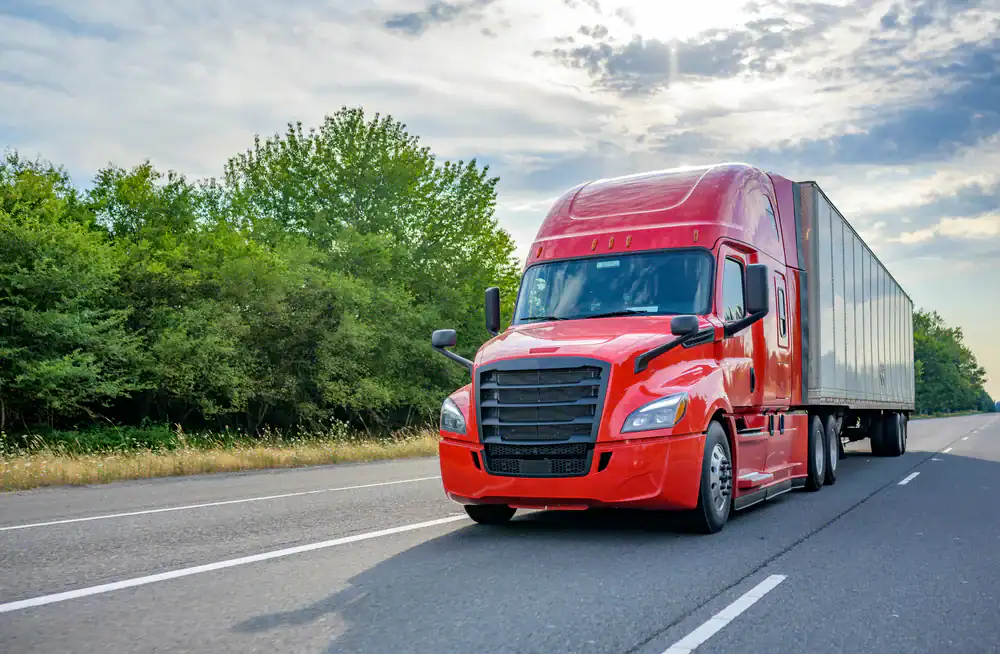
Mobile CARB compliance testing eliminates the need to drive trucks to testing facilities, reducing costly downtime while meeting California's Clean Truck Check requirements for 2013+ model year trucks

Mobile CARB compliance testing brings CARB-credentialed testers and certified equipment directly to your trucks. Instead of pulling vehicles off their routes to visit a shop, the testing happens wherever your trucks are parked.
The service covers the same OBD emissions testing required under California’s Heavy-Duty Inspection and Maintenance program. We use CARB-certified devices to scan your truck’s onboard diagnostics, check for fault codes, and verify emissions control systems are functioning properly. Results get uploaded directly to CARB’s CTC-VIS database, and you receive digital certificates the same day.
For trucks with 2013 or newer model year engines, this OBD testing is what CARB requires every six months. The testing itself takes about 15 to 30 minutes per vehicle. What you’re really saving is all the time around it—no driving to a facility, no waiting in queues, no coordinating multiple trips for a fleet.
The process starts with scheduling. You arrange a time that works around your operations, whether that’s during a shift change, on a weekend, or when trucks are back at your yard between routes. We coordinate with your schedule, not the other way around.
On testing day, our credentialed tester arrives with all necessary equipment. For 2013 and newer diesel engines, we perform an OBD scan using a CARB-certified testing device. This scan pulls data from your truck’s engine computer to verify emissions control systems are working correctly. We check for diagnostic trouble codes, monitor readiness, and ensure the vehicle meets California’s emissions standards.
If you’re managing a fleet, multiple trucks can be tested during the same visit. This is where mobile testing really shows its value. Instead of sending trucks one by one to a shop over several days or weeks, you can knock out compliance testing for your entire fleet in a single appointment. We move from truck to truck, completing tests efficiently while your vehicles stay put.
After each test, results are immediately submitted to CARB’s Clean Truck Check database. You get a compliance certificate that proves your truck passed testing. Keep this certificate in the vehicle—you’ll need it if you’re stopped for a roadside inspection or entering port terminals at Los Angeles or Long Beach. The certificate also prevents DMV registration holds when it’s time to renew your registration.
One important note: this service applies specifically to trucks that are model year 2013 or newer with a GVWR over 14,000 pounds. Older trucks or lighter vehicles have different testing requirements. We focus on the OBD testing that newer heavy-duty trucks need under California’s Clean Truck Check program.
The entire process is designed to minimize disruption. You’re not losing a day of revenue per truck. You’re not coordinating driver schedules to get vehicles to a shop. You’re not dealing with the uncertainty of when a shop will have availability. Testing comes to you, gets done quickly, and your trucks go back to doing what they’re supposed to do—earning money on the road.
Downtime is expensive. Industry data shows the average cost of vehicle downtime runs between $448 and $760 per day per truck. That’s lost revenue, driver wages while the truck sits idle, and potential penalties for missed deliveries. For a fleet of ten trucks, even one extra day of monthly downtime per vehicle adds up to more than $90,000 in annual losses.
Traditional emissions testing requires you to pull trucks off revenue-generating work. You schedule time at a testing facility, coordinate a driver to take the truck there, and wait for the test to be completed. If the truck fails, you’re doing it all over again after repairs. Each trip eats into your operational efficiency.
Mobile emissions testing eliminates that entire problem. Your trucks stay at your facility. Testing happens during downtime you’d already planned—overnight, between shifts, or on weekends. You’re not creating additional downtime; you’re using time that was already non-productive. That’s the difference between losing money and simply maintaining your schedule.
For fleet operators in Los Angeles County, CA and Riverside County, CA, this matters even more. You’re operating in some of the busiest freight corridors in the country. The Ports of Los Angeles and Long Beach handle over 40 percent of U.S. inbound containers. Inland Empire warehouses and distribution centers run tight schedules. When you’re moving freight through this system, every hour counts.
On-site testing also solves the logistics problem of managing multiple vehicles. If you have twenty trucks that need testing, coordinating twenty separate shop visits is a nightmare. You’re juggling schedules, dealing with different testing facilities, tracking which trucks are compliant and which aren’t, and hoping nothing falls through the cracks. Mobile testing consolidates all of that into one or two appointments. Your entire fleet gets tested, results get submitted to CARB’s database, and you have documentation for all your vehicles.
There’s also the practical reality of California’s compliance requirements. CARB’s Clean Truck Check program requires semi-annual testing for trucks with 2013 or newer engines. That frequency is increasing to quarterly testing by October 2027. If you’re managing compliance the old way—driving trucks to shops—you’re going to spend more and more time on this as requirements tighten. Mobile testing gives you a scalable solution that doesn’t get more complicated as testing frequency increases.
Port access is another consideration. The Ports of Los Angeles and Long Beach, along with major warehouse facilities, verify Clean Truck Check compliance before allowing trucks through their gates. If your truck isn’t compliant, it gets turned away. That means missed deliveries, unhappy customers, and potential loss of contracts with shippers who track carrier performance. On-site mobile testing ensures your trucks maintain the compliance certificates needed for port and terminal access.
The bottom line is simple: mobile CARB compliance testing protects your revenue. You’re not paying for convenience as a luxury—you’re investing in a service that prevents costly downtime, keeps your trucks legally operational, and simplifies compliance management across your fleet.

Managing compliance deadlines across a fleet is more complicated than it looks. Each truck has its own testing deadline based on its DMV registration expiration date. For California-registered vehicles, Clean Truck Check testing is due every six months from that date. If you’re running fifteen trucks with registrations spread throughout the year, you’re tracking thirty compliance deadlines annually.
Miss a deadline, and CARB can place a registration hold on that vehicle. The California DMV won’t process your registration renewal until you’re compliant. You also face potential fines up to $10,000 per vehicle per day for non-compliance, and enforcement actions if your truck is flagged during roadside monitoring. Mobile fleet emissions testing helps you stay ahead of these deadlines by making testing accessible whenever you need it.
The biggest advantage of mobile testing for fleets is the ability to test multiple vehicles in one appointment. Instead of scheduling individual shop visits over weeks, you consolidate testing into a single day or two. This reduces the administrative burden on your team and minimizes the total time your fleet spends on compliance activities.
Here’s what that looks like in practice. You have a fleet of commercial trucks operating out of a yard in Riverside County, CA. Testing deadlines are coming up for eight of your vehicles. With traditional testing, you’d need to coordinate eight separate trips to a facility, manage driver schedules, and deal with potential wait times at each visit. That’s eight opportunities for something to go wrong—a truck breaks down on the way, the shop is backed up, a test fails and you need to reschedule.
With mobile testing, you schedule one appointment. We arrive at your yard with all necessary equipment. We move through your fleet systematically, testing each truck in sequence. The entire process might take a few hours, but your trucks never leave your facility. You’re not losing days of productivity—you’re losing a few hours that you can schedule during non-peak times.
This approach also helps with failed tests. If a truck doesn’t pass, you know immediately while we’re still on-site. You can assess the issue, coordinate repairs, and schedule a retest without the added complexity of arranging another shop visit. Some operators even coordinate with their maintenance teams to have them available during testing, so if an issue comes up, it can be addressed right away.
Fleet-wide mobile testing also creates consistency in your compliance documentation. All your trucks get tested by the same credentialed tester using the same equipment and procedures. Results are submitted to CARB’s database in a uniform way. When you need to pull compliance records—for an audit, a customer inquiry, or your own tracking—everything is organized and accessible.
For fleet operators managing trucks across multiple locations, mobile testing offers even more value. If you have trucks based in different yards or depots across Los Angeles County, CA and Riverside County, CA, we can come to each location. You’re not trying to centralize your fleet at one facility for testing. The service adapts to your operational footprint.
The time savings compound when you consider the full compliance cycle. CARB allows you to submit passing test results up to 90 days before your compliance deadline. This gives you a window to plan testing strategically. You can batch trucks with similar deadlines together, schedule testing during slower periods, and avoid the last-minute scramble that leads to missed deadlines and registration holds. Mobile testing makes it easier to take advantage of this 90-day window because you’re not constrained by shop availability—you schedule when it makes sense for your operations.
California’s Clean Truck Check program applies to nearly all diesel and alternative fuel heavy-duty vehicles with a GVWR over 14,000 pounds that operate on California public roads. This includes both in-state and out-of-state trucks. If your truck operates in California, it needs to comply, regardless of where it’s registered.
For trucks with 2013 or newer diesel engines, the requirement is OBD emissions testing. This involves scanning the truck’s onboard diagnostic system using a CARB-certified testing device. The scan checks for diagnostic trouble codes, verifies emissions control systems are functioning, and ensures the vehicle meets California’s emissions standards. This is the testing method we provide.
Testing must be performed by a CARB-credentialed tester. These testers have completed CARB’s official training course and passed the accompanying exam. Their credentials must be renewed every two years. When you use a mobile testing service, verify that the testers are properly credentialed—this ensures your test results will be accepted by CARB and properly recorded in the CTC-VIS database.
The testing frequency is currently semi-annual for trucks with 2013 or newer engines. That means twice a year. Starting in October 2027, testing frequency increases to four times per year for OBD-equipped vehicles. This is important to understand when planning your long-term compliance strategy. The testing burden is increasing, which makes efficient testing methods even more valuable.
Each vehicle subject to Clean Truck Check must be reported in CARB’s CTC-VIS system. You also need to pay an annual compliance fee—currently $31.18 per vehicle as of 2025. This fee is separate from the testing itself. Payments must be made through the CTC-VIS system by your vehicle’s compliance deadline. Failure to register your vehicle and pay the fee can result in registration holds, even if you’ve completed emissions testing.
When your truck passes testing, you receive a compliance certificate. This certificate must be kept in the vehicle. You’ll need to show it during roadside inspections, when entering port terminals, and potentially when picking up or delivering loads at certain facilities. The certificate proves your truck is compliant with California’s emissions requirements.
If your truck fails testing, you have options. We provide a detailed report showing what caused the failure—typically a fault code or emissions control system issue. You can make repairs and retest. CARB allows you to submit passing test results up to 90 days before your compliance deadline, which gives you time to address any issues without risking non-compliance.
One critical point: these requirements apply specifically to trucks that are model year 2013 or newer with a GVWR over 14,000 pounds. Older trucks have different requirements under CARB’s Truck and Bus Regulation, which focuses on engine model year upgrades and particulate matter filters. If you’re operating older equipment, you’ll need to understand those separate requirements. We focus on the OBD testing that newer trucks need.
For fleet operators, understanding these requirements is essential for budgeting and planning. You need to factor in testing costs, compliance fees, and the time required to keep your fleet compliant. Mobile testing helps manage the time component by reducing downtime, but you still need to plan for the recurring nature of these requirements. With testing frequency increasing to quarterly by 2027, having an efficient testing process becomes even more important.