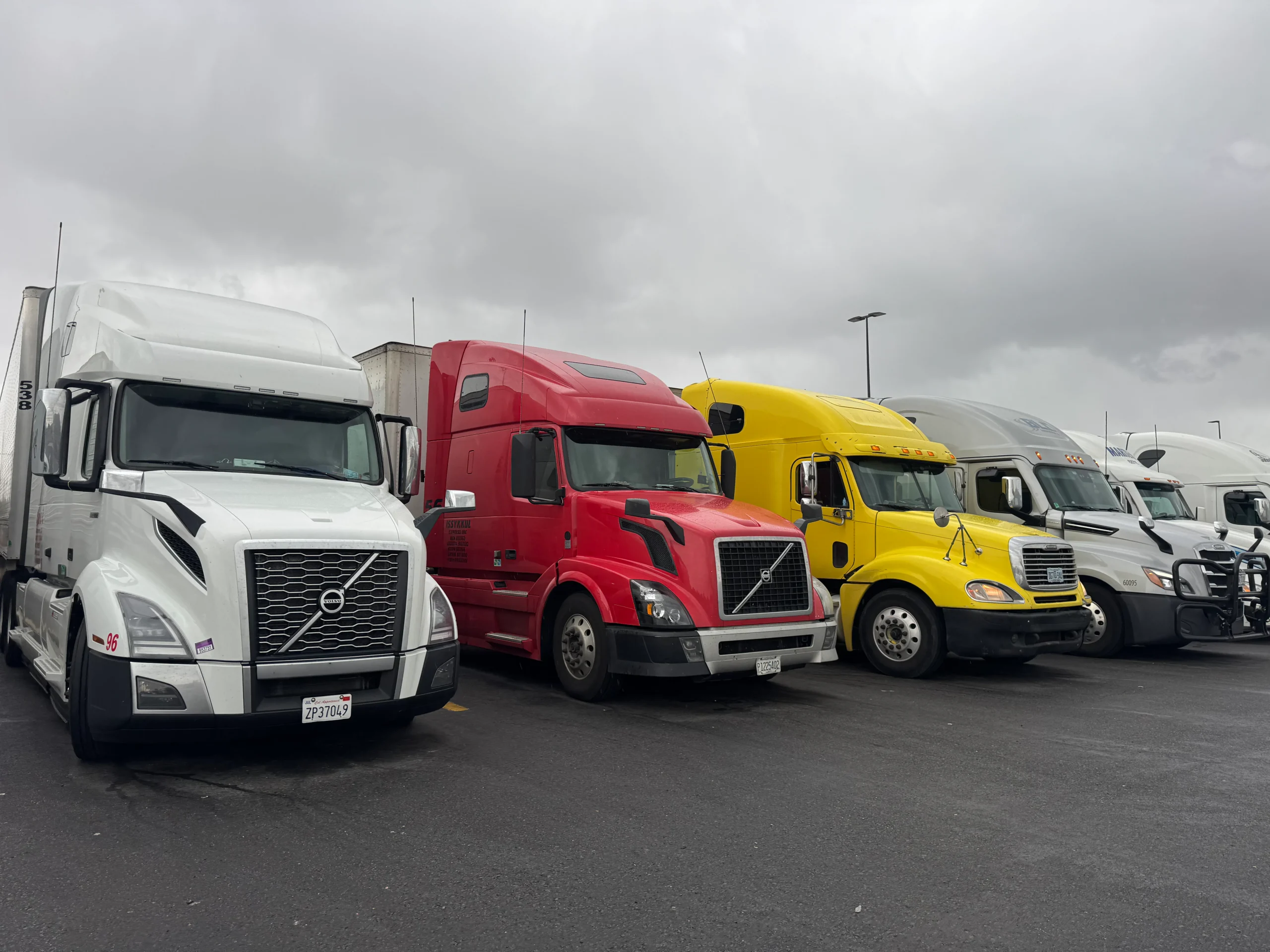
Standard shop hours don't work for every fleet schedule. Discover how flexible emissions testing services, including weekend and after-hours options, help truck operators stay compliant without downtime.
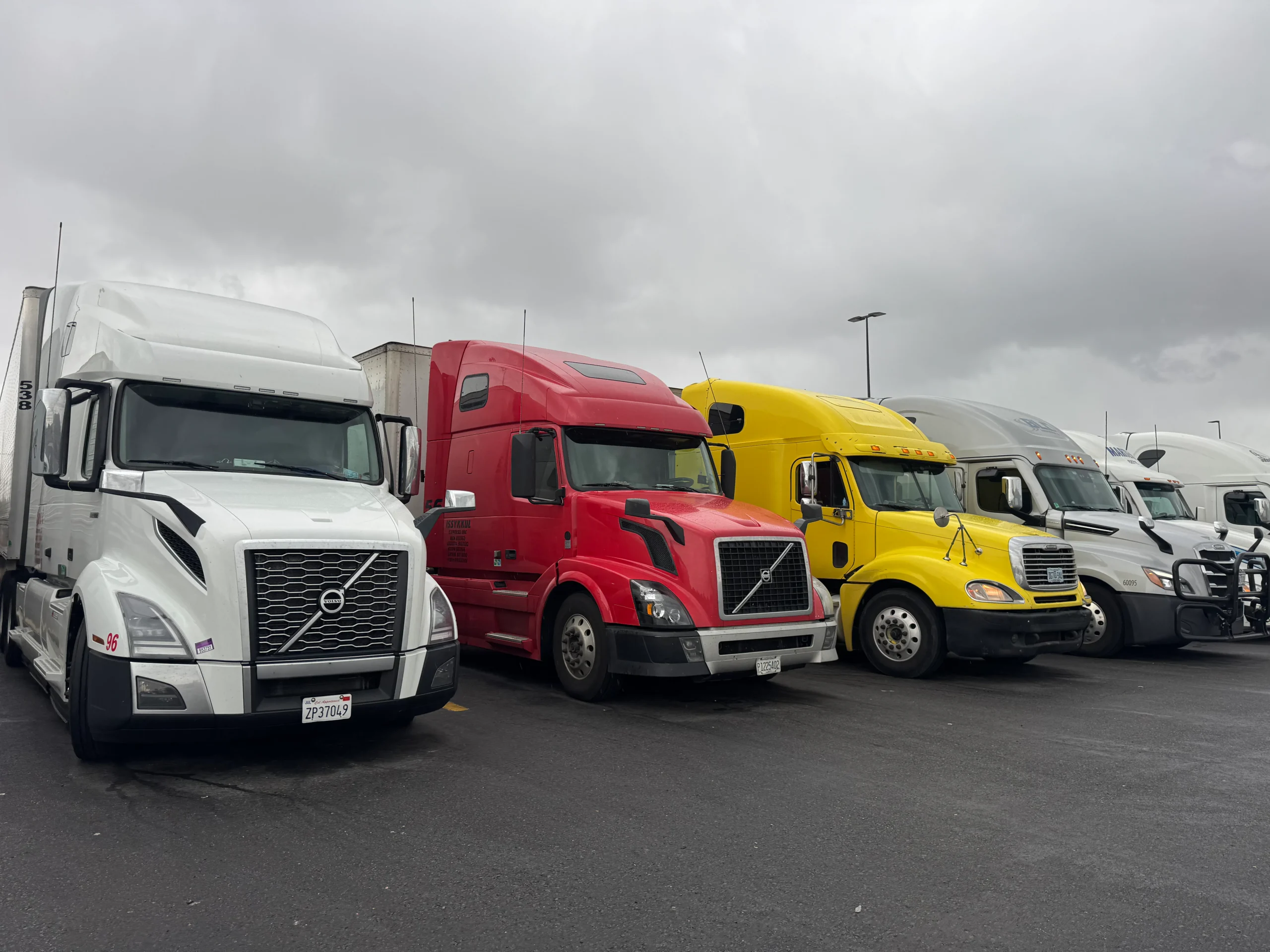
Your trucks don’t clock out at 5 PM. So why should your emissions testing options?
If you operate heavy-duty trucks in Los Angeles County or Riverside County, you already know the Clean Truck Check isn’t optional. What you might not know is that you have choices beyond the Monday-through-Friday, 9-to-5 testing model. Weekend emissions testing services and flexible scheduling exist because fleet operations don’t pause for standard business hours. The question isn’t whether you need compliance—it’s how you get it without sacrificing productivity. Let’s talk about what actually works when your schedule doesn’t fit the mold.
California’s Clean Truck Check program requires diesel and alternative fuel trucks over 14,000 lbs GVWR to undergo emissions compliance testing twice a year. By October 2027, that frequency jumps to four times annually for OBD-equipped vehicles. Miss a deadline, and you’re looking at registration holds and fines that can hit $10,000 per vehicle per day.
The testing itself is straightforward for 2013 and newer trucks. A CARB-credentialed tester connects to your vehicle’s OBD port, downloads emissions data from the engine computer in about 15 minutes, and submits results electronically to the CTC-VIS database. You get compliance confirmation, CARB gets the data, and your truck stays legal.
The problem isn’t the test. It’s finding time to get it done when your trucks are supposed to be working. Traditional testing facilities operate during business hours—the same hours your fleet generates revenue. That’s where emissions testing services diverge in their approach, and where your choice of provider starts to matter.
Most brick-and-mortar emissions testing stations follow a predictable schedule. Monday through Friday, 8 AM to 5 PM or 6 PM. Some extend to Saturday mornings. A few offer limited weekend hours, but availability shrinks fast.
For trucks running daytime routes, this creates a direct conflict. You either pull a truck off its schedule during peak hours—losing productivity and potentially missing deliveries—or you try to squeeze testing into narrow windows that don’t align with operational needs. If you run night shifts, weekend operations, or irregular schedules, the mismatch gets worse.
There’s also the logistics problem. You have to drive the truck to the testing location, wait for your turn if they’re busy, complete the test, and drive back. Even with a 15-minute test, you’re looking at an hour or more of total downtime per vehicle. Multiply that across a fleet, and you’re talking about significant lost time.
Then there’s the scheduling rigidity. Many facilities require appointments booked days in advance. If you have an urgent compliance deadline or a truck that just came back from repair and needs immediate retesting, you’re at the mercy of their calendar. Emergency situations don’t always respect business hours, but traditional testing facilities rarely accommodate that reality.
The model works fine for passenger vehicles and light-duty trucks with flexible schedules. For commercial fleets operating on tight margins and demanding delivery windows, it’s a square peg in a round hole. The testing requirement doesn’t change, but the way you access emissions testing services absolutely can.
Here’s what changes when testing comes to you on your schedule: everything. Weekend emissions testing services flip the traditional model. Instead of conforming your operations to a testing facility’s schedule, the service conforms to yours.
We bring CARB-certified equipment directly to your trucks, whether that’s at your yard, a job site, or wherever your vehicles are parked. The scheduling flexibility extends beyond just weekends. Evening appointments, early morning slots, and even emergency after-hours testing become possible when you’re working with a provider who understands that compliance deadlines don’t pause for nights and weekends.
If your truck is due for testing on a Monday but you need it working all week, a Saturday or Sunday appointment keeps you compliant without disrupting revenue-generating operations. This matters especially for fleets with mixed schedules. Maybe some trucks run Monday through Friday while others operate weekends. Maybe you have seasonal spikes that make certain times of year impossible for downtime. Mobile testing with flexible hours lets you stagger compliance across your fleet in a way that minimizes operational impact.
There’s also the practical advantage for owner-operators or smaller fleets. You don’t have to coordinate multiple trucks to a single location during business hours. We can come to you on a Saturday morning, test multiple vehicles back-to-back, and you’re done. No lost workdays, no juggling schedules, no choosing between compliance and paychecks.
The key difference is responsiveness. When you contact us, you’re talking directly to the person who will perform your test or the owner who controls the calendar. That means faster turnaround on appointments, clearer communication about availability, and the ability to accommodate urgent needs that don’t fit a rigid Monday-Friday framework.
CARB doesn’t care when you test—they care that you test on time and with proper credentials. Weekend and after-hours emissions testing services meet the exact same compliance standards as traditional facilities. The equipment is identical, the testers hold the same CARB credentials, and the results submit to the same CTC-VIS database. The only thing that changes is when and where it happens.
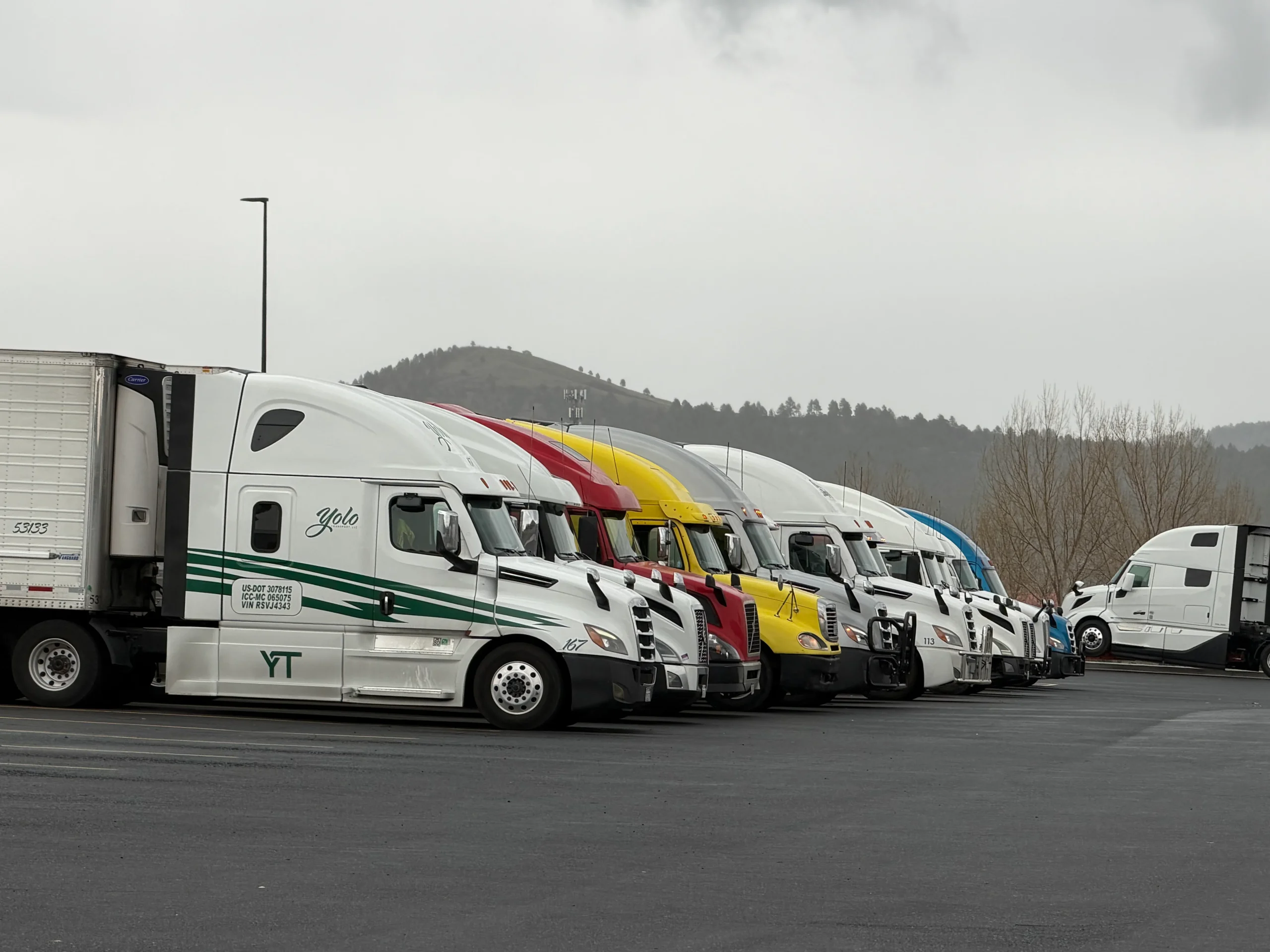
Mobile emissions testing services eliminate the single biggest friction point in compliance: getting your truck to the test. When the tester comes to you, the entire equation changes. Your truck stays where it needs to be, your schedule stays intact, and you’re not burning fuel or driver hours on non-productive trips.
For fleets, this scales dramatically. Instead of sending 10 trucks to a testing facility over several days, you schedule us to come to your yard for a few hours and knock out the entire fleet. We can typically handle 15 to 40 inspections per day depending on vehicle complexity and site logistics. You’re looking at concentrated compliance instead of drawn-out disruption.
The time savings are measurable. A 15-minute OBD test performed on-site means 15 minutes of downtime, not the hour-plus you’d spend driving to and from a facility. Multiply that across every truck in your fleet, twice a year minimum, and you’re recovering significant operational hours. Those hours translate directly to revenue, especially if you’re running time-sensitive freight or operating on tight margins.
When you call a large testing facility, you’re usually navigating phone trees, leaving messages, or dealing with front-desk staff who don’t control the schedule. When you contact us, you’re talking to the person who will actually show up with the equipment. That difference matters more than it might seem.
Direct owner contact means faster response times. You’re not waiting for callbacks or playing tag through multiple departments. You reach out, get a real person who knows our availability, and lock in an appointment that works for both of you. If something changes—a truck breaks down, a delivery runs late, weather delays your schedule—you’re communicating with someone who can adjust on the fly.
This responsiveness extends to emergency situations. If you discover a compliance deadline is closer than you thought, or if a truck fails a test and needs immediate retesting after repairs, having direct access to us can be the difference between meeting the deadline and facing penalties. Traditional facilities might tell you their next available slot is next week. We might be able to fit you in that evening or over the weekend.
The communication style is also more straightforward. We understand the trucking business because we work in it every day. We know what “I need this done Saturday morning before my driver picks up a load” means. We’re not reading from a script or checking corporate policy—we’re solving your problem directly.
For smaller operators and owner-operators especially, this personal service model reduces stress. You’re not just another ticket number in a queue. We recognize your truck, remember your schedule, and treat your compliance needs as a partnership rather than a transaction. That kind of relationship makes ongoing compliance—which you’ll be dealing with twice a year minimum—significantly less painful.
The flip side is accountability. When our name and reputation are directly on the line, service quality reflects that. If something goes wrong or results don’t submit correctly, you’re talking to the person responsible for fixing it, not navigating a customer service department. Problems get resolved faster because there’s no bureaucracy in the way.
CARB allows passing emissions tests to be submitted up to 90 days before your compliance deadline. This is one of the most underutilized advantages in the entire Clean Truck Check program, and it’s where flexible scheduling really pays off.
If your deadline is February 1st, you can test as early as November 3rd. That three-month window gives you enormous flexibility to schedule around your operational peaks and valleys. If you know December is your busiest month, you test in November. If winter weather makes February unpredictable, you test in January. If you just want it done and off your mind, you test the day you’re eligible.
The early window also protects you against failures. If a truck fails the test, you have time to make repairs and retest before the deadline hits. Waiting until the last minute means a failure can trigger registration holds, fines, and trucks sitting idle while you scramble for repairs. Testing early turns a potential crisis into a manageable maintenance issue.
Mobile emissions testing services with weekend and after-hours availability make early testing practical. You don’t have to sacrifice peak operational days to get ahead of compliance. You schedule a Saturday morning test in November, pass, and you’re clear until the next cycle. Your trucks keep working through your busy season without compliance hanging over your head.
This also helps with fleet management. Instead of testing all your trucks in a mad rush right before deadlines, you can stagger testing across the 90-day window based on vehicle schedules, maintenance cycles, and operational needs. Some trucks test early, some mid-window, some closer to the deadline—whatever minimizes disruption for each vehicle’s specific situation.
The psychological benefit is real too. Knowing you’re compliant months ahead of the deadline reduces stress. You’re not watching the calendar nervously, hoping you can squeeze in an appointment before penalties kick in. You’ve already handled it, and you can focus on running your business instead of managing compliance anxiety.
For providers offering flexible scheduling, early testing is easier to accommodate because we’re not slammed with last-minute requests from operators who waited until the deadline approached. You get better availability, more scheduling options, and less pressure on both sides. It’s a win-win that only works if you have access to testing when it fits your schedule, not just when a facility has openings.