
Weekend and after-hours emissions testing services offer flexibility that traditional shop schedules can't match—especially when your trucks need to stay on the road during business hours.
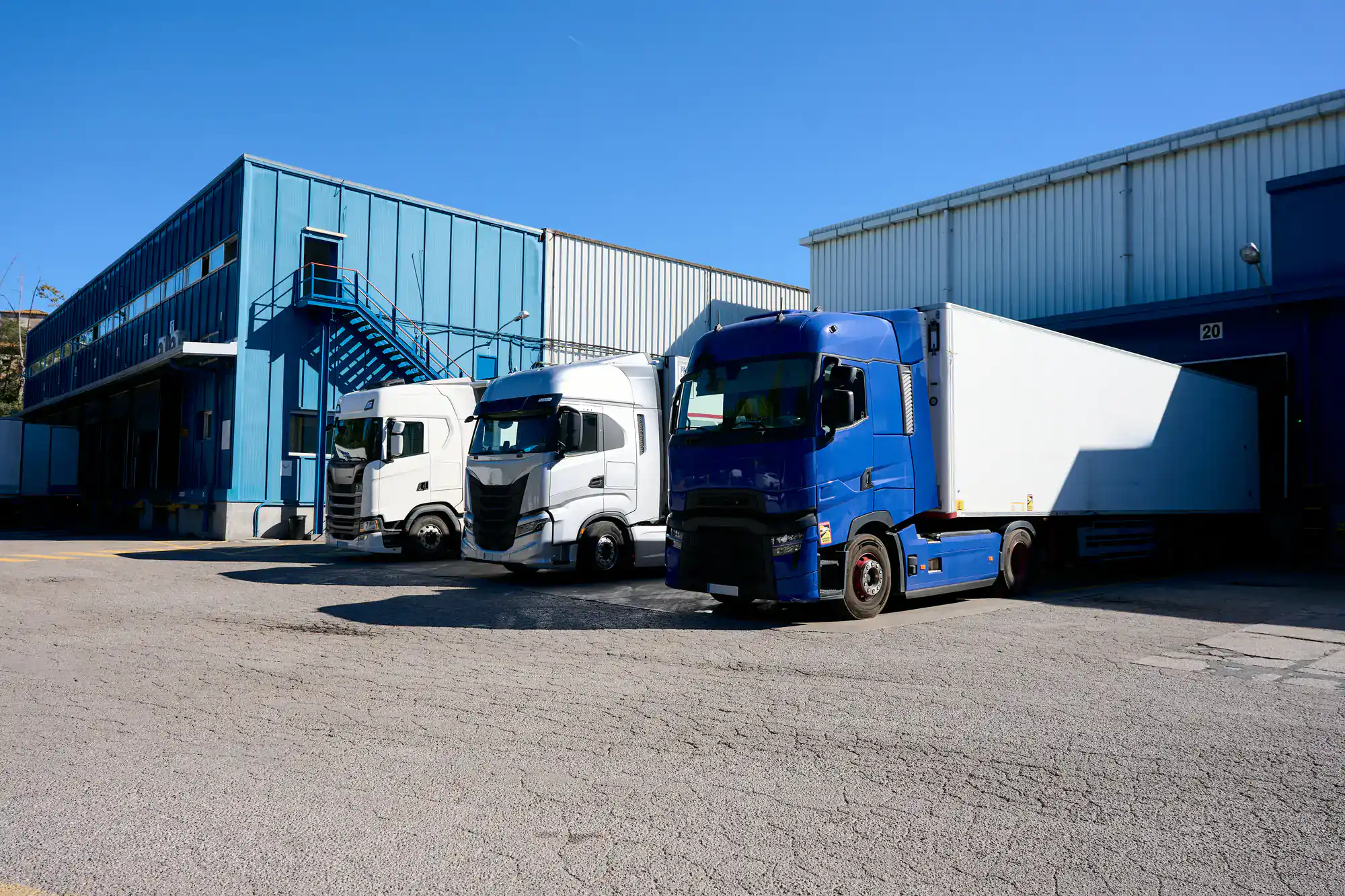
Your truck needs a Clean Truck Check. Your deadline’s coming up. And the testing facility you called? They’re open Monday through Friday, 8 to 5, maybe Saturday morning if you’re lucky.
That’s exactly when your trucks are supposed to be working. You’re not looking for excuses or workarounds. You need emissions testing services that actually fit your operation, not the other way around. Here’s what the difference between weekend availability, after-hours testing, and standard shop hours really means for your schedule and your bottom line.
Most brick-and-mortar emissions testing facilities in Los Angeles County operate on a predictable schedule. Monday through Friday, 8am to 5pm. Some locations offer Saturday hours, usually 8am to 1pm. A handful stay open until 6pm on weekdays.
That sounds reasonable until you realize those are the exact hours your trucks need to be on the road. If you’re running deliveries, hauling freight, or managing a fleet that operates during business hours, pulling a truck off the schedule for emissions testing services means lost revenue. It also means coordinating driver availability, arranging transportation to the facility, and waiting in line with everyone else who’s trying to squeeze testing into the same narrow window.
For owner-operators, it’s even tighter. You’re the driver and the scheduler. Taking your truck to a testing facility during the day means you’re not working.
Testing facilities that operate standard business hours create predictable bottlenecks. Monday mornings are packed. The last few days of the month are chaos. Saturdays see a rush of people trying to avoid weekday downtime.
When everyone’s trying to test at the same time, wait times stretch. What should be a 15-minute OBD emissions test turns into an hour or more once you factor in drive time, waiting, and getting back to your yard or route. Multiply that by a fleet of 10, 20, or 30 trucks, and you’re looking at serious operational disruption.
The other issue is appointment availability. Some facilities require appointments. Others are walk-in only. If you need to test multiple trucks, you’re either booking separate time slots days apart or bringing them in one at a time, which drags the process out over weeks.
And if your compliance deadline falls on a weekend or holiday? You’re out of luck. Most testing locations are closed Sundays. Some close for holidays. If your deadline is tight and the calendar doesn’t cooperate, you’re scrambling.
This isn’t a minor inconvenience. CARB’s Clean Truck Check program requires semi-annual testing for heavy-duty trucks over 14,000 lbs GVWR. Miss your deadline, and you’re facing DMV registration holds and fines up to $10,000 per vehicle per day. The pressure is real. Standard shop hours don’t make it easier.
If your trucks operate during the day, standard shop hours force a choice. Pull a truck off the road and lose revenue, or risk missing your compliance deadline and face penalties.
For fleets running tight schedules, this creates a domino effect. One truck out for testing means delayed deliveries, rescheduled routes, or bringing in a backup vehicle if you have one. If you don’t, you’re just short a truck for the day. That impacts your ability to serve customers, meet deadlines, and keep revenue flowing.
Owner-operators feel it even more. If you’re the only driver, taking your truck in for emissions testing services means you’re not earning. You’re paying for fuel to drive to the facility, paying for the test, and losing whatever you would have made that day. It adds up fast.
The other problem is last-minute situations. Maybe you forgot a deadline. Maybe a truck that was supposed to pass didn’t, and now you need a retest. Maybe you just bought a used truck and need compliance before you can register it. If it’s Friday afternoon and you realize you need testing, your options are limited. Most facilities won’t fit you in. You’re waiting until Monday, or scrambling to find someone who can help over the weekend.
This is where weekend emissions testing services and after-hours availability make a real difference. If you can test when your trucks aren’t scheduled to work, you’re not choosing between compliance and revenue. You’re handling both.

Weekend emissions testing services operate outside the standard Monday-to-Friday schedule. Some facilities offer Saturday hours, though those are often limited to morning or early afternoon. True after-hours testing—evenings and Sundays—is less common but available through mobile providers and specialized services.
The advantage is straightforward. If your trucks run Monday through Friday, testing them on Saturday evening or Sunday means zero impact on your weekday operations. If you run a 24/7 operation, after-hours testing lets you schedule around shift changes or downtime instead of pulling trucks mid-route.
Mobile emissions testing services take this further. Instead of driving to a facility, we come to your yard, warehouse, or job site. You schedule a time that works for your operation. We show up with CARB-certified equipment. Your trucks get tested on-site. Results are submitted electronically to the CTC-VIS database immediately after testing.
Mobile emissions testing eliminates the logistics problem entirely. You’re not coordinating drivers to take trucks to a facility. You’re not losing vehicles from your fleet for half a day. You’re not dealing with wait times or appointment availability.
We come to you. If you have 10 trucks that need testing, we can handle them back-to-back at your location. OBD emissions testing for 2013 and newer trucks takes about 10-15 minutes per vehicle. We can process 15 to 40 trucks in a day depending on the fleet size and scheduling.
For fleets, this is a massive time saver. Instead of pulling trucks off the road one at a time over several weeks, you schedule a single session and knock out all your testing in one shot. If you need after-hours or weekend availability, we offer that flexibility because we’re not tied to a physical facility’s operating hours.
The other benefit is location flexibility. If your trucks are parked at a yard in Los Angeles County, CA, we come there. If you’re operating out of Riverside County, CA, same deal. You’re not limited to facilities near your location or forced to drive across town.
Emergency situations also get easier. If you have a truck that needs urgent testing to avoid a compliance deadline or registration hold, our mobile service with after-hours availability can often respond same-day or next-day. Traditional facilities with standard hours can’t offer that.
And because we submit results electronically to CARB’s CTC-VIS system right after testing, your compliance status updates quickly. You’re not waiting for paperwork to process or wondering if the results went through. You get confirmation. You’re done.
Cost is always a factor. Standard emissions testing at a brick-and-mortar facility typically runs between $50 and $100 per vehicle, depending on the provider and location. Mobile emissions testing services are often in a similar range, though some charge a travel fee or offer discounts for multi-vehicle fleet testing.
The real cost comparison isn’t just the testing fee. It’s the total impact on your operation. If pulling a truck off the road for testing costs you $200 in lost revenue, plus fuel to drive to the facility, plus the test fee, you’re looking at $250 to $300 per truck. If you have 20 trucks, that’s $5,000 to $6,000 in total cost.
Mobile testing with weekend or after-hours availability cuts that down. You’re not losing revenue because trucks aren’t off the road during working hours. You’re not paying for fuel to drive to a facility. You’re paying for the test. That’s it. The convenience factor alone makes it worth comparing.
The other consideration is time. Standard shop hours mean you’re working around someone else’s schedule. If they’re booked out two weeks, you wait. If they close at 5pm and you don’t get off work until 6pm, you’re out of luck. Weekend and after-hours services give you control over when testing happens, which matters when you’re managing compliance deadlines and operational demands at the same time.
For owner-operators, the math is even simpler. If you can test your truck on a Sunday instead of taking a day off work, you’re not losing income. That’s the difference between paying for testing and paying for testing plus a day’s lost earnings.
Fleet managers dealing with multiple vehicles see the efficiency gain. Coordinating 15 trucks to visit a testing facility over several days is a logistical headache. Scheduling a mobile tester to come to your yard on a Saturday and handle everything in one session is clean, efficient, and doesn’t disrupt your week.