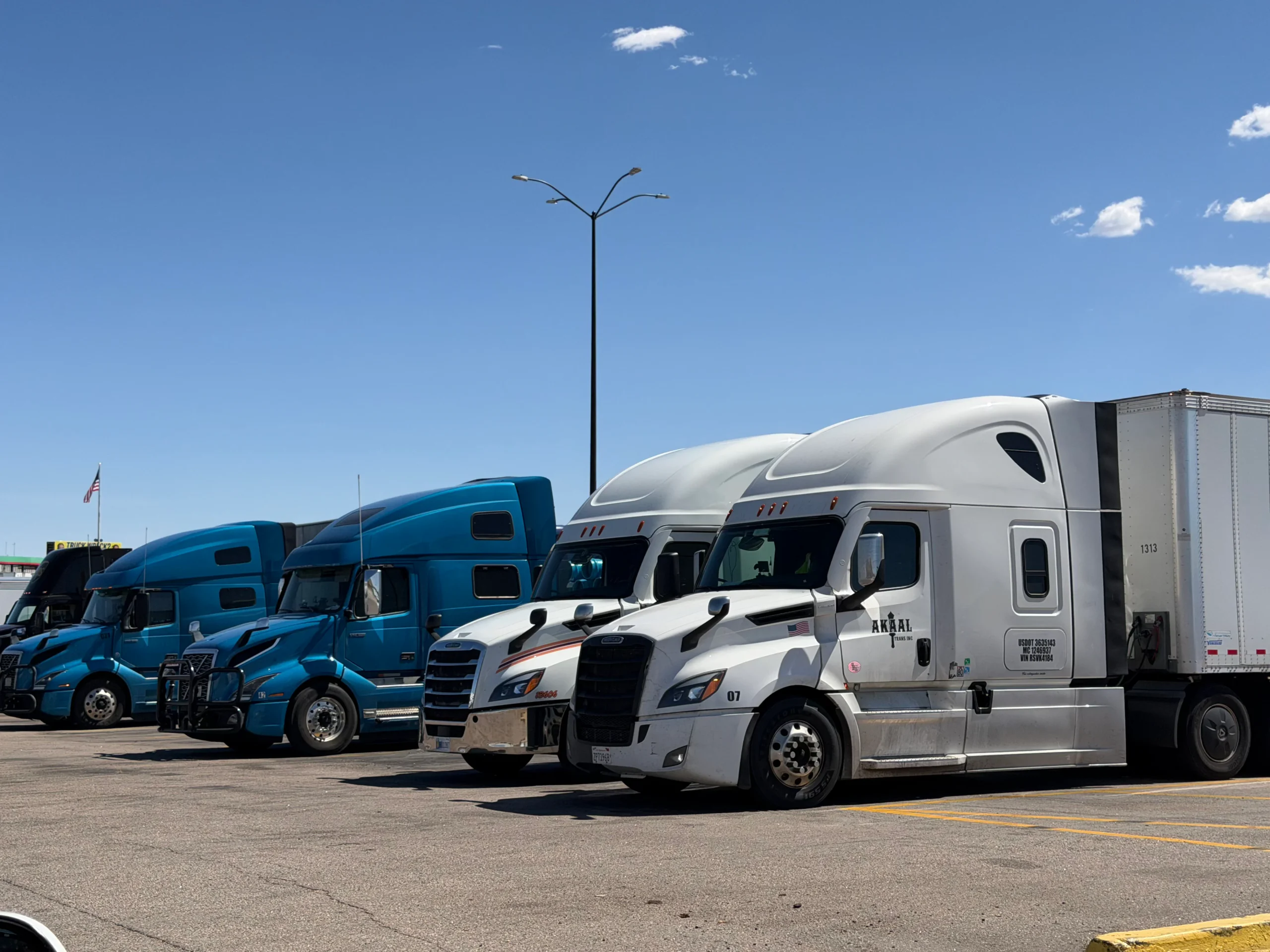
When your vehicle fails an emissions test in California, registration blocks and legal consequences follow immediately. Understanding what went wrong and your required next steps makes the difference between quick resolution and expensive delays.

Your truck just failed emissions testing in Los Angeles County, CA. The technician handed you a Vehicle Inspection Report with diagnostic codes and monitor statuses you don’t fully understand, and now you’re staring at a registration deadline wondering what happens next. Can you still drive legally? How long do you have to fix whatever went wrong? What if your registration expires before you can retest?
When your vehicle failed emissions test in California, you’re not just dealing with an inconvenience. You’re facing legal requirements that directly affect your ability to operate, renew registration, and avoid citations. The good news? Most emissions test failures are fixable once you understand what triggered the failure and what California law requires you to do. Let’s walk through exactly what happens after your vehicle failed emissions test and the steps that get you back on the road legally.
The testing station hands you a Vehicle Inspection Report the moment your vehicle failed emissions test. This isn’t just a simple fail stamp. It’s a detailed breakdown showing exactly why your vehicle didn’t pass—emissions levels, readiness monitor statuses, and specific system failures the testing equipment detected.
Your registration renewal stops immediately. California DMV won’t process your renewal until you submit proof of a passing emissions test. If your registration is already expired or approaching expiration, the clock is ticking. California doesn’t extend deadlines because your vehicle failed emissions test—the expiration date stays fixed whether you pass or fail.
You can still drive your vehicle if your current registration hasn’t expired. But once that expiration date hits, driving becomes illegal. Law enforcement in Los Angeles County can cite you for operating with expired registration, and those citations carry fines and potential impound in some situations.
One of the most frustrating ways your vehicle failed emissions test has nothing to do with actual pollution coming from your exhaust. Readiness monitors are self-diagnostic tests your vehicle’s computer runs to verify emissions control systems work correctly. When these monitors show “not ready” or “incomplete” status, your vehicle failed emissions test—even if your exhaust is clean and no check engine light is illuminated.
California requires all emission monitors to show “ready” status for vehicles from 2000 and newer before you can pass. The only exception is the EVAP monitor, which can remain incomplete without causing failure. But if your catalytic converter monitor, oxygen sensor monitor, or any other emissions system shows incomplete, you’re getting a failed result on the spot.
Readiness fail emissions situations happen most often after battery disconnections, recent repairs, or when your vehicle hasn’t been driven enough for the monitors to complete their diagnostic cycles. Each monitor requires specific driving conditions—highway speeds, city driving, cold starts, particular temperature ranges—before it finishes its self-test. Just driving around your neighborhood won’t complete the cycles. You need varied driving conditions over multiple trips for the computer to finish all its checks and set monitors to ready status.
Some vehicles are notoriously difficult when it comes to readiness monitors. Older OBD-II systems from the late 1990s and early 2000s can take hundreds of miles of specific driving patterns before all monitors complete successfully. If you’re dealing with readiness fail emissions, you’re not looking at a mechanical repair that a shop can fix in an afternoon. You’re looking at drive cycle requirements that take time, specific conditions, and patience.
The testing technician should explain which monitors aren’t ready when your vehicle failed emissions test, but they can’t force your vehicle’s computer to complete the cycles faster. You’ll need to drive the vehicle under the right conditions, then return for retesting once the monitors show ready. There’s no shortcut here. Clearing codes without completing proper drive cycles just resets everything back to square one, and you’ll fail again when you retest.
California law is straightforward: no passing emissions certificate means no registration renewal. Period. The DMV places a hold on your registration the moment your vehicle failed emissions test, and that hold stays until you submit proof of passing. This isn’t negotiable, and it doesn’t matter if you missed the limit by one point or if you think the test was conducted unfairly. The hold remains until you pass.
You have 90 days from the date of a passing emissions test to complete your registration renewal in California. That means if you pass your retest today, you’ve got three months to finalize everything with DMV. But that 90-day window only starts after you pass—it doesn’t give you extra time to fix your vehicle after your vehicle failed emissions test initially.
If your registration expires before you pass your retest, you’re in a legally precarious position. You cannot legally drive the vehicle on public roads in Los Angeles County or anywhere in California with expired registration. Getting caught means citations, fines, and potential vehicle towing. Some drivers risk it anyway, figuring they won’t get stopped. One traffic stop can cost you hundreds in fines plus impound fees if law enforcement tows your vehicle.
California doesn’t offer extensions or grace periods when your vehicle failed emissions test. Your registration expiration date is set in stone, and failing a test doesn’t push it back or buy you more time. If you’re cutting it close to your expiration date when you first test, you’re gambling with very little margin for error. Any failure means you need repairs and a successful retest before that expiration date hits, or you’re driving illegally the moment your registration expires.
For commercial vehicles and heavy-duty trucks operating in Los Angeles County, the consequences escalate dramatically. CARB enforcement can issue violations with penalties reaching $10,000 per vehicle per day for operating without proper emissions compliance. That’s not a typo—per day, per vehicle. A small fleet running non-compliant after failed emissions tests can accumulate six-figure fines in a matter of weeks.
Registration holds also trigger cascading problems beyond just the ability to drive legally. If you’re financing your vehicle, some lenders require current registration as part of the loan agreement. Let your registration lapse due to emissions test failure, and you could technically be in default on your financing. Insurance companies may also question coverage on vehicles with expired registration, leaving you financially exposed if an accident or theft occurs.
The legal requirement is simple on paper: pass the emissions test, submit the results to DMV, renew your registration. Everything else—legal driving, operating commercially, maintaining valid insurance and financing agreements—depends on staying current with that registration. When your vehicle failed emissions test, all of that gets put at risk until you achieve compliance.
Emissions test failures in Los Angeles County, CA generally fall into a few main categories. Mechanical issues are the most common—something in your emissions control system isn’t functioning correctly, and the testing equipment detected it during your test. Check engine lights, faulty oxygen sensors, failing catalytic converters, and exhaust system leaks all show up during emissions testing.
Then there are readiness monitor issues where your vehicle hasn’t completed its self-diagnostic cycles, even though nothing is mechanically wrong. These aren’t traditional mechanical failures, but they still mean your vehicle failed emissions test. Finally, there are gross polluter situations where emissions levels are so far beyond acceptable limits that the vehicle needs serious repair work or retirement.
Understanding which category your failure falls into matters because it determines what you need to do next, how much it’ll cost to fix, and how long the repair and retest process will take.
A lit check engine light is an automatic emissions test failure in California. It doesn’t matter if your actual emissions levels test perfectly clean—if that light is illuminated on your dashboard, your vehicle failed emissions test before the technician even starts the inspection process. The check engine light means your vehicle’s computer detected a problem with an emissions-related system, and California law requires that problem to be properly diagnosed and repaired before you can pass testing.
Oxygen sensors are frequent culprits when your vehicle failed emissions test. These sensors continuously monitor exhaust gases and help your engine adjust the fuel mixture for optimal combustion and minimal emissions. When oxygen sensors fail or provide incorrect readings, your emissions levels increase and your test results reflect that. Replacing a bad oxygen sensor is usually straightforward and relatively affordable, but you’ll need to drive the vehicle afterward to reset readiness monitors and verify the repair actually solved the problem.
Catalytic converter failures are significantly more expensive when your vehicle failed emissions test. The catalytic converter reduces harmful pollutants in your exhaust stream, and when it stops working efficiently, your emissions spike dramatically. A failing catalytic converter might not trigger a check engine light immediately in early stages, but the emissions testing equipment will catch the elevated pollutant levels. Replacing a catalytic converter can cost anywhere from several hundred to several thousand dollars depending on your vehicle make and model, and it’s one of the most common reasons older vehicles fail emissions testing in California.
Exhaust system leaks cause emissions test failures because they allow untested gases to escape before reaching the testing equipment’s sensors. Even a small leak at a gasket, connection point, or corroded pipe section can throw off readings enough that your vehicle failed emissions test. The repair might be relatively simple—tightening a loose connection or replacing a worn gasket—but you won’t know the full extent until a qualified mechanic inspects your entire exhaust system.
EVAP system issues show up frequently on modern vehicles during emissions testing. The Evaporative Emissions Control System prevents fuel vapors from escaping into the atmosphere from your fuel tank and fuel system. A loose gas cap, cracked vacuum hoses, or faulty purge valve can all cause EVAP-related failures. Sometimes the fix is as simple as tightening your gas cap properly and driving for a few days to reset the system. Other times it requires replacing failed components like the purge valve or charcoal canister.
Spark plugs and ignition system problems directly affect combustion efficiency, which impacts emissions levels. Worn spark plugs cause incomplete combustion, dramatically increasing hydrocarbon levels in your exhaust. If your vehicle is overdue for a tune-up and failed emissions test, start with the maintenance basics—new spark plugs, fresh air filter, fuel system cleaning. Many vehicles in Los Angeles County pass their retest after addressing these fundamental maintenance items that should have been done anyway.
The Vehicle Inspection Report you received when your vehicle failed emissions test lists the specific reasons for failure. Take that report to a qualified mechanic who specializes in emissions repairs and can properly diagnose and fix the issues. Don’t just clear the diagnostic codes and hope for the best on your retest—the underlying problems need actual repair, not temporary band-aid fixes. California’s emissions testing is thorough enough that shortcuts and temporary solutions usually get caught during retesting.
If you’re operating a heavy-duty diesel truck over 14,000 pounds GVWR in Los Angeles County, CA, you’re dealing with a completely different regulatory framework under CARB’s Clean Truck Check program. This isn’t the same as passenger vehicle smog checks—it’s more stringent, more frequent, and carries substantially heavier penalties when your vehicle failed emissions test.
Clean Truck Check applies to nearly all diesel and alternative fuel trucks operating on California roads, regardless of where they’re registered. If you drive through Los Angeles County or anywhere in California, you’re subject to these requirements even if your truck has out-of-state plates. The program requires periodic emissions compliance testing to ensure your truck’s emissions control systems are functioning properly throughout the vehicle’s operational life. For most heavy-duty trucks, that means testing twice per year starting in 2025, with compliance deadlines tied to your DMV registration expiration date or based on your VIN number if you’re registered outside California.
Trucks with 2013 and newer diesel engines get tested using OBD diagnostic scans. A CARB-credentialed tester connects diagnostic equipment directly to your truck’s OBD port, downloads emissions data from your engine computer, and checks for proper emissions system operation and readiness status. The test takes approximately 10-15 minutes when everything’s working correctly. Results get submitted electronically to CARB’s CTC-VIS database immediately after testing, updating your compliance status in real-time.
When your heavy-duty truck failed emissions test under Clean Truck Check, the consequences hit significantly harder than passenger vehicle failures. CARB can impose fines up to $10,000 per vehicle per day for operating without compliance. The DMV places a registration hold that prevents renewal, making it illegal to operate your truck on California roads. For owner-operators and small fleets in Los Angeles County, a single failed emissions test can shut down operations completely and trigger escalating financial penalties that accumulate daily.
Common reasons heavy-duty trucks fail emissions testing include DPF regeneration issues, DEF system problems, EGR valve failures, and emissions control system tampering or modifications. If your truck has been modified in any way or if emissions equipment has been removed, bypassed, or disabled, your vehicle failed emissions test automatically. CARB takes tampering extremely seriously, and the penalties for tampering violations reflect that severity.
You can submit passing test results up to 90 days before your compliance deadline under Clean Truck Check regulations. This early testing window gives you critical time to address any failures and complete retesting before your actual deadline arrives. If you wait until the last minute to test and your vehicle failed emissions test, you’ve got no buffer time—your deadline passes, your registration hold kicks in immediately, and you’re grounded until you fix the issues and pass a retest.
The testing must be performed by a CARB-credentialed tester using state-approved OBD diagnostic equipment. Not all testing facilities in Los Angeles County are credentialed for Clean Truck Check, so you need to locate a qualified tester who can submit results directly to the CTC-VIS system. We provide mobile testing services throughout Los Angeles County and Riverside County, bringing the testing equipment directly to your truck’s location instead of requiring you to drive to a testing facility and wait.
When your heavy-duty truck failed emissions test, repairs are required before retesting. Unlike passenger vehicles where you might occasionally get by with minor issues, heavy-duty truck emissions systems must be fully functional to pass Clean Truck Check testing. DPF regeneration problems, DEF fluid quality issues, sensor failures, exhaust system leaks—all of these require proper diagnosis and repair by technicians who understand modern diesel emissions systems and CARB compliance requirements.