carb-certified mobile emissions testing for 2013+ trucks in Los Angeles & Riverside Counties. Fast OBD scans, immediate CTC-VIS submission, and no shop visits required.
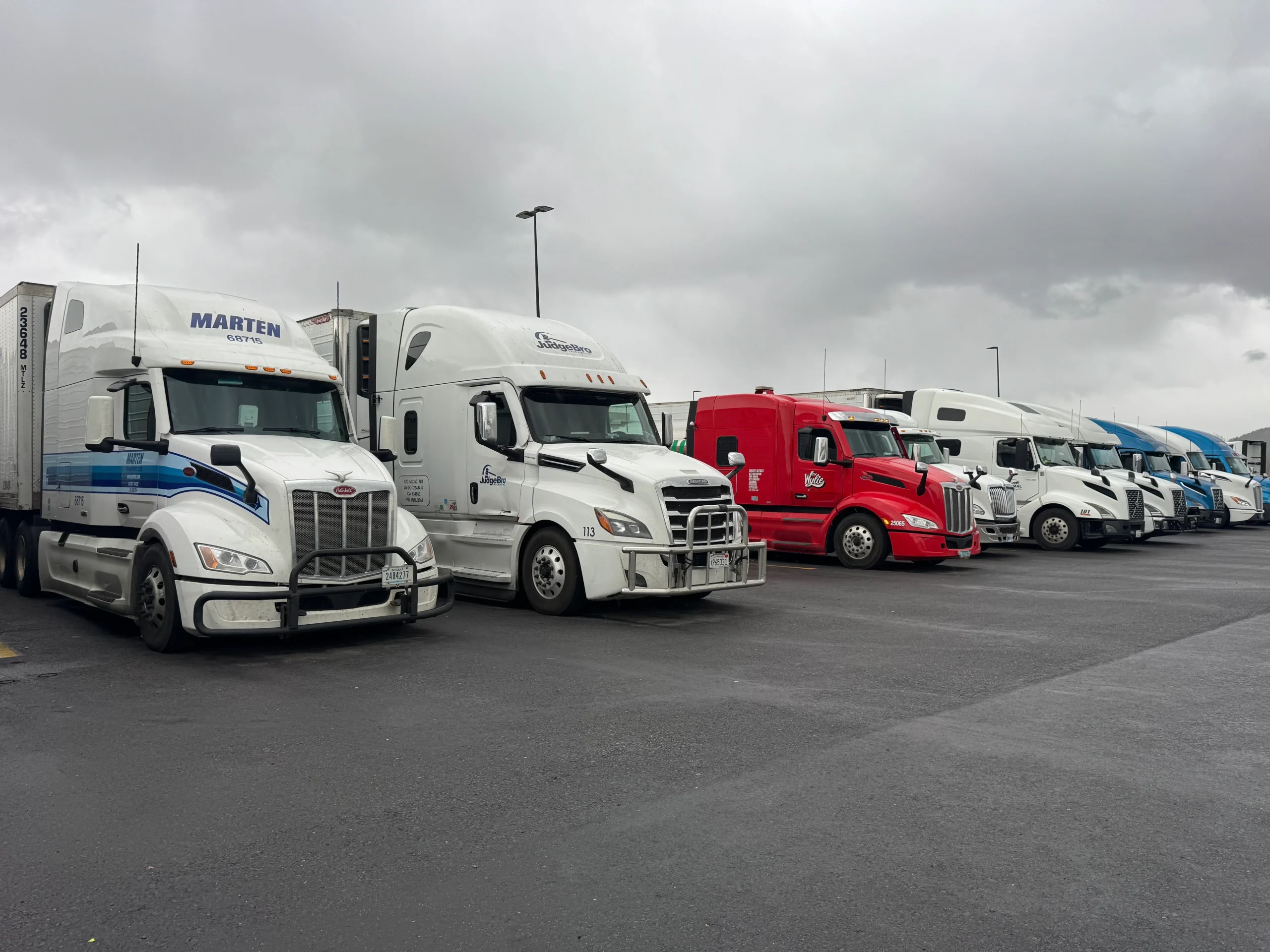
Your truck’s DMV registration just got held. Or you’re staring down a semi-annual testing deadline with 15 trucks and no time to haul them across town. Maybe you got flagged with a Notice to Submit and have 30 days to fix it before penalties start piling up.
California’s Clean Truck Check program isn’t optional anymore. If you’re running 2013 or newer heavy-duty trucks over 14,000 lbs in Los Angeles or Riverside County, you need carb compliant emissions testing twice a year. Miss it, and you’re looking at registration holds, fines, and trucks that can’t legally roll.
Here’s what actually matters when you’re trying to keep a fleet compliant without bleeding time and revenue.
California doesn’t mess around with heavy-duty emissions. If your truck weighs over 14,000 lbs GVWR and runs on diesel or alternative fuel, the state expects you to prove it’s not pumping out excessive pollution. That means periodic testing through carb’s Clean Truck Check program, formerly known as Heavy-Duty Inspection and Maintenance.
For 2013 and newer trucks, testing happens through an OBD scan. A carb-certified device plugs into your truck’s onboard diagnostics port, pulls emissions data straight from the engine computer, and checks whether your emissions control systems are doing their job. The whole process takes 10-15 minutes when you’re working with someone who knows what they’re doing.
The catch is that not just anyone can run these tests. California requires credentialed testers who’ve completed official carb training and use state-approved equipment. Results have to be submitted electronically to the CTC-VIS database, which is how the DMV knows your truck is compliant and clears any registration holds.
You’ve got two ways to get this done. Drive your trucks to a fixed inspection station, or have a mobile tester come to you.
Fixed stations work fine if you’ve got one truck and plenty of time. You schedule an appointment, drive over, wait your turn, get tested, and drive back. For a single owner-operator, that’s manageable. For a fleet manager trying to keep 10, 20, or 40 trucks on the road, it’s a logistics nightmare.
Mobile testing flips that model. We bring the equipment to your yard, job site, or wherever your trucks are parked. You don’t lose hours of billable time driving across town. Your trucks stay where they need to be, and testing happens on your schedule, not someone else’s.
The speed difference matters too. A mobile service built for fleets can knock out 15-40 inspections in a day. That means your entire fleet gets compliant in one visit instead of spreading it across weeks of individual appointments. You’re not pulling trucks off jobs one at a time. You’re handling compliance in bulk and getting back to work.
For operations running tight margins, that difference in downtime translates directly to revenue. Every hour a truck spends at a testing facility instead of hauling loads costs you money. Mobile testing cuts that loss down to minutes instead of half a day.
The other advantage is flexibility. If you get hit with a Notice to Submit to Testing because carb’s roadside monitors flagged one of your trucks, you’ve got 30 days to submit a passing test. We can respond fast, sometimes same-day or next-day, instead of waiting weeks for an open slot at a busy shop.
Getting tested is only half the battle. The results have to make it into California’s official database, or you’re still non-compliant in the state’s eyes.
CTC-VIS is the Clean Truck Check Vehicle Inspection System. It’s carb’s centralized platform where all emissions test results, compliance deadlines, and vehicle registration data live. When a credentialed tester submits your passing test electronically, it updates your compliance status in real time. The DMV can see it. carb can see it. And if you’re dealing with a registration hold, that hold gets lifted within a few business days once the system processes your passing result.
Here’s where things go wrong for a lot of fleet owners. Some testers still do paper-based reporting or batch their submissions at the end of the week. That delay can cost you days of downtime if you’re waiting for a DMV hold to clear. The faster your results hit the database, the faster you’re back to legal operation.
Credentialed testers also handle the compliance fee submission. California charges an annual fee per vehicle, which was $32.13 in 2026. That fee has to be paid before your compliance deadline, and it’s separate from the testing service cost. A good tester will walk you through that process and make sure both the fee and the test results are properly logged.
The other thing to understand is the 90-day early submission window. California lets you submit passing tests up to 90 days before your deadline. That’s huge for proactive fleet managers who want to stay ahead of compliance instead of scrambling at the last minute. You can schedule testing during slow periods, get it done early, and not worry about it until the next cycle.
If your truck fails, the tester submits that result too, but it doesn’t satisfy your compliance requirement. You’ll need to make repairs and retest before the deadline. The system tracks both passing and failing tests, so there’s a full record of your compliance history.
Clean Truck Check isn’t a safety inspection in the traditional sense. It’s focused purely on emissions control systems. But the two often overlap because a truck that’s failing emissions usually has underlying mechanical issues that affect safety and performance too.
For 2013 and newer trucks, the OBD scan checks for diagnostic trouble codes, monitors readiness status, and evaluates whether systems like the diesel particulate filter, selective catalytic reduction, and exhaust gas recirculation are functioning correctly. If any of those systems are malfunctioning, you’ll fail the test and need repairs before you can pass.
The test doesn’t look at brakes, lights, tires, or other DOT safety items. That’s a separate inspection. But emissions failures often point to engine problems, sensor issues, or aftertreatment system breakdowns that will eventually cause bigger headaches if you ignore them.
California draws the line at 14,000 lbs gross vehicle weight rating. If your truck is heavier than that and runs on diesel or alternative fuel like natural gas, you’re subject to Clean Truck Check. Lighter trucks fall under different programs.
Most semi trucks, box trucks, dump trucks, tow trucks, and heavy-duty fleet vehicles hit that threshold easily. Even some larger pickups and RVs cross into that weight class, especially when you factor in cargo and equipment.
The 2013 model year cutoff is critical. Trucks with 2013 or newer diesel engines are equipped with onboard diagnostics systems that make OBD testing possible. Older trucks without OBD require smoke opacity testing and visual inspections, which are more time-consuming and involve different equipment.
If you’re running a mixed fleet with both pre-2013 and post-2013 trucks, you’ll need testers who can handle both types of inspections. Some mobile services specialize in one or the other. We focus exclusively on 2013+ trucks with OBD systems, which means faster testing and specialized expertise for newer fleets.
The testing frequency is semi-annual for most commercial vehicles. That means twice a year, every year, as long as the truck operates in California. Agricultural vehicles and some California-registered motorhomes qualify for annual testing instead of semi-annual, but commercial fleets don’t get that break.
Starting in October 2027, the state is ramping up to quarterly testing for OBD-equipped vehicles. That’s four times a year instead of two. It’s a big jump in compliance workload, and it’s why building a relationship with a reliable mobile tester now will save you headaches later.
The other thing to know is that out-of-state trucks aren’t exempt. If your truck is registered in Nevada, Arizona, or anywhere else but operates in California, you still have to comply with Clean Truck Check. carb doesn’t care where your plates are from. If you’re driving on California roads, you’re subject to California rules.
Commercial vehicle testing under Clean Truck Check is straightforward once you understand the process. The tester connects to your truck’s OBD port, runs the scan, and pulls emissions data. The device checks for active fault codes, pending codes, and readiness monitors.
Readiness monitors are the big sticking point for a lot of trucks. California requires certain emissions system monitors to be “ready” before the truck can pass. If you just cleared a code or recently did engine work, those monitors might not be set yet. The truck will fail with a “Not Ready” result, and you’ll need to drive it through a specific cycle to get the monitors ready before retesting.
That’s where experience matters. A good tester knows how to read the OBD data and can tell you exactly what’s wrong if you fail. We’ll explain whether you need repairs, more drive time, or just a simple fix like tightening a gas cap or resetting a sensor.
For fleets, the ability to test multiple trucks in one visit is a game-changer. Instead of scheduling individual appointments, you coordinate one day where we show up and work through your entire lineup. You get all your trucks compliant at once, and you’re not juggling a dozen different deadlines and appointments.
We submit results immediately after each test. If a truck passes, that result goes straight to CTC-VIS. If it fails, you know right away what needs fixing. There’s no waiting period, no batch processing, no mystery about whether the paperwork got filed. It’s done, it’s logged, and you move on.
That immediacy is critical when you’re dealing with DMV registration holds. California’s DMV automatically places holds on non-compliant trucks. Once your passing test hits the CTC-VIS system, the hold gets lifted within a few business days. The faster the submission, the faster you’re back in business.