California's Clean Truck Check program requires most heavy-duty diesel trucks to undergo emissions testing twice per year, with deadlines tied to your registration renewal date.
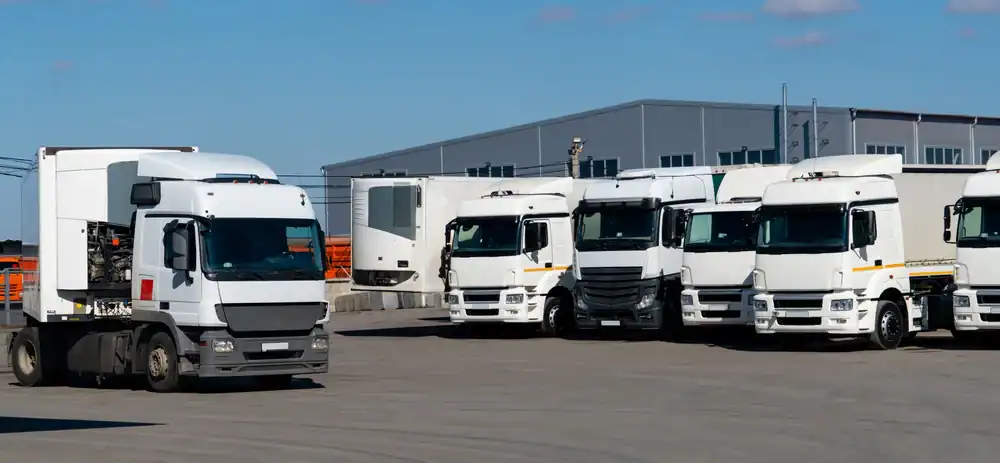
California’s Clean Truck Check program applies to nearly all diesel and alternative fuel trucks with a gross vehicle weight rating over 14,000 pounds. Semi-trucks, box trucks, dump trucks, and even some larger diesel motorhomes operating on California roads fall under these requirements.
Roadside monitoring started in 2023, but periodic testing became mandatory in 2024. If your truck operates in California—even if it’s registered out of state—you’re subject to these requirements. The program ensures emissions control systems work properly throughout the vehicle’s life, not just when it’s new.
Testing isn’t a one-time event. Frequency depends on your vehicle’s engine year and whether it has onboard diagnostics. For most operators, that means building a regular mobile Clean Truck Check testing rhythm into your business operations.
Starting in 2025, most heavy-duty diesel trucks need emissions testing twice per year—every six months, tied to your compliance deadlines. If your truck is registered in California, your first deadline is based on your DMV registration expiration date. The second deadline hits six months later.
Trucks registered outside California but operating in the state follow a VIN-based schedule. carb assigns specific months based on the last digit of your VIN, and deadlines repeat every six months from there. Your exact dates appear in your CTC-VIS account once you’re registered.
Agricultural vehicles and California-registered motorhomes used for recreational purposes only need testing once per year. Commercial fleets and semi-trucks stay on the semi-annual schedule with no exceptions.
October 2027 brings a major shift. Trucks with OBD systems—2013 and newer diesel engines—move to quarterly testing. Four times per year. That’s designed to catch emissions issues faster and keep high-emitting trucks off the road. If your fleet runs newer equipment, start planning for that transition now. The testing infrastructure is already preparing for the increased volume.
Operating in 2025 or 2026? Plan for two commercial truck emissions testing appointments per year. Running 2013 or newer engines? Plan for four tests per year starting late 2027. Mark those dates and build them into your maintenance schedule like any other required service. Missing one can shut your operation down faster than a mechanical failure.
Not all diesel trucks get tested the same way. The type of test depends on your engine model year and whether it has onboard diagnostics.
Trucks with 2013 or newer diesel engines have OBD. The test scans your engine’s OBD data using a carb-certified device. The tester plugs into your diagnostic port, pulls emissions control performance data directly from the truck’s computer, and uploads results to carb. It’s quick and digital with no smoke test involved. The system verifies your emissions equipment is functioning as designed—DPF, SCR, EGR, all of it.
Trucks with 2012 and older diesel engines require a smoke opacity test and visual inspection of emissions control equipment. The smoke test measures particulate matter output during snap acceleration. If smoke lingers too long or exceeds opacity limits, you fail. The visual inspection confirms all factory emissions components are present, unmodified, and in original locations. Missing a DPF or running aftermarket exhaust that bypasses emissions controls means automatic failure.
Alternative fuel engines follow similar rules with different cutoff years. A 2018 or newer alternative fuel engine gets the OBD test. Older alternative fuel engines get visual inspection but skip the smoke opacity test.
One thing catches people off guard: trucks with off-road engines installed in on-road vehicles are still subject to Clean Truck Check. Off-road engines don’t have OBD requirements, so even if the engine is newer, you’ll be tested using smoke opacity and visual inspection. It’s not common, but it happens.
Know your engine year. Check the emissions control label on your engine if you’re not sure. That label determines what test you need, and using the wrong test method won’t count toward compliance.

Compliance deadlines aren’t suggestions—they’re hard dates tied to your ability to renew registration and operate legally. If you’re registered in California, your first compliance deadline matches your DMV registration expiration date. Every six months after that brings another deadline.
Out-of-state trucks and vehicles with exempt plates follow a VIN-based schedule. The last digit of your VIN determines which months you’re due. carb publishes tables that spell it out, but the easiest way to track deadlines is through your CTC-VIS account. Once registered, your dashboard shows upcoming due dates, testing history, and compliance status.
You can submit a passing test up to 90 days before your deadline. That window exists so you have time to make repairs if your truck fails. If your deadline is February 1st, you can test as early as November 3rd. Use that buffer instead of waiting until the last week hoping everything passes on the first try.
Miss a deadline and consequences start immediately. The California DMV automatically places a registration hold on non-compliant vehicles. You can’t renew registration, can’t get new tags, and technically can’t operate the truck on public roads.
Operating with expired registration due to a Clean Truck Check hold means citations from CHP or local law enforcement. carb can also issue violations with penalties up to $10,000 per vehicle per day. That’s not a typo—per day, per vehicle. For a small fleet, non-compliance can rack up six figures in fines fast.
Roadside monitoring adds another layer. carb uses remote emissions monitoring devices at various locations around the state. If your truck gets flagged as a potential high emitter, you’ll receive a Notice to Submit to Testing. You’ve got 30 days to get a passing test submitted to carb, regardless of where you are in your normal testing cycle. Ignore that notice and you’re compounding the problem.
Ports and railyards can deny entry to non-compliant trucks. If you’re running drayage or intermodal freight, losing access to those facilities means losing contracts. Customers and brokers are starting to verify compliance status before booking loads. Non-compliance doesn’t just cost money in penalties—it costs you work.
The registration hold creates immediate pain for most operators. You can’t just pay a fee and move on. You have to get compliant first: register in CTC-VIS, pay your annual compliance fee, submit a passing emissions test, and wait for carb to clear the hold with DMV. That process takes time. Trying to do it the day your registration expires means you’re already too late.
Set reminders 90 days out. Test early. If you fail, you’ve got time to fix the issue and retest before the deadline hits. Waiting until the last minute leaves no room for repairs, and emissions system repairs aren’t always quick.
Before submitting any test results, you need to be registered in the Clean Truck Check Vehicle Inspection System, or CTC-VIS. This is the state database that tracks your vehicles, compliance status, test results, and deadlines. If you’re not in the system, you’re not carb compliant—even if you’ve had your truck tested.
Registration happens online through the CTC-VIS portal. You’ll create an owner account, add your vehicles by VIN, and verify the information. Each vehicle needs individual reporting, and you’ll need details like engine model year, GVWR, and emissions control label information. Fleet managers can add multiple vehicles under one account.
Once vehicles are registered, you’ll pay an annual compliance fee for each one. For 2026, that fee is $32.13 per vehicle. It adjusts slightly each year based on California’s Consumer Price Index, so expect gradual increases. The fee is due at your compliance deadline, and you can pay by credit card or eCheck through the portal. Payment processing can take a few business days, so don’t wait until the deadline.
After registration and payment, you’ll get a compliance certificate you can download from your account. Keeping a copy in the truck is smart. While not legally required to carry it, carb recommends having proof of compliance accessible during weigh station stops or roadside inspections.
Your CTC-VIS account shows test results once they’re submitted by a credentialed tester. The tester uploads data directly to carb—you don’t handle that part. But log in regularly to confirm results posted correctly and your compliance status is current. Errors happen. If a test doesn’t show up or your status doesn’t update, catch that before it becomes a registration issue.
If you sell a vehicle or transfer ownership, update that information in CTC-VIS within 30 days. If you buy a used truck, make sure the previous owner was compliant within the last 90 days. If not, you’re inheriting a compliance problem, and you’ll need to get it tested and compliant before registering it in your name.