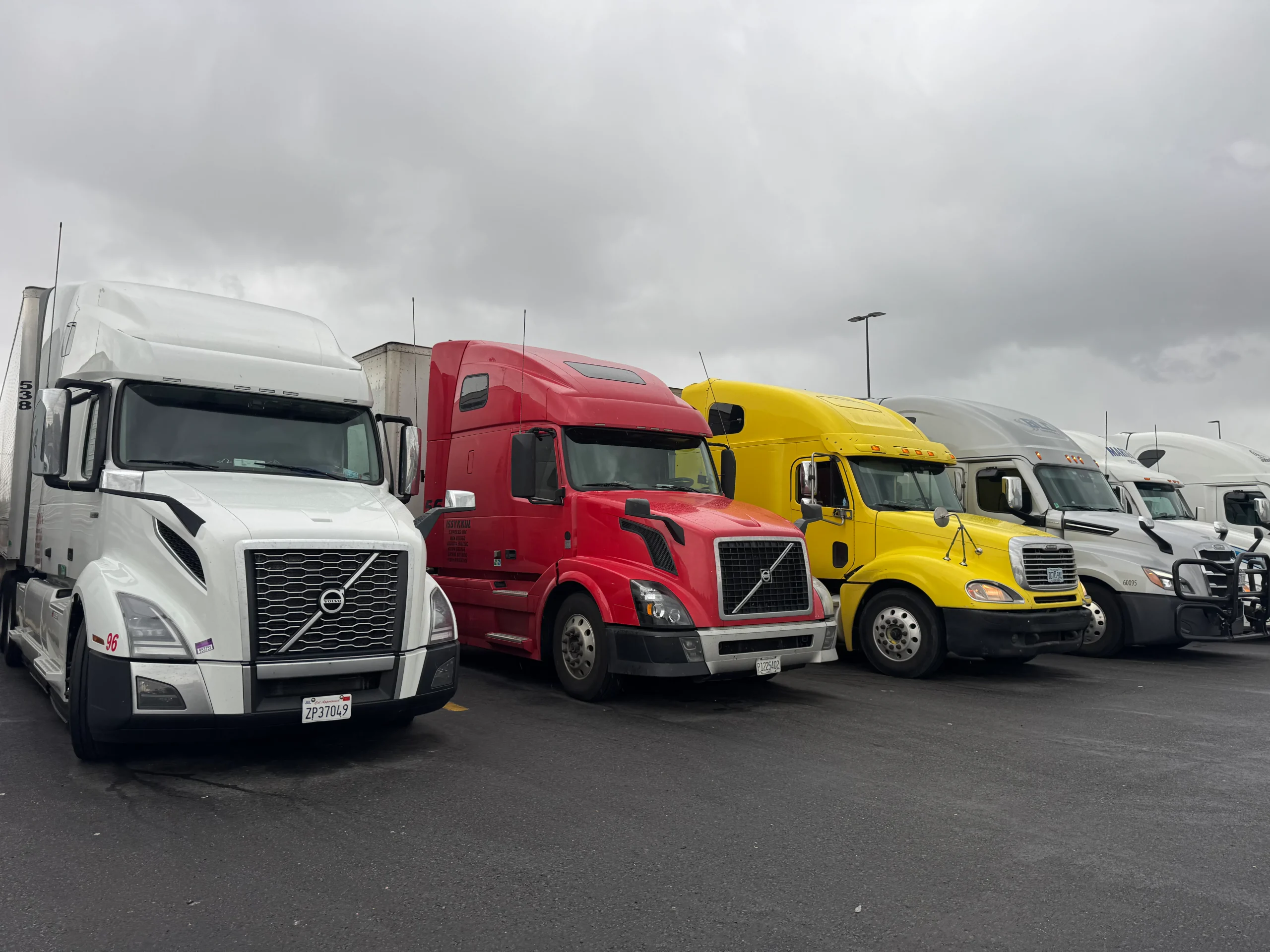
Summer heat in Los Angeles County brings more than discomfort—it creates the perfect storm for emissions testing delays and equipment stress that mobile services solve.
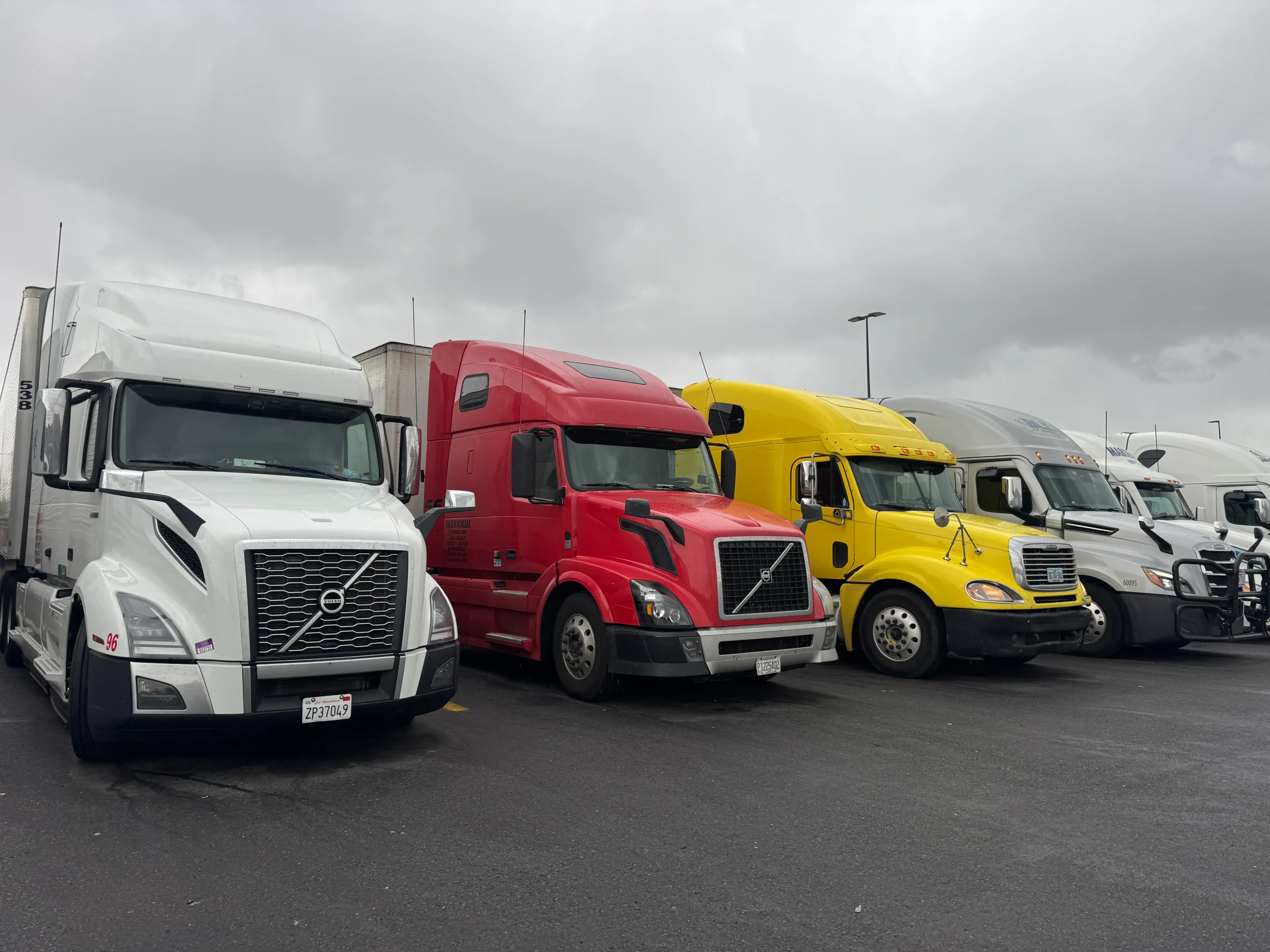
Your truck just came back from a long haul through the Inland Empire in 95-degree heat. The last thing you need is to drive it across Los Angeles County to sit in line at a testing facility for two hours. That’s time your truck isn’t earning, fuel you’re burning for compliance instead of profit, and another layer of stress on an emissions system already working overtime in the heat.
Mobile smog testing flips that equation. The testing comes to you, happens in 10-15 minutes, and gets your compliance handled without pulling trucks off their routes or schedules. During summer months when heat compounds every delay and facility lines stretch longest, that difference matters more than ever.
Los Angeles County summers don’t just make drivers uncomfortable. They put measurable stress on diesel emissions systems that are already complex and temperamental. High ambient temperatures affect how your truck’s aftertreatment systems perform, how quickly carbon builds up in critical components, and how efficiently your emissions controls can do their job.
When temperatures climb into the 90s and beyond, your EGR system runs hotter, your DPF regeneration cycles happen more frequently, and your SCR system works harder to manage NOx levels. These aren’t theoretical concerns. They’re daily realities that show up as check engine lights, reduced fuel efficiency, and failed emissions tests if systems aren’t maintained properly.
The timing couldn’t be worse. Summer is also when testing facilities see their highest volume, as fleet operators rush to meet compliance deadlines before trucks head out for peak shipping season. You’re dealing with longer wait times exactly when your equipment is most likely to show stress-related issues.
Diesel engines naturally run hotter than gasoline engines. Add Southern California summer heat, and you’re asking cooling systems and emissions controls to work at their maximum capacity for extended periods. This isn’t just about comfort or mechanical wear—it directly impacts whether your truck passes its Clean Truck Check.
Your diesel particulate filter operates through high-temperature regeneration to burn off accumulated soot. In extreme heat, the system can struggle to manage these regen cycles properly, leading to incomplete burns or excessive regeneration that affects fuel economy. The selective catalytic reduction system, which controls nitrogen oxide emissions, relies on precise temperature ranges to function efficiently. When ambient temperatures spike, maintaining those optimal conditions becomes harder.
Carbon buildup accelerates in hot conditions. Your EGR system, which recirculates exhaust gases to reduce combustion temperatures, faces increased thermal stress. The coolers in this system work overtime, and any existing deposits or restrictions become more problematic. What might be a minor issue in February can trigger a failed test in July.
Heat also affects the diesel exhaust fluid your SCR system depends on. DEF degrades faster in high temperatures and direct sunlight, and contamination becomes more likely when dust and debris are prevalent during dry summer months. If your DEF quality drops or your DEF injectors get clogged, your emissions control system can’t do its job, regardless of how well-maintained the rest of your truck might be.
These aren’t reasons to panic, but they are reasons to plan differently. Summer testing requires more attention to pre-test preparation, more awareness of how your systems are performing, and ideally, a testing approach that doesn’t add hours of heat exposure while waiting in facility lines.
Testing facilities in Los Angeles County see predictable volume spikes during summer months. Fleet operators know that fall and winter bring their own operational challenges, so they push to get compliance handled during the warmer months when weather is less likely to disrupt logistics. The result is that June through August consistently show the longest wait times at brick-and-mortar testing locations.
You’re not just waiting longer. You’re waiting in conditions that continue stressing your emissions systems. Trucks idling in facility parking lots or queues aren’t cooling down—they’re maintaining high temperatures that exacerbate any existing issues with aftertreatment components. If your truck is borderline on a particular emissions parameter, that extended heat exposure before testing doesn’t help.
The administrative burden compounds for fleet operators managing multiple vehicles. When you have 15 or 20 trucks that need testing within a specific window, coordinating facility visits becomes a logistics puzzle. You’re scheduling around their availability, their peak times, and their capacity limits. One truck that fails means another trip, more lost time, and more schedule disruption.
Summer also brings increased roadside enforcement. CARB’s roadside emission monitoring devices are active year-round, but enforcement efforts often intensify during periods when non-compliance is more common. If your truck gets flagged by a roadside monitor and you’re already behind on testing, you’re facing notice to submit testing requirements on top of your regular compliance deadlines.
Mobile testing services eliminate these summer-specific pain points by removing the facility from the equation entirely. Testing happens at your location, on your schedule, without the wait times or the additional heat exposure. Your trucks get tested where they’re parked, and the entire process takes less time than driving to a facility would have taken by itself.
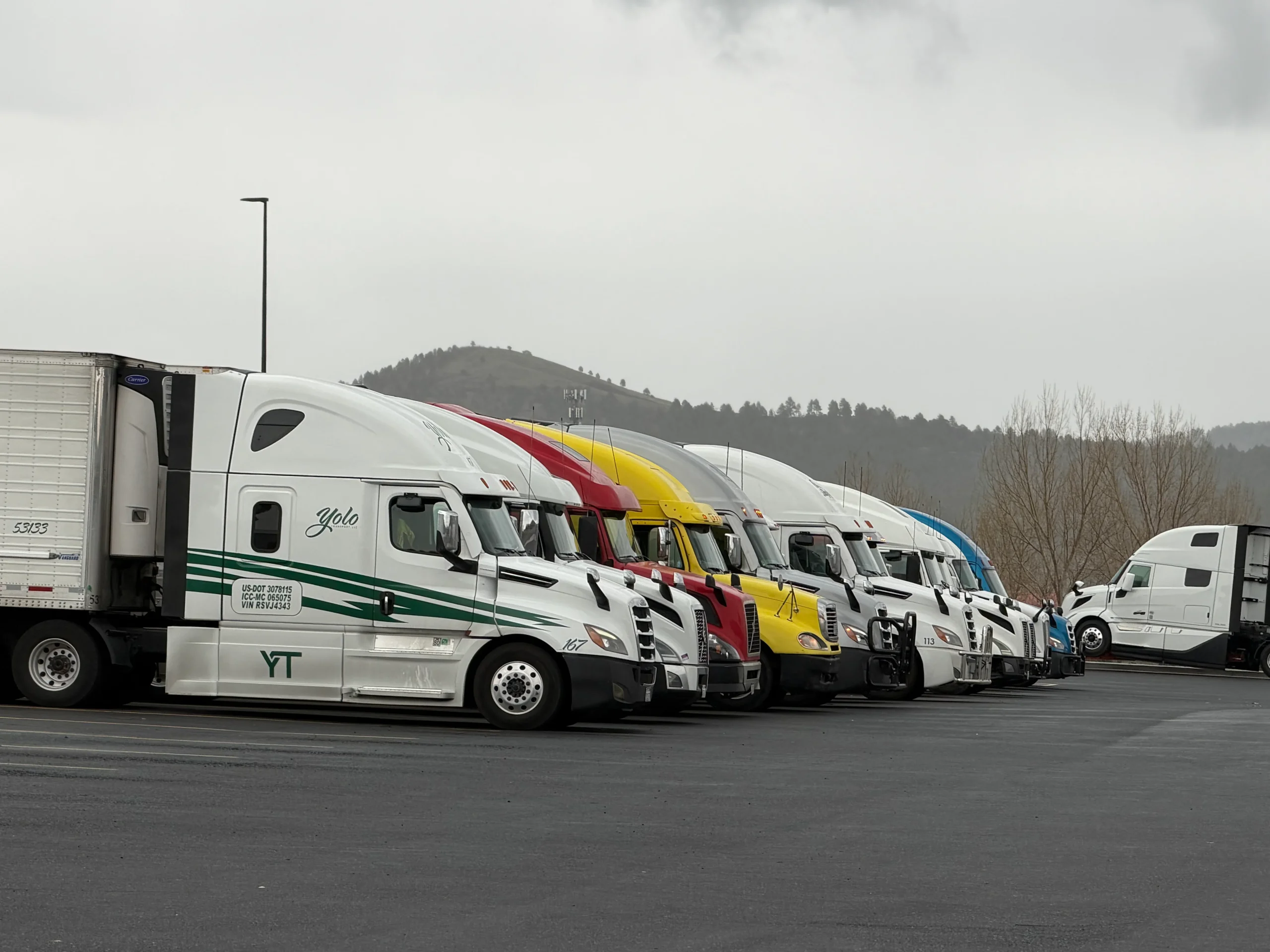
Fleet operators face a different calculation than owner-operators with a single truck. When you’re managing compliance for 10, 20, or 40 vehicles, the logistics of traditional testing become exponentially more complex. Summer months amplify every inefficiency in that process.
Mobile fleet emissions testing addresses this by bringing the testing operation to your yard, warehouse, or wherever your trucks are based. Instead of pulling vehicles out of service one at a time to visit a facility, you schedule a testing day and handle multiple trucks in sequence. A mobile tester can process 15-40 inspections in a single day, depending on fleet size and any issues that arise.
The math is straightforward. If each truck takes two hours round-trip to visit a facility plus testing time, you’re looking at 30-40 hours of lost productivity for a 15-truck fleet. Mobile testing cuts that to 3-4 hours total for the same fleet, with trucks available for dispatch immediately after their 10-15 minute inspection window.
Downtime has a dollar value that varies by operation, but it’s never zero. Every hour a truck sits unavailable for dispatch is an hour it’s not generating revenue. During summer months when shipping demand is often high, that lost productivity hurts more than it would during slower periods.
Mobile testing services minimize this impact by eliminating travel time entirely. Your truck doesn’t leave your facility. The tester arrives with CARB-certified OBD equipment, connects to your truck’s diagnostic port, downloads the emissions data, and submits results directly to the CTC-VIS database. The entire process takes 10-15 minutes for a passing test.
Compare that to the traditional facility visit. You’re looking at drive time each direction, wait time at the facility, testing time, and the return trip. Even in ideal conditions with no delays, you’re spending an hour minimum. More realistically, you’re spending two to three hours, especially during summer peak periods. That’s 2-3 hours of driver time, fuel costs, and opportunity cost for every single truck.
For fleets, mobile services also solve the scheduling coordination problem. Instead of trying to book 15 separate facility appointments around their availability and your operational needs, you schedule one day with a mobile tester. We show up at your location and work through your fleet systematically. If a truck fails, you know immediately, can address the issue, and retest without another facility trip.
The convenience factor extends beyond just time savings. Mobile testing means your maintenance team can be present during testing if needed. If questions arise about a particular vehicle’s emissions performance or if minor adjustments could help with borderline results, your people are right there to address it. You’re not getting a phone call hours later about a failed test with no context about what went wrong.
Summer heat makes this convenience even more valuable. Your trucks aren’t sitting in facility parking lots in 95-degree temperatures waiting for their turn. They’re tested at your location where you have control over the environment and can prepare vehicles appropriately before their testing window.
The economics of fleet testing change significantly when you factor in all the costs involved, not just the testing fee itself. Traditional facility-based testing carries hidden costs that add up quickly across a large fleet: driver labor for the facility trip, fuel consumed during non-revenue miles, opportunity cost of unavailable trucks, and administrative time coordinating multiple appointments.
Mobile testing consolidates these costs. You’re paying for the testing service, but you’re eliminating most of the ancillary expenses. No driver needs to spend half a day shuttling trucks to facilities. No fuel gets burned on compliance trips. No dispatch opportunities get missed because trucks are tied up at testing locations.
Volume pricing for fleet testing makes the economics even more favorable. When a mobile service processes 15-40 trucks in a single visit, we can offer per-truck rates that reflect the efficiency of batch testing. You’re not paying a premium for convenience—you’re often paying less per test than you would at a facility, once you account for the total cost of compliance.
Summer specifically brings additional cost considerations. Fuel costs tend to rise during peak driving season. Driver time becomes more expensive when demand is high and you need every available person focused on revenue-generating work. The opportunity cost of having trucks unavailable increases when shipping volumes are at their highest.
Mobile testing also reduces the risk of compliance penalties that can devastate a fleet’s finances. CARB penalties for non-compliance can reach $10,000 per vehicle per day. When you’re managing multiple trucks with different compliance deadlines, the risk of missing a deadline increases with traditional testing approaches that require complex scheduling and coordination. Mobile testing simplifies that coordination, reducing the chance that a truck slips through the cracks and triggers penalties.
The immediate electronic submission to the CTC-VIS database provides another cost-saving benefit. Your compliance status updates within days of testing, not weeks. You know immediately whether your fleet is clear for registration renewals or if any vehicles need attention. This real-time visibility helps you avoid registration holds that can ground trucks at the worst possible time.
For fleets operating in Los Angeles County and Riverside County, mobile services that are willing to travel long distances provide additional value. You’re not limited to facilities in your immediate area or forced to choose between convenience and quality. A mobile service that covers the entire region can test your trucks wherever they’re located, whether that’s at your main yard or at a satellite location.