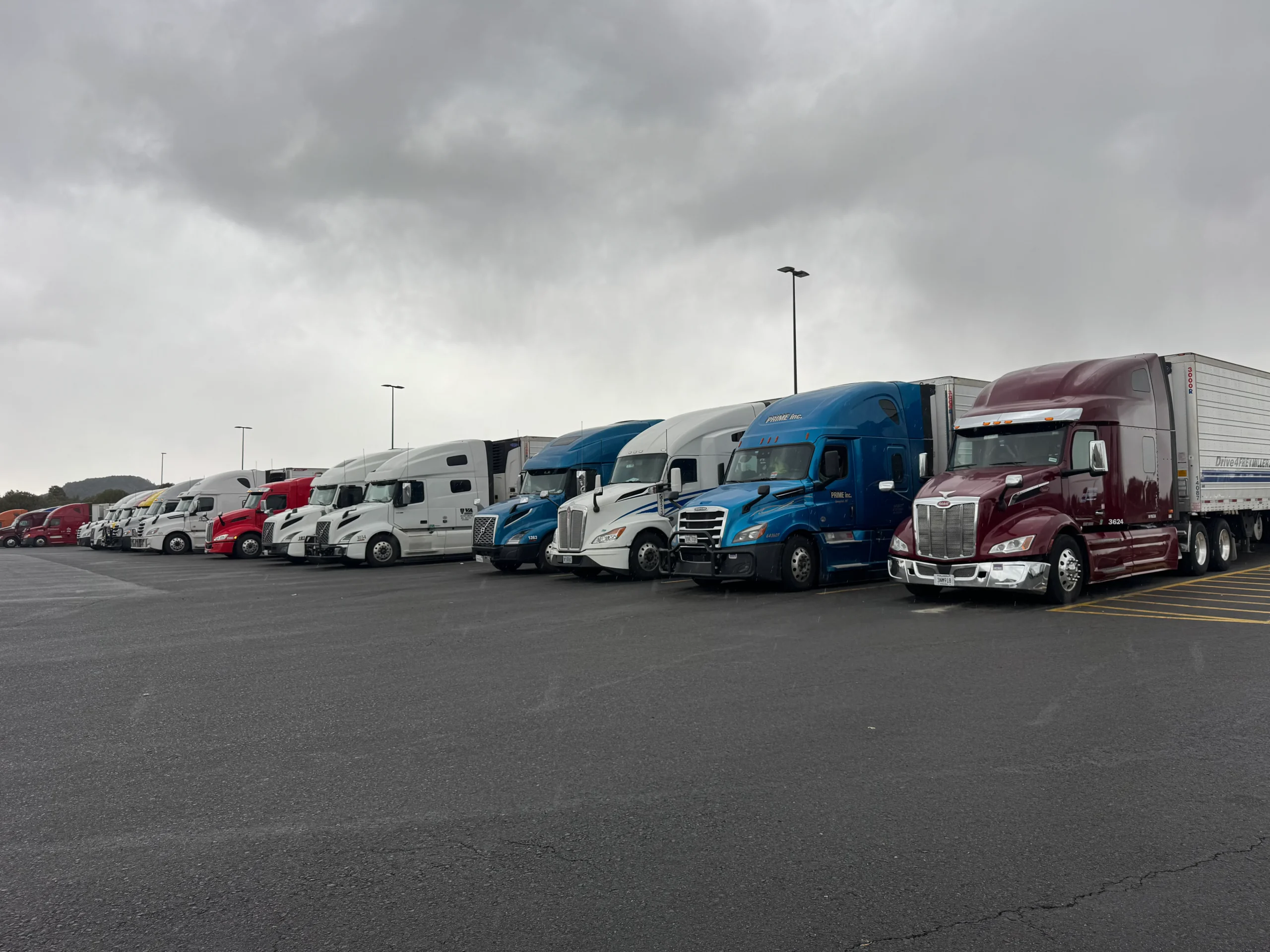
Q4 compliance creates bottlenecks for fleet emissions testing across Los Angeles County, CA. Early testing beats registration holds and keeps trucks earning through busy season.
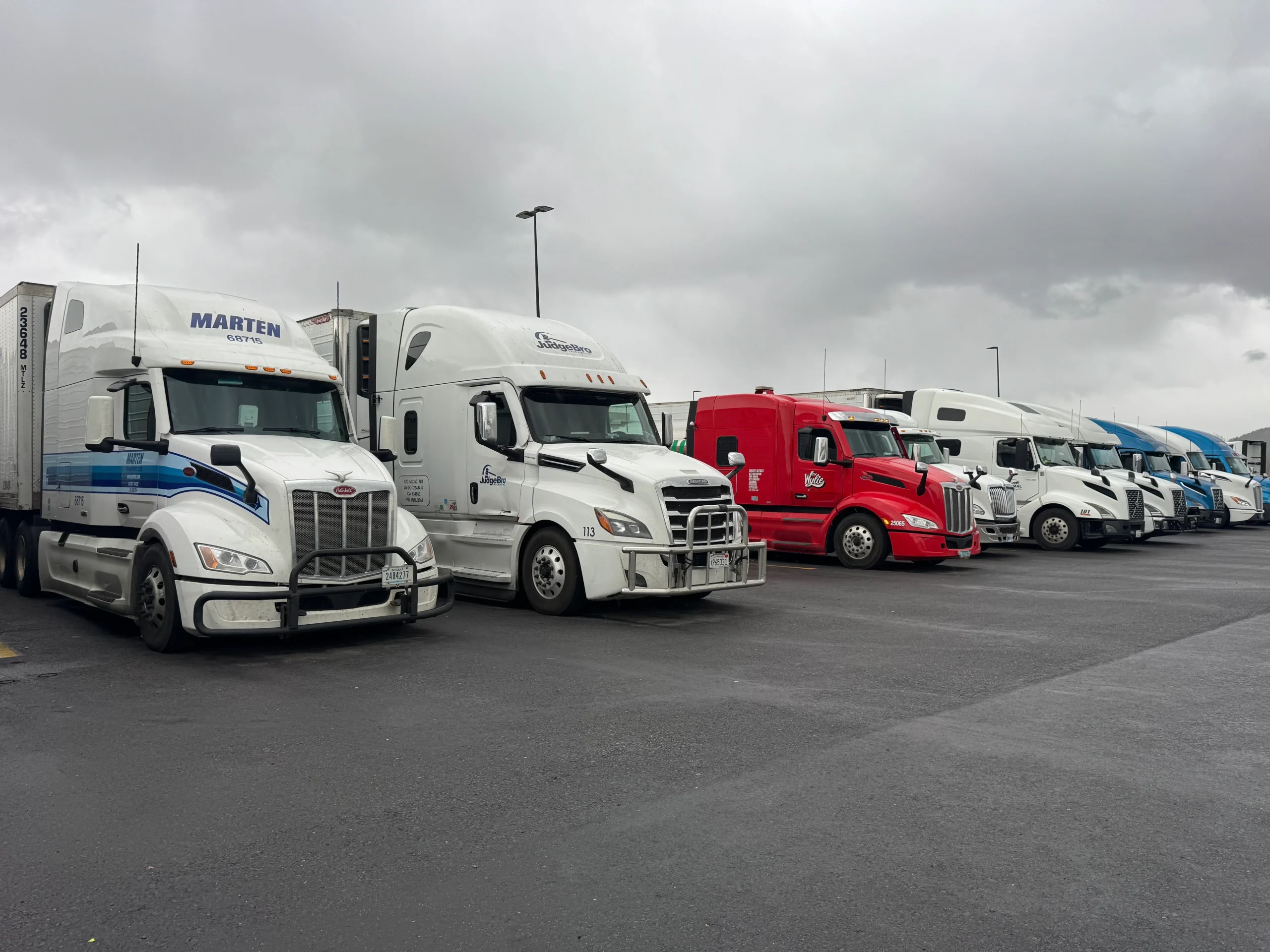
October through December turns into a scramble for fleet managers who put off emissions testing. The phones at testing facilities start ringing off the hook. Appointment slots disappear. And suddenly you’re looking at a January registration deadline with no available testing dates in sight.
You know what happens next. Trucks sit idle. Revenue stops. Your dispatcher is fielding calls about why vehicles can’t roll. And the DMV doesn’t care that you tried to book an appointment—they just see non-compliance.
Here’s what changes when you plan ahead: early testing, zero scheduling stress, and trucks that stay on the road earning through your busiest season. Let’s walk through how Q4 compliance actually works in Los Angeles County, CA when you’re not fighting the rush.
Most fleet managers run the same mental calendar. Summer passes. Fall gets busy. Then suddenly it’s November and half your fleet needs emissions testing before year-end deadlines hit in Los Angeles County, CA and Riverside County, CA.
The problem isn’t that you forgot. It’s that everyone else remembered at the exact same time. Testing providers get slammed. Mobile diesel emissions testing services book out weeks in advance. And if even one truck fails, you’re now scrambling to get repairs done and schedule a retest before the deadline.
California gives you a 90-day early testing window specifically to avoid this mess. A truck with a February 1 deadline can test as early as November 3. That’s not a suggestion—it’s your escape hatch from the year-end chaos that hits every CARB compliance testing provider.
Your compliance deadlines don’t all land on December 31. They’re spread throughout the year based on each vehicle’s DMV registration renewal date for California-registered trucks, or the last digit of the VIN for out-of-state vehicles operating in California.
Pull up your fleet list right now. Check each truck’s compliance deadline in the CARB Clean Truck Check database. You’ll probably find deadlines scattered across January, February, and March. That’s actually good news because it means you can stagger your fleet emissions testing instead of doing everything at once.
Here’s the strategy that works for commercial vehicle compliance: identify which trucks have Q1 deadlines, then schedule their testing in October or November. You beat the December rush, take advantage of better availability across Los Angeles County, CA, and give yourself a buffer if any vehicle needs repairs before retesting.
The 90-day window exists for a reason. Testing providers have more availability in early Q4. Weather is still cooperative for mobile emissions testing services. And if a truck fails, you have time to fix issues and retest without panic. By the time December hits and everyone else is scrambling, your fleet is already compliant.
Most fleet managers don’t realize they can test this early. They assume diesel emissions testing has to happen close to the deadline. But CARB designed the system specifically to spread out demand. A passing test submitted 90 days early counts exactly the same as one submitted the day before your deadline.
Think about what that means for your operation. While other fleets are dealing with scheduling delays and rushed appointments in December, your trucks are already cleared. No registration holds. No compliance stress. Just normal operations through your busiest season.
Let’s talk about what December looks like for fleets that waited. Testing facilities across Los Angeles County, CA are booked solid. Mobile CARB testing providers are running back-to-back appointments with zero flexibility. If you call looking for same-week service, you’re getting laughed at or put on a waitlist.
Now add in the failure rate. Not every truck passes on the first try. Maybe a sensor threw a code. Maybe the check engine light came on last week and nobody mentioned it. Maybe the truck just needs to run through more drive cycles before the OBD system shows “ready” status.
When you test early, a failure is annoying but manageable. You schedule repairs, let the truck run for a few days, and book a retest with your mobile emissions testing provider. When you test in late December with a January 1 deadline, that same failure becomes a crisis. You’re now begging shops to fit you in, paying rush fees, and hoping the retest appointment doesn’t push past your deadline.
The registration hold is what really hurts. Once your deadline passes without a passing test on file, the DMV blocks your registration renewal. That truck is legally grounded until you get compliant. No loads. No revenue. Just a very expensive paperweight sitting in your yard.
Fleet managers who’ve been through this once never let it happen again. They mark their calendars for 90 days before each deadline. They schedule bulk emissions testing in batches. And they sleep better knowing their trucks won’t get sidelined by compliance issues during peak season.
Here’s the other thing nobody tells you about fleet emissions testing: testing providers give better service when they’re not slammed. In October or November, your mobile tester shows up on time, works efficiently, and has bandwidth to answer questions. In December, they’re rushing through appointments trying to serve everyone who waited until the last minute. You get better service when you book early.
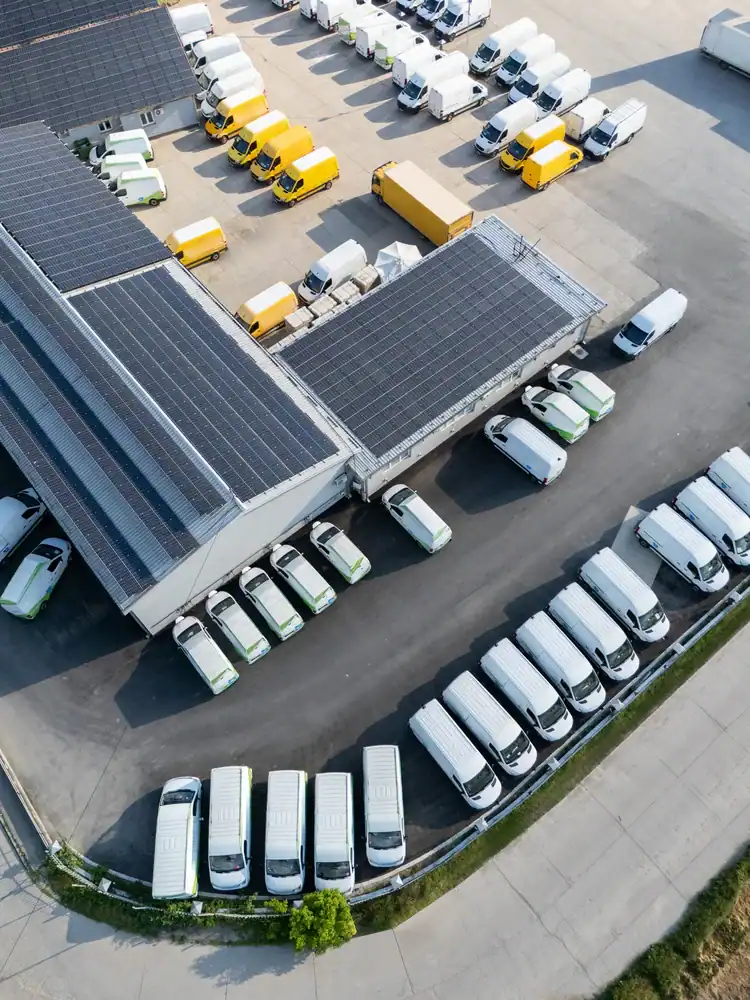
Testing one truck at a time makes sense if you’re an owner-operator with a single vehicle. But if you’re managing 5, 10, or 20 trucks across Los Angeles County, CA or Riverside County, CA, you need a bulk testing approach that doesn’t eat your entire week.
Mobile fleet emissions testing exists specifically for this situation. Instead of driving each truck to a testing station, we come to your yard and work through your vehicles in sequence. We can handle 15 to 40 inspections in a single day, depending on your fleet size and scheduling.
The math is simple. Each OBD test on a 2013 or newer truck takes 10 to 15 minutes. Line up your vehicles, have the VINs and registration info ready, and let us work through your fleet systematically. By the end of the day, your entire compliance burden is handled.
Bulk emissions testing requires some basic coordination, but it’s not complicated. Start by grouping trucks with similar compliance deadlines. If you have eight trucks due for testing between January and March, schedule them all for the same mobile appointment in October or November.
Make sure trucks are actually at your facility on testing day. Sounds obvious, but you’d be surprised how often a fleet schedules testing and then has half the vehicles out on runs. Coordinate with dispatch to keep your testing-day trucks local or schedule the appointment for a time when vehicles are naturally back at the yard.
Have your paperwork organized before we arrive. That means VINs, current registration info, and access to each truck. The actual diesel emissions testing is fast—it’s the administrative fumbling that slows things down. If we have to wait while you hunt for keys or registration documents, you’re wasting time you’re probably paying for.
Check that each truck’s OBD system is in “ready” status before testing day. If a truck was recently repaired or had the battery disconnected, the system might not have completed its drive cycles yet. A truck that’s “not ready” can’t pass testing, which means you just wasted an appointment slot.
We’ll walk you through this prep work when you book. We want efficient appointments as much as you do. A well-organized fleet testing appointment feels like a production line: truck pulls up, we connect the OBD scanner, data downloads in 10 minutes, we submit results electronically to the CTC-VIS database, next truck pulls up. Smooth, fast, and done.
What makes this work is understanding fleet operations. You’re not our only appointment that day, but you also shouldn’t feel rushed or like an inconvenience. We show up on time, work efficiently through your vehicles, and submit all results to the CARB database before we leave your facility.
Commercial vehicle compliance isn’t just about passing a test. It’s about building a system that keeps your fleet compliant year-round without constant fire drills across Los Angeles County, CA and Riverside County, CA.
Start with a master calendar that tracks every truck’s CARB compliance deadline. Spreadsheet, fleet management software, whatever works for your operation. The key is having visibility into when each vehicle needs emissions testing so you’re never surprised by an approaching deadline.
Set reminders for 90 days before each deadline. That’s your trigger to schedule testing. Not 30 days before. Not two weeks before. Ninety days out, when mobile emissions testing providers still have availability and you have time to handle any issues that come up.
Build relationships with testing providers who understand fleet operations. You want someone who can handle bulk appointments, travels to your location in Los Angeles County, CA, and responds when you reach out. The cheapest provider isn’t always the best choice if they can’t accommodate your scheduling needs or leave you waiting for days to get a callback.
Keep records organized and accessible. When a truck passes testing, file that documentation where you can find it instantly. During a roadside inspection or DOT audit, “I know we have that somewhere” doesn’t cut it. You need immediate proof of compliance for every vehicle in your fleet.
Plan for failures. Not every truck passes every time. Budget for occasional retests and repairs. When you test early, a failure is a minor inconvenience. When you test at the deadline, it becomes an emergency. The difference is planning.
Think of compliance as preventive maintenance for your business operations. You wouldn’t skip oil changes and hope for the best. Don’t skip early fleet emissions testing and hope you won’t hit registration holds during your busiest season. The fleets that run smoothest are the ones that treat compliance as routine business practice, not a twice-yearly panic.