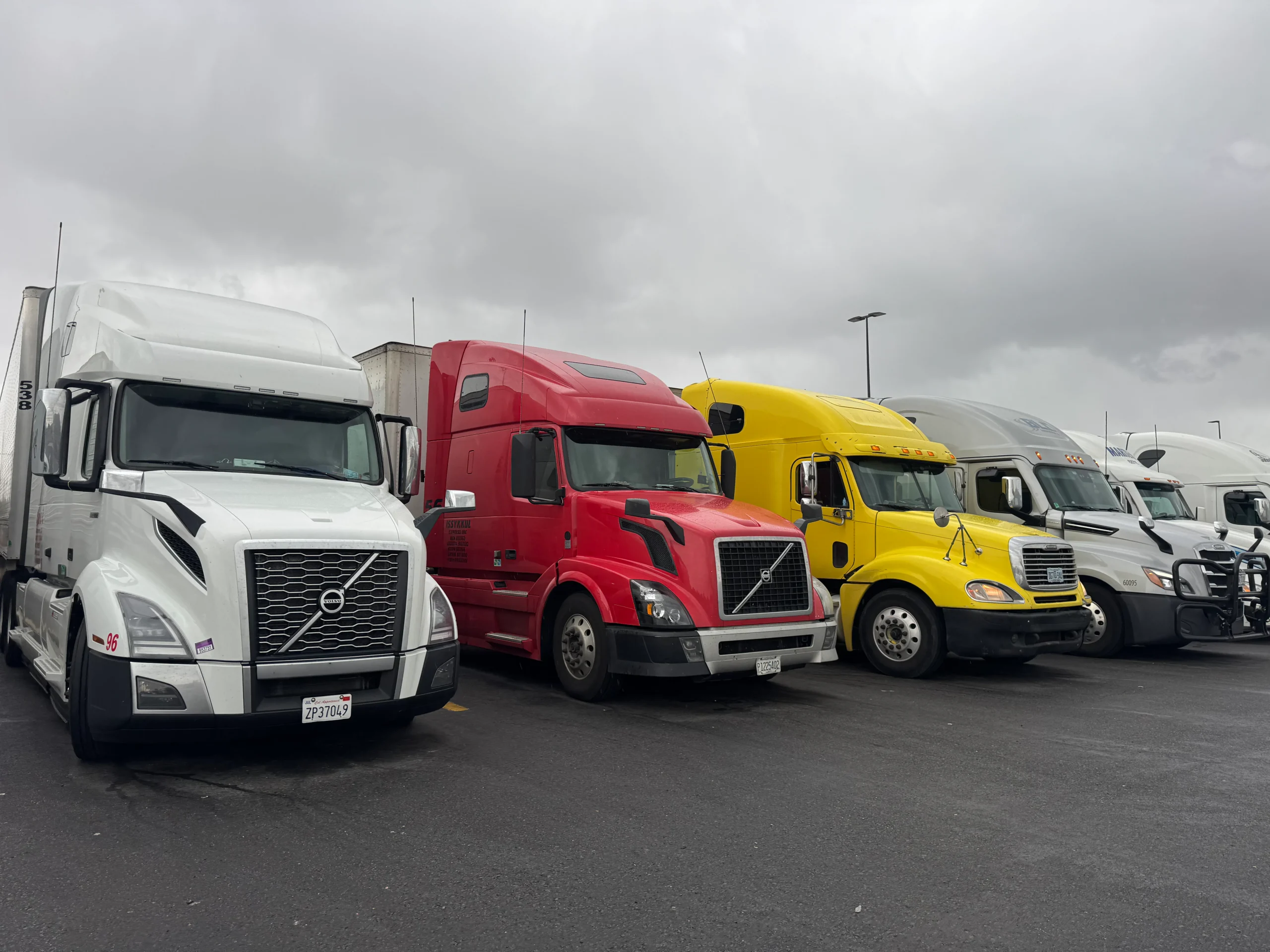
Station testing might seem cheaper upfront, but the real cost includes fuel, wages, and downtime. Mobile testing changes the math for fleet operators.
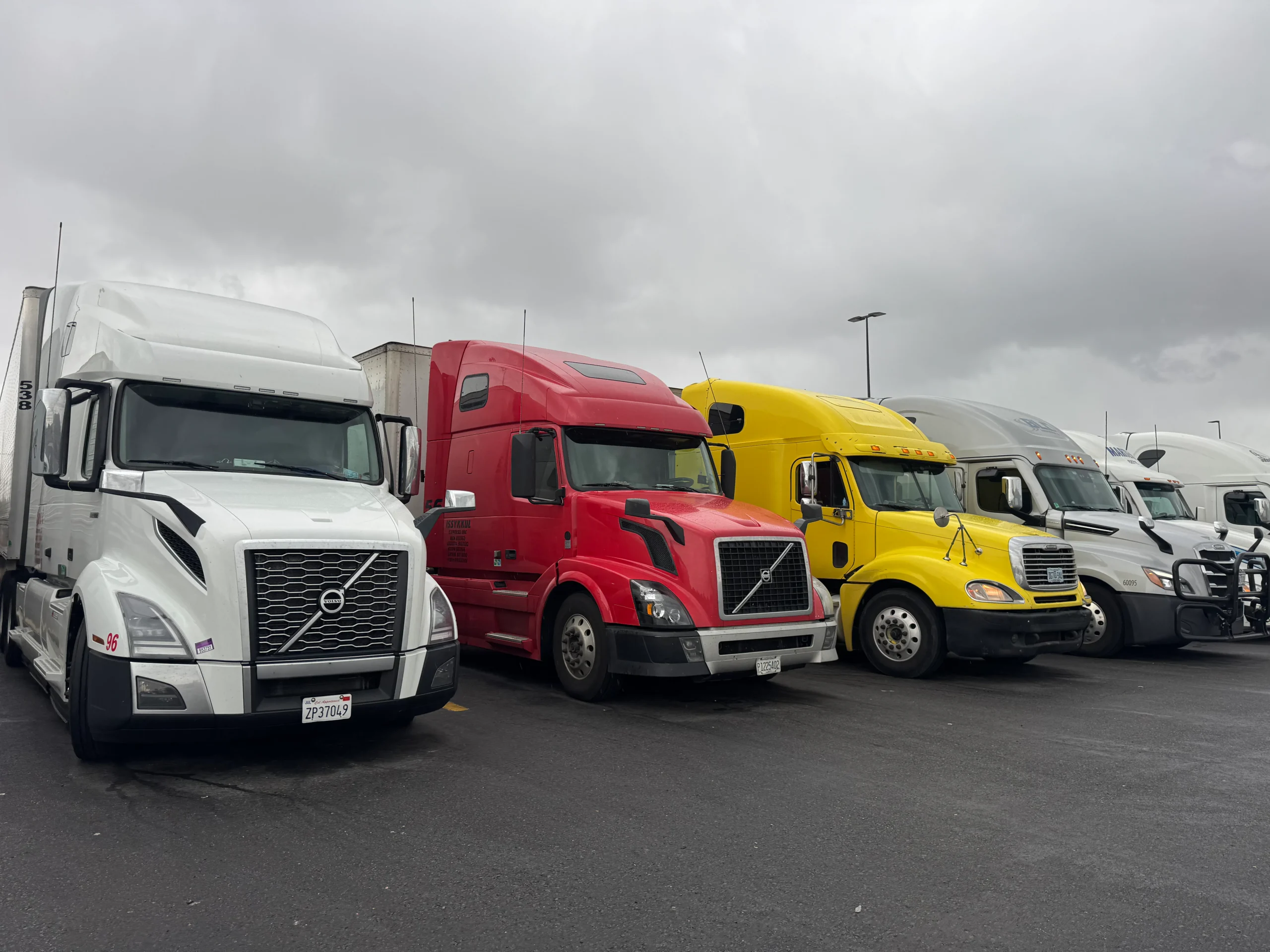
You’ve got trucks that need Clean Truck Check testing. You’ve got deadlines from CARB. And you’ve got a business to run that doesn’t stop just because California requires semi-annual emissions compliance.
The question isn’t whether you need testing. It’s how you get it done without hemorrhaging time and money in the process.
Station testing and mobile emissions testing both get you compliant. But they cost your operation very differently. Here’s what you’re actually paying for with each option—and what that means when you’re running 5, 10, or 40 trucks across Los Angeles County.
The test itself might run $50 to $150 for a heavy-duty truck at a CARB-certified station in Los Angeles County. Some places charge more. That number shows up on your invoice, so it’s easy to track.
But that’s not what the test costs you. Not even close.
You’re paying a driver to take the truck there. You’re covering fuel for the round trip. You’re losing whatever revenue that truck would’ve generated during those hours. And if you’ve got multiple trucks due for testing, you’re either coordinating a logistics nightmare or accepting that this is going to take days.
Mobile emissions testing brings the CARB-credentialed tester and the certified OBD equipment to your location. Your yard. Your warehouse. Wherever your trucks are parked.
The test fee might be higher than a station visit. You’ll see quotes ranging from $150 to $300 per truck depending on the provider and your location in Los Angeles County or Riverside County.
But here’s what you’re not paying for: driver wages to babysit a truck at a testing station. Fuel for a round trip. Lost productivity while that truck sits idle. Coordination headaches when you’ve got a fleet that all needs testing within the same compliance window.
A mobile tester can knock out 15 to 40 trucks in a single day at your location. Each test takes 10 to 15 minutes. Results get submitted electronically to the CTC-VIS database right there. Your trucks never leave the yard.
For a fleet operator, that’s not just convenient. It’s a completely different cost equation. When a truck is earning $500, $1,000, or more per day on the road, every hour it’s out of service has a price tag. Mobile testing eliminates most of that downtime.
You’re comparing a $50 station fee plus three hours of lost time against a $200 mobile fee with 15 minutes of downtime. The math isn’t close.
If you’re running one truck, a station visit might make sense. You drive it over, wait your turn, get tested, and you’re done. It’s a hassle, but it’s a one-time hassle.
If you’re running 10 trucks, that hassle multiplies. You’re either pulling 10 trucks off routes over 10 different days, or you’re coordinating a convoy to a testing station and hoping they can handle the volume. Either way, you’re managing logistics instead of running your business.
Fleet emissions testing through a mobile provider solves that problem. The tester shows up at your facility with everything needed to test your entire fleet. You schedule a single appointment. They work through your trucks systematically. You get compliance certificates for everyone in one day.
The per-truck cost might be higher than a station. But the total cost—when you factor in coordination time, lost productivity, and operational disruption—is almost always lower. Especially in Los Angeles County where traffic can turn a 30-minute drive into a two-hour ordeal.
Mobile testing also gives you flexibility around CARB’s 90-day early submission window. You can schedule testing well before your deadline, get passing results submitted to the CTC-VIS system, and avoid the last-minute scramble when registration renewal notices start arriving. That kind of planning is harder to pull off when you’re dependent on station availability and your own scheduling constraints.
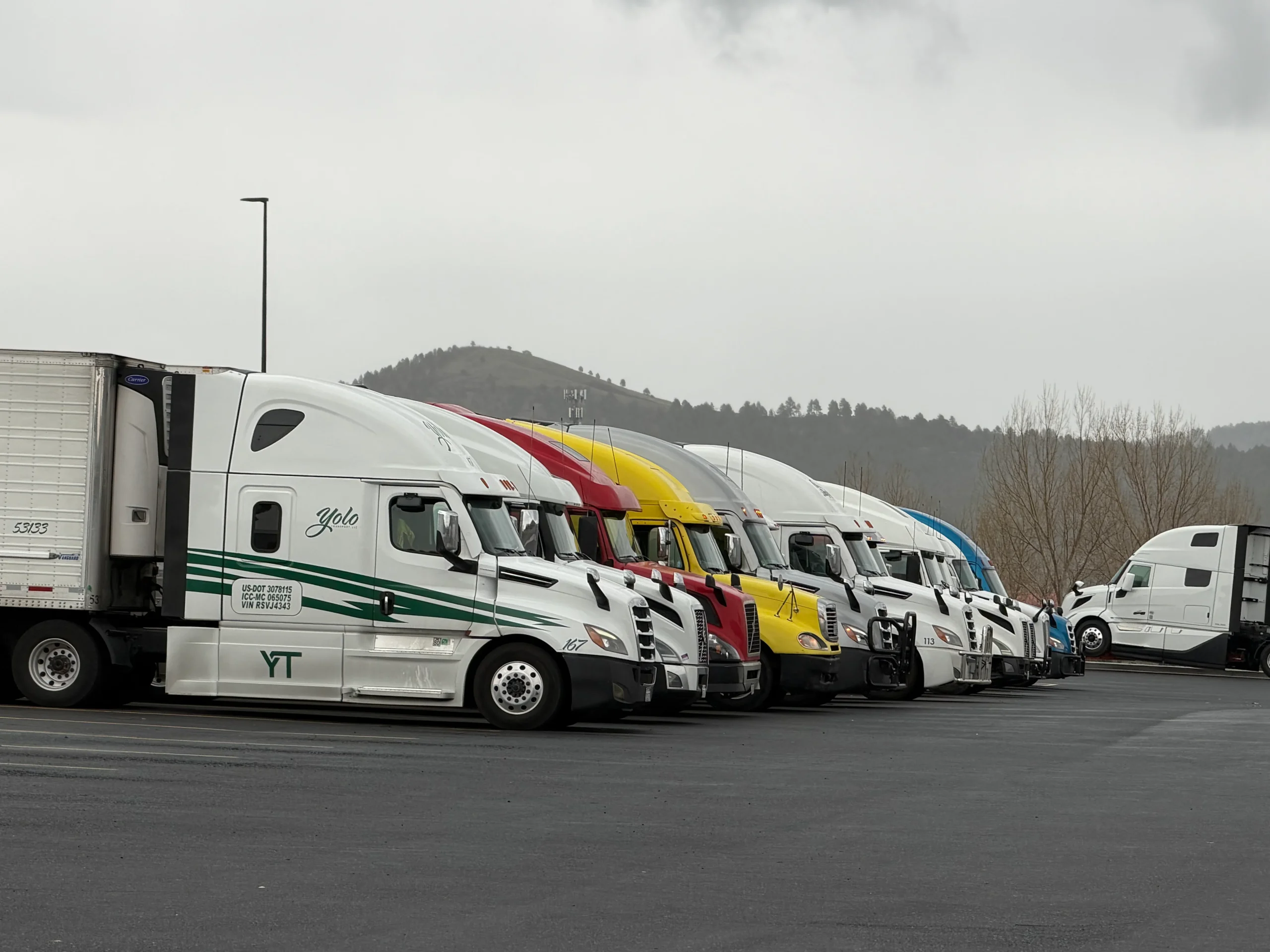
Let’s put actual numbers to this. Say you’ve got a truck that generates $800 in revenue per day. That’s roughly $100 per hour when it’s working.
A station visit might take three hours door-to-door when you account for drive time, wait time, and the test itself. That’s $300 in lost revenue. Add a $75 test fee and $40 in fuel and driver wages, and you’re at $415 total cost.
On site emissions testing might charge $200 for the same truck. The tester comes to you. The truck is out of service for 15 minutes. You’ve lost maybe $25 in potential revenue. Total cost: $225.
The obvious costs are easy to calculate. Test fee, fuel, driver time. But there are hidden costs that don’t show up on a spreadsheet until you’ve been through a few compliance cycles.
Scheduling friction is one. You need to coordinate when the truck is available, when the station is open, when your driver can make the trip. If something doesn’t line up, testing gets delayed. Miss your compliance deadline and you’re looking at DMV registration holds that can ground your entire fleet.
Failed tests are another hidden cost. If a truck fails at a station, you’ve already paid for the trip and the test. Now you need repairs, and then you need to make that trip again for a retest. Mobile providers often include follow-up visits or reduced retest fees because they’re already coming to your location.
Then there’s the compliance tracking burden. When you’ve got multiple trucks with different testing schedules, keeping track of who needs testing when becomes a part-time job. Mobile providers often handle reminders and scheduling proactively because it’s in their interest to keep you compliant and keep your business.
Station testing puts all of that management work on you. Mobile testing offloads a lot of it to the provider. That’s not a line item on an invoice, but it’s real value when you’re trying to run a trucking operation and not a compliance department.
Pricing for mobile emissions testing in Los Angeles County typically runs between $150 and $300 per heavy-duty truck. The variation depends on your location, how many trucks you’re testing, and how quickly you need service.
Providers serving Los Angeles County and Riverside County often offer volume discounts for fleets. Test 10 trucks at once and you might pay $175 per truck instead of $250. Test 40 trucks and the per-unit cost drops further.
Emergency or after-hours testing costs more. If you need a truck tested on a Sunday because you’ve got a Monday deadline, expect to pay a premium. But that premium is still usually cheaper than the alternative—which is a truck that can’t legally operate until you can get it to a station during business hours.
The annual CARB compliance fee is separate from testing costs. That’s $31.18 per truck in 2025, and it goes up slightly each year with California’s Consumer Price Index. You pay that regardless of whether you use a station or mobile testing.
What you’re really paying for with mobile emissions testing is convenience, speed, and operational continuity. The test itself is identical—same CARB-certified equipment, same credentialed testers, same electronic submission to the CTC-VIS database. The difference is where it happens and what that means for your business.
For most fleet operators in Los Angeles County, the higher per-test fee for mobile service pays for itself in the first truck. By the time you’re testing your fifth or tenth truck, the cost savings become undeniable.