
Check Out Our Reviews!

For owner-operators and small fleet managers in Lomita, the Clean Truck Check isn’t a formality it’s a direct line between your truck and your income. CARB transmits non-compliant VINs to the DMV every night. One missed deadline and you’re looking at a registration hold that could pull you off a port run before you even know it happened.
Lomita sits a few miles from the Port of Los Angeles in San Pedro and within easy reach of the Port of Long Beach. That proximity is what makes this area one of the most active drayage corridors in the country and it’s exactly why CARB enforcement here is real, consistent, and not something you want to find out about the hard way. The trucks running Western Avenue and PCH every morning are the trucks this program was built around.
When your test is done and we submit it directly to CARB’s CTC-VIS database, your VIN shows as compliant before the next DMV update runs. No paperwork on your end. No portal to log into. No wondering if it went through. You get back to work knowing the compliance side is handled and that’s the whole point.
We do one thing: Clean Truck Check OBD testing for heavy-duty commercial vehicles that are model year 2013 or newer with a GVWR over 14,000 pounds. That’s it. There’s no passenger car smog service on the side, no oil changes, no upsells. Just the specific CARB-credentialed testing that your truck actually requires under the HD I/M program.
The smog check shops along Pacific Coast Highway and Western Avenue in Lomita are set up for passenger cars. They’re not equipped or credentialed for what your commercial truck needs and that distinction matters when your compliance has DMV consequences attached to it. We’re listed on CARB’s official credentialed tester registry at arb.ca.gov, which you can verify before you ever pick up the phone.
We serve Los Angeles County, including Lomita and the surrounding South Bay communities, and our operation is fully mobile. The equipment comes to your truck wherever it’s staged, parked, or sitting between runs.
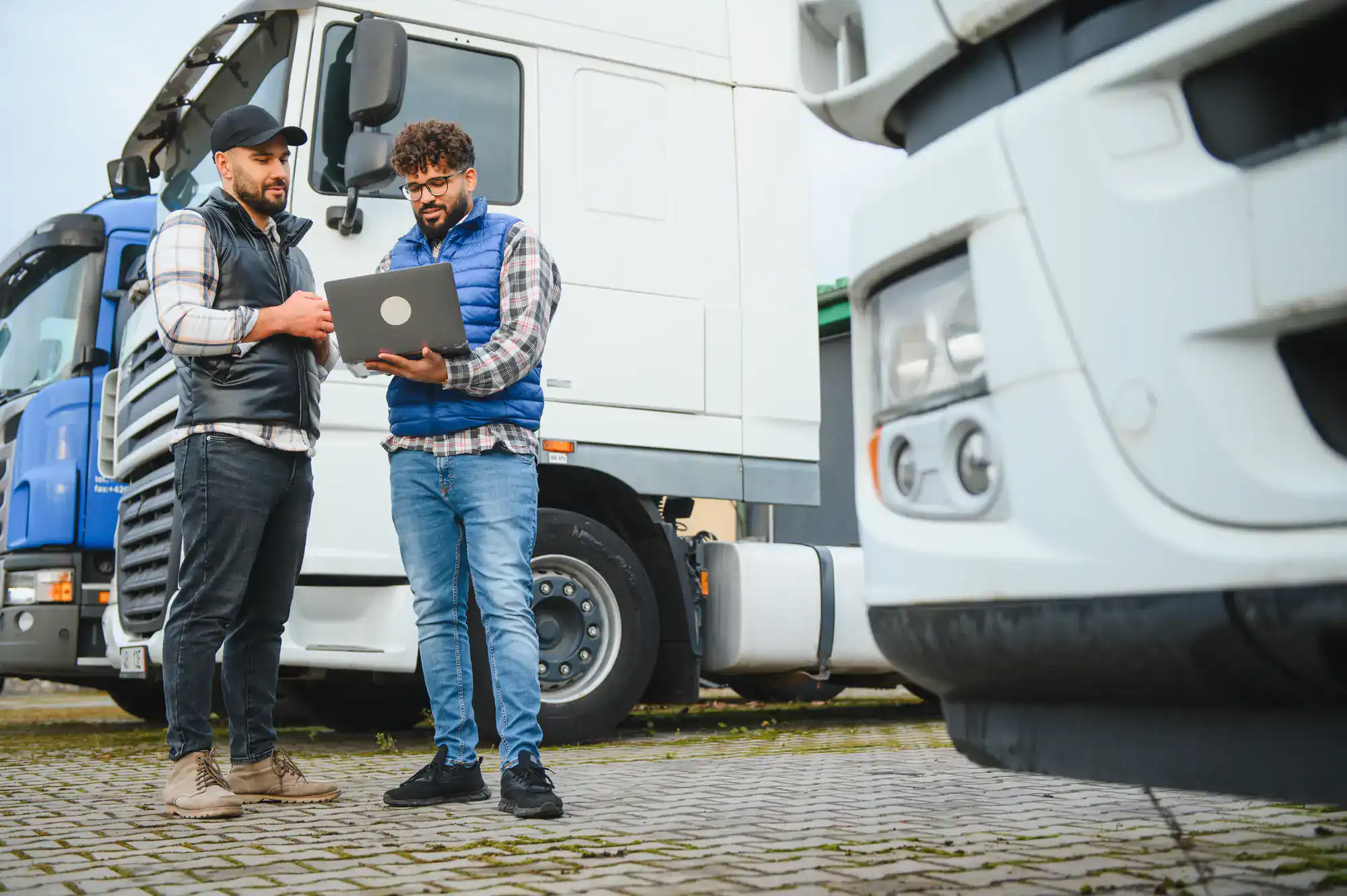
It starts with a quick call or booking. You give us the truck’s year, make, VIN, and where it’s located whether that’s a yard in Harbor City, a lot off Western Avenue, or a staging area near the port. Because we offer fully mobile service, you don’t need to move the truck anywhere. We come to it.
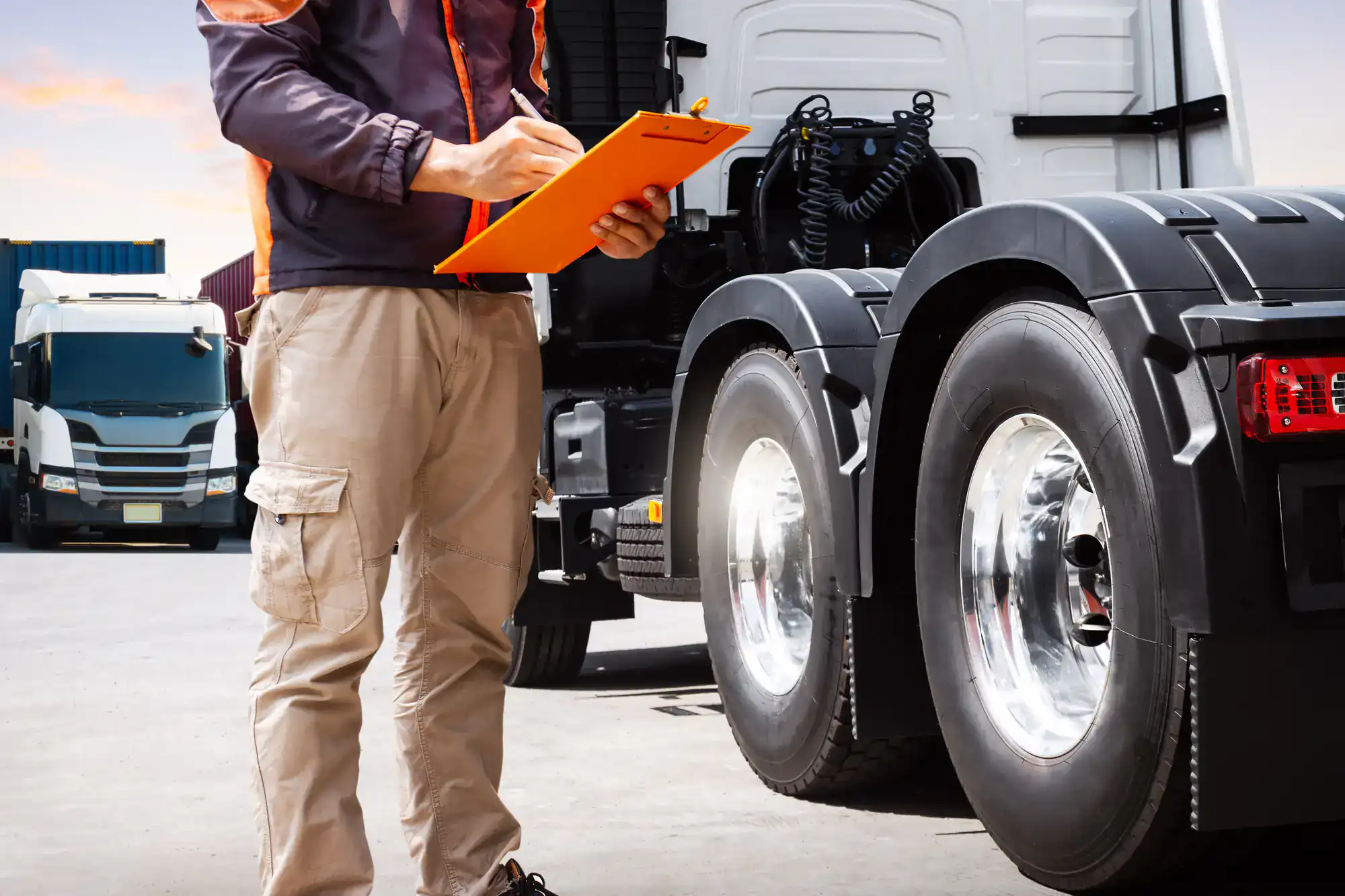
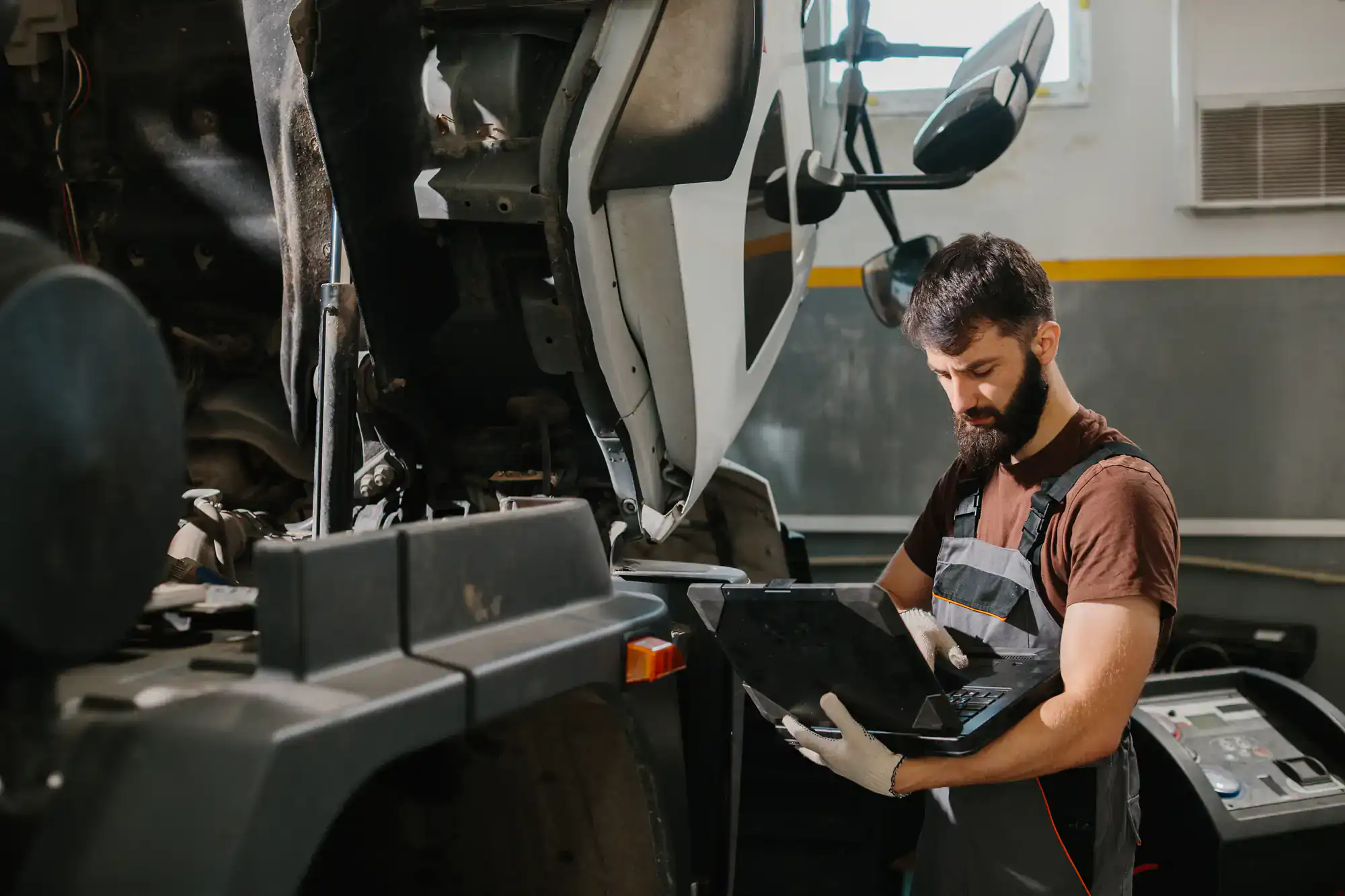
When we arrive, we connect CARB-certified OBD test equipment directly to the truck’s diagnostic port. This isn’t a general scanner it’s a device with a CARB Executive Order, which is the only kind that produces a test result CARB will actually accept in the CTC-VIS system. The test reads the truck’s onboard emissions data, checks for fault codes, and confirms whether the vehicle meets the current CARB standard for your model year. The process is straightforward and doesn’t require the truck to be taken apart or put on a lift.
Once the test is complete, we submit the results electronically to CARB’s CTC-VIS database on your behalf. You don’t touch a portal. You don’t upload anything. CARB receives the data, your VIN is logged as compliant, and that information flows to the DMV in their next nightly update. In the South Coast Air Basin where SCAQMD oversight and port-adjacent enforcement make diesel compliance more scrutinized than almost anywhere else in the state having that submission confirmed the same day you test is not a small thing.
Ready to get started?
The Clean Truck Check program applies to diesel and alternative fuel heavy-duty vehicles with a GVWR over 14,000 pounds that are model year 2013 or newer. If your truck was built before 2013 or falls under the 14,000-pound threshold, this program does not apply and we do not test those vehicles. That specificity matters, because the wrong test from the wrong provider still leaves you non-compliant.
Right now, OBD-equipped vehicles are required to test twice per year semi-annually. Starting October 1, 2027, that increases to four times per year. For Lomita-area fleet operators running multiple trucks on port routes out of San Pedro and Long Beach, that’s a meaningful jump in testing volume. Getting a reliable mobile testing relationship in place now, before the quarterly schedule kicks in, is the kind of thing that prevents a compliance scramble two years from now.
One thing worth clarifying upfront: the $31.18 annual CARB compliance fee and the emissions test are two completely separate requirements. Paying the fee does not mean you’ve tested. Both are mandatory. This is one of the most common misunderstandings among truck owners who are newer to the program, and it’s led to registration holds for operators who genuinely thought they were covered. We handle the test and the direct submission to CARB the fee registration is on your end, but we’ll make sure you understand the difference before we leave.
If your truck is a 2013 or newer diesel with a GVWR over 14,000 pounds and it operates on California public roads, yes it’s subject to the Clean Truck Check program regardless of where it’s registered. That includes out-of-state trucks that regularly run California routes, which is relevant for operators moving freight through the San Pedro Bay port complex near Lomita.
The program is enforced through DMV registration. CARB sends updated compliance data to the DMV every night, so a non-compliant VIN can result in a registration hold without much warning. For drayage operators based in or near Lomita who depend on daily port access, that’s not an abstract risk it’s a real operational threat. If you’re not sure whether your specific truck qualifies, the VIN lookup tool on CARB’s CTC website will tell you exactly where you stand.
A failed test means your truck’s onboard diagnostic system detected emissions-related fault codes that exceed CARB’s current standard. The most common causes are a stored fault code from a sensor issue, a recent battery disconnect that cleared readiness monitors, or an actual emissions system problem that needs repair. The test result is submitted to CARB either way a fail is recorded, but it doesn’t automatically trigger a penalty on its own.
After a failure, you’ll need to address whatever caused the fault codes, clear them, and allow the truck’s system to run through its readiness cycle before retesting. That process takes some drive time typically a few days of normal operation. Once the monitors are ready, you can schedule a retest. Given how close Lomita is to active port routes, most trucks accumulate the necessary drive cycles quickly just through normal runs. We can walk you through what the failure codes mean and what to expect before your retest.
Currently, OBD-equipped vehicles which includes 2013 and newer diesel trucks are required to test twice per year, on a semi-annual schedule. That’s where the program stands through 2027. Starting October 1, 2027, the requirement increases to four times per year for OBD vehicles. That’s a significant change, and it’s worth planning around now rather than later.
For fleet managers in the South Bay running multiple trucks on port routes, quarterly testing across a full fleet is a real logistical consideration. Our mobile model makes that frequency more manageable we come to your trucks at your location, which means you’re not coordinating vehicle repositioning four times a year per truck. If you have more than a handful of vehicles, it’s worth having a conversation now about how to structure a testing schedule that keeps you ahead of every deadline.
Yes, and this is one of the more practical aspects of working with a mobile tester. A lot of truck operators who live in Lomita stage their vehicles at yards in Harbor City, lots near the I-110 corridor, or facilities in Carson or Torrance. The truck doesn’t need to be at a fixed address in Lomita it just needs to be accessible at a location where we can pull up and connect to the diagnostic port.
When you book, you give us the location where the truck will be. We schedule around that. Whether it’s a private yard, a commercial lot, or a staging area near the port, the process is the same. The only thing that matters is that the truck is a 2013 or newer diesel or alternative fuel heavy-duty vehicle with a GVWR over 14,000 pounds. Location within the South Bay and greater Los Angeles County is not a barrier.
No, and this is one of the most important things to understand about the program. The $31.18 annual compliance fee and the OBD emissions test are two entirely separate requirements. Paying the fee registers your vehicle in the program, but it does not satisfy the testing requirement. You have to do both and if you’ve only paid the fee without submitting a passing test, your VIN is not in CARB’s compliant list.
This misunderstanding is especially common among truck owners who enrolled in the program before full testing enforcement began in 2024. They paid the fee, assumed they were done, and then found out later sometimes through a DMV registration hold that the test was still outstanding. If you’re not sure whether a passing test has been submitted for your truck, you can check your vehicle’s compliance status directly through CARB’s CTC-VIS portal using your VIN. We handle the test and the direct electronic submission to CARB but the fee registration is a separate step that needs to be completed on your end through CARB’s website.
Testing rates for a Clean Truck Check OBD test typically run in the range of $95 to $150 per vehicle, depending on the specifics of the job and whether you’re scheduling for a single truck or multiple vehicles. For fleet operators in the South Bay running several trucks on port routes, it’s worth asking about scheduling multiple vehicles in the same visit consolidating testing into a single appointment reduces the per-vehicle logistics burden significantly.
What’s worth keeping in perspective is the cost comparison. A single missed compliance deadline that results in a DMV registration hold can sideline a truck from port terminal access entirely. CARB penalties for non-compliance can reach up to $10,000 per vehicle per day in enforcement actions. The cost of the test is not the financial risk in this equation the cost of skipping it is. For Lomita-area owner-operators whose income depends on daily port runs, the test is one of the lower-cost line items in the operation. The downtime and penalties that come from ignoring it are not.
Useful Links
Other Services we provide in Lomita