
Check Out Our Reviews!

You avoid registration holds. You dodge fines that start at $10,000 per vehicle, per day. Your trucks stay on California roads legally, and your fleet keeps generating revenue instead of sitting in a yard waiting for paperwork to clear.
This isn’t about checking a box. It’s about protecting your ability to operate. California requires every heavy-duty truck—2013 or newer diesel, 2018 or newer alternative fuel, over 14,000 pounds GVWR—to pass emissions testing through the Clean Truck Check program. Miss your deadline, and the DMV blocks your registration. Get flagged at a roadside inspection, and you’ve got 30 days to test and pass or face enforcement.
Passing means your vehicle gets reported as compliant in the state’s CTC-VIS system. That’s what keeps inspectors off your back and your business moving. You’re not gambling on whether your truck will pass when it matters most. You’re getting it done right, with a CARB-credentialed tester who knows exactly what the state is looking for.
We operate in La Verne, right in the heart of Southern California’s commercial transportation corridor. We’ve been handling emissions testing for years, and we understand what fleet operators and owner-operators deal with when it comes to CARB regulations.
Our testers hold current CARB credentials. That means they’ve passed the state’s credentialed tester exam and they’re authorized to perform Clean Truck Check testing using approved OBD diagnostic equipment. When we submit your passing test to the state system, it counts. No questions, no delays.
La Verne sits along major freight routes connecting the Inland Empire to Los Angeles County. Trucks move through here constantly, and the last thing you need is a compliance issue that pulls a vehicle out of rotation. We’re here because this is where the work is, and we’re set up to handle the volume and urgency that comes with keeping commercial fleets compliant.
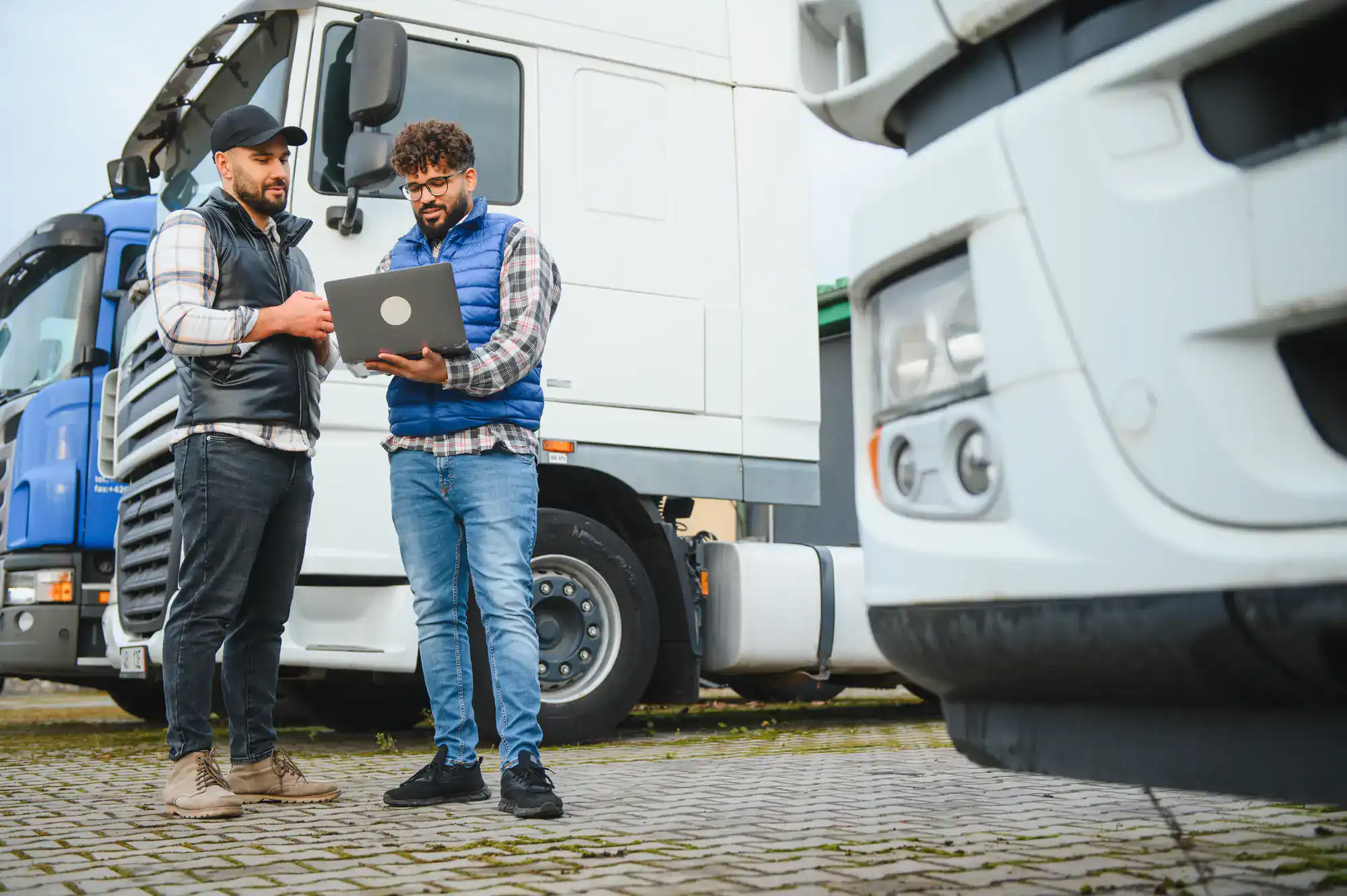
You bring your truck in, or we come to you if that’s what your operation needs. First, we verify your vehicle qualifies—model year 2013 or newer for diesel engines, 2018 or newer for alternative fuel, and over 14,000 pounds GVWR. If your truck doesn’t meet those specs, it’s not subject to Clean Truck Check, and we’ll tell you that upfront.
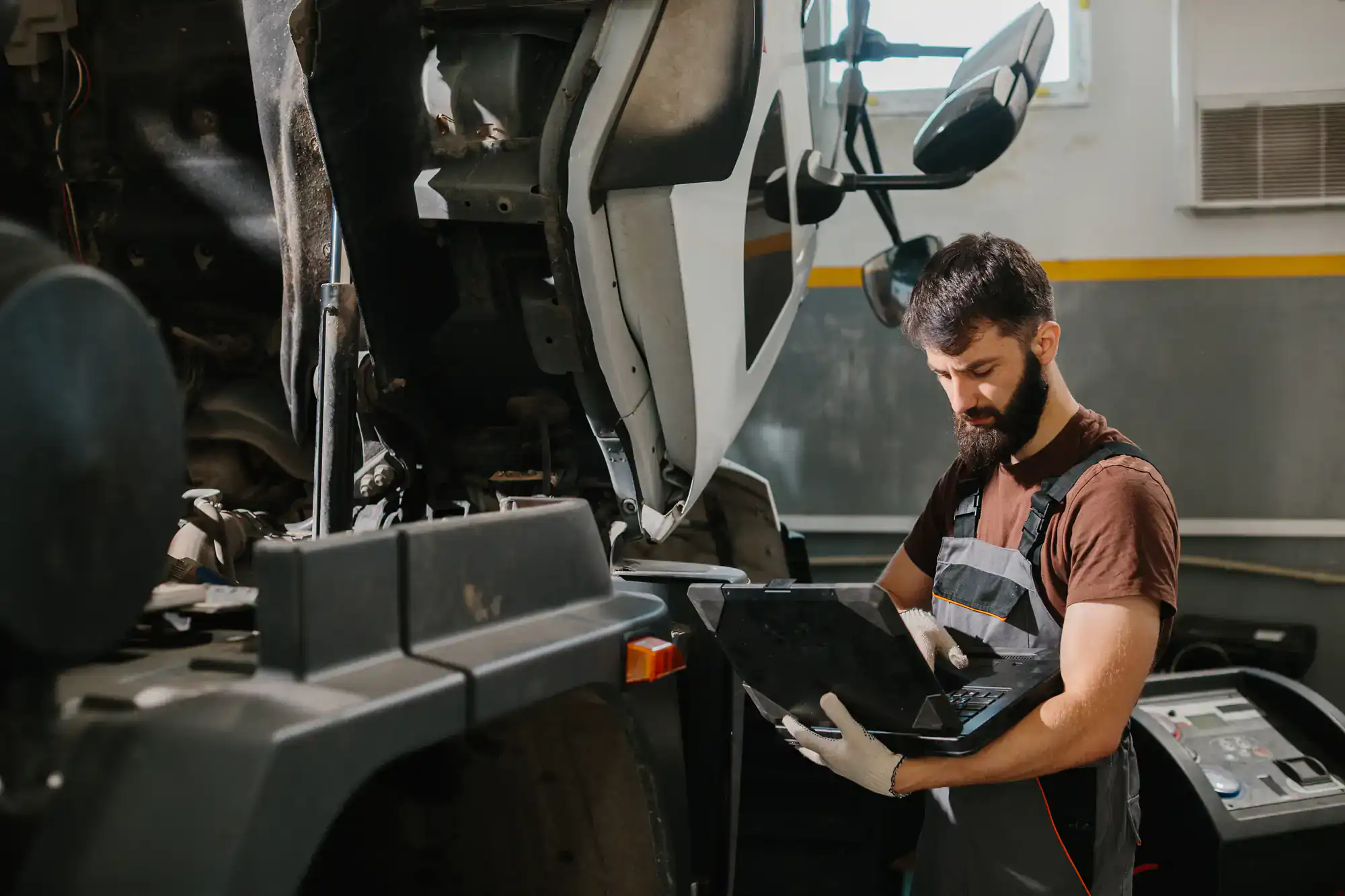
Next, we connect CARB-approved OBD testing equipment to your truck’s onboard diagnostics system. The device scans your engine data, checking for emissions-related fault codes and verifying that your emissions control systems are functioning properly. This isn’t a visual inspection or a tailpipe test. It’s a data pull directly from your truck’s computer.
If your truck passes, we submit the results to the state’s CTC-VIS database immediately. You’ll see your compliance status update, and you’re good until your next testing deadline. If there’s an issue—a fault code, a malfunction indicator, something that doesn’t meet CARB standards—we’ll tell you exactly what needs to be addressed before you can pass. No surprises, no runaround. You know where you stand and what needs to happen next.
Ready to get started?
You’re paying for a CARB-credentialed tester to perform an official emissions compliance test using state-approved equipment. That test gets reported to California’s CTC-VIS system, which is what the DMV and CARB enforcement check when they verify your truck’s compliance status.
You’re also paying to avoid the chaos that comes with non-compliance. In La Verne and across California, CARB conducts roadside inspections at border crossings, near ports, and around railyards. If your truck gets flagged by a roadside emissions monitoring device, you’ll receive a Notice to Submit to Testing. You’ve got 30 days to pass a Clean Truck Check or face registration holds and daily fines. Testing before you’re flagged keeps you ahead of enforcement.
Starting in 2025, every compliance deadline requires a passing emissions test. By October 2027, OBD-equipped trucks will need testing four times per year. Right now, you’re looking at semi-annual testing for most heavy-duty vehicles. That’s twice a year you need to prove compliance, and each test must happen within 90 days of your deadline. We handle the testing and reporting so you can focus on running your business, not chasing down compliance paperwork.
If your truck is a 2013 or newer diesel with a GVWR over 14,000 pounds, yes. If it’s a 2018 or newer alternative fuel truck over 14,000 pounds, yes. If it’s older or lighter than that, no—it’s not subject to Clean Truck Check requirements.
This applies to nearly all heavy-duty commercial trucks, buses, and other large vehicles operating on California roads. It doesn’t matter if your truck is registered in California or out of state. If you’re operating here, you’re subject to CARB’s Clean Truck Check program.
The state uses roadside emissions monitoring devices to screen trucks for high emissions. If your truck gets flagged, you’ll receive a Notice to Submit to Testing and you’ll have 30 days to pass. If you don’t, the DMV can block your registration and CARB can issue fines up to $10,000 per vehicle, per day. Testing on schedule keeps you out of that situation entirely.
Right now, most heavy-duty trucks subject to Clean Truck Check need testing twice a year. Your specific deadlines depend on your vehicle’s compliance schedule, which you can check in the CTC-VIS system using your VIN.
Starting in October 2027, OBD-equipped vehicles will be required to test four times per year. That’s a significant increase, and it means you’ll need a reliable testing provider who can handle higher frequency without disrupting your operations.
You can submit a passing test up to 90 days before your compliance deadline. That gives you a window to plan around your fleet’s schedule, but it also means you can’t wait until the last minute. If your truck fails and needs repairs, you’ll need time to fix the issue and retest before your deadline hits. Missing a deadline triggers registration holds and opens you up to enforcement penalties.
We’ll tell you exactly what caused the failure. Usually, it’s an emissions-related fault code or a malfunction in your truck’s emissions control system—something the OBD scan picked up that doesn’t meet CARB standards.
You’ll need to get the issue repaired before you can pass. That might mean fixing a sensor, addressing a DPF problem, or resolving a fault code that’s triggering a malfunction indicator. Once the repair is done, you’ll need to come back for a retest.
If you’re up against a compliance deadline, time matters. A failed test doesn’t get reported as compliant, which means your truck isn’t legal to operate until you pass. If you’ve already received a Notice to Submit to Testing from a roadside inspection, you’ve got 30 days from that notice to pass or face penalties. The sooner you address the failure, the sooner you’re back in compliance and back on the road.
No. Testing has to be performed by a CARB-credentialed tester using approved OBD testing equipment. Not every smog shop is set up for Clean Truck Check, and not every tester is credentialed to perform heavy-duty emissions testing.
In La Verne, CA, we have CARB-credentialed testers and the right equipment to handle Clean Truck Check for trucks over 14,000 pounds GVWR. We’re located in an area with heavy commercial traffic, which means we understand the urgency and logistics of keeping fleets compliant.
If you’re operating in Southern California, you need a testing location that’s accessible, reliable, and capable of submitting results to the state system without delays. You also need a provider who understands the regulations and can answer your questions without making you dig through CARB’s website for answers. That’s what we’re here for.
Testing costs vary depending on the provider, but you’re looking at a fee for the test itself plus the state’s annual $31 compliance fee. What matters more than the test cost is what non-compliance costs you.
A registration hold means your truck can’t legally operate in California. That’s lost revenue for every day it’s sidelined. If you get flagged at a roadside inspection and fail to test within 30 days, you’re facing fines up to $10,000 per vehicle, per day. Unplanned downtime can cost fleets up to $760 per vehicle, per day when you factor in missed deliveries, driver downtime, and operational disruptions.
The cost of testing is a known expense you can budget for. The cost of non-compliance is unpredictable and potentially catastrophic for your business. You’re not paying for a test—you’re paying to avoid the financial hit that comes with being out of compliance when it matters most.
A regular smog check is for passenger vehicles and light-duty trucks under 14,000 pounds. Clean Truck Check is specifically for heavy-duty vehicles—commercial trucks, buses, and other large vehicles over 14,000 pounds GVWR that are model year 2013 or newer for diesel, or 2018 or newer for alternative fuel.
The testing process is different, too. Clean Truck Check uses OBD diagnostic equipment to scan your truck’s emissions control systems and engine data. It’s not a tailpipe emissions test. It’s a data-driven evaluation of whether your truck’s emissions systems are functioning properly and meeting CARB standards.
The results also get reported differently. Clean Truck Check results go into the CTC-VIS database, which is what CARB and the DMV check for compliance. A regular smog check doesn’t satisfy Clean Truck Check requirements, and a Clean Truck Check isn’t the same as a standard smog test. If you’re operating a heavy-duty truck in California, you need Clean Truck Check—not a regular smog check.
Useful Links
Other Services we provide in La Verne