
Check Out Our Reviews!

When your truck is your income, a DMV registration hold isn’t a paperwork problem it’s a work stoppage. Trucks operating out of Home Gardens and the Corona area run some of the most active freight corridors in Southern California. The SR-91 and I-15 interchange right here in the 92879 area is a primary goods-movement route connecting the Inland Empire to the ports of Long Beach and Los Angeles. Every day your truck isn’t rolling is money you’re not making.
The Clean Truck Check program under California’s SB 210 requires covered vehicles model year 2013 or newer with a GVWR over 14,000 pounds to test twice a year right now, moving to four times a year starting October 2027. That’s a compliance calendar that doesn’t pause. Getting tested on your timeline, at your location, with results submitted directly to CARB’s CTC-VIS database means you stay on the road without rearranging your entire week around it.
The Riverside County Northwest Region which includes Home Gardens has one of the highest concentrations of distribution, construction, and logistics workers in the state. CARB knows this corridor well, and enforcement here is real. A credentialed test with certified OBD equipment isn’t optional. It’s the only test that actually counts.
We do one thing: OBD-based Clean Truck Check testing for 2013 and newer heavy-duty trucks with a GVWR over 14,000 pounds. That’s it. No passenger cars, no opacity tests for older rigs, no side services. Just the one test that CARB requires for your covered vehicle done with certified equipment, by a credentialed tester, with direct CTC-VIS submission every single time.
Serving Home Gardens and the Riverside County area means knowing this region the industrial yards off Magnolia Avenue, the owner-operators staging out of Corona, the fleet managers running trucks through the I-15 corridor daily. Home Gardens sits right in the middle of one of the most freight-active zones in the county, and the trucks here don’t have time for a tester who doesn’t know what they’re doing.
You can verify our credentials directly on CARB’s official website before you ever book. That’s not a sales pitch it’s a publicly searchable fact.
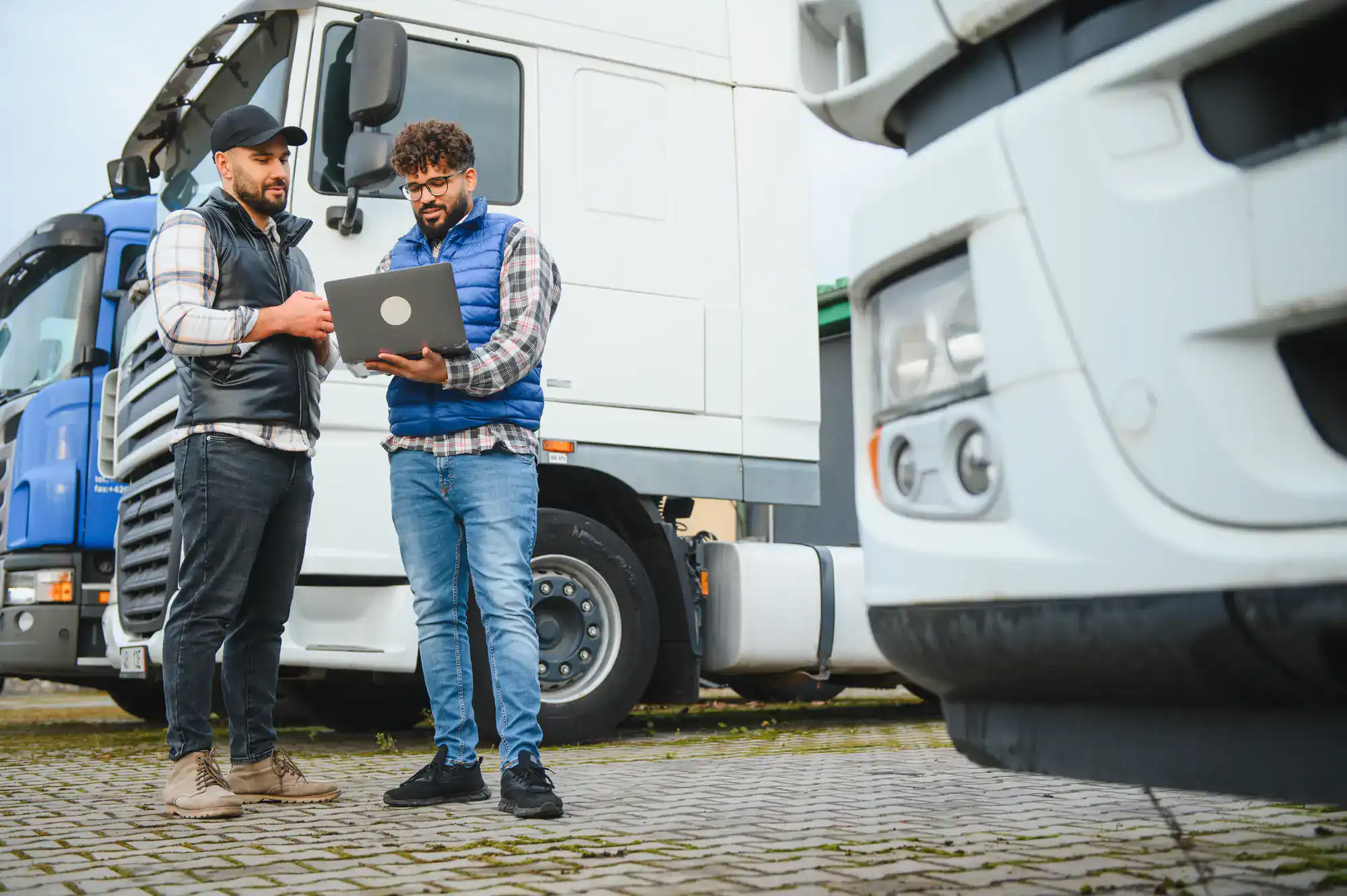
It starts with a quick booking. You give us the location of your truck whether that’s a yard in the Home Gardens area, a job site near Corona, or a residential driveway off the 92879 and we come to you. No drop-off, no dead miles, no waiting room.
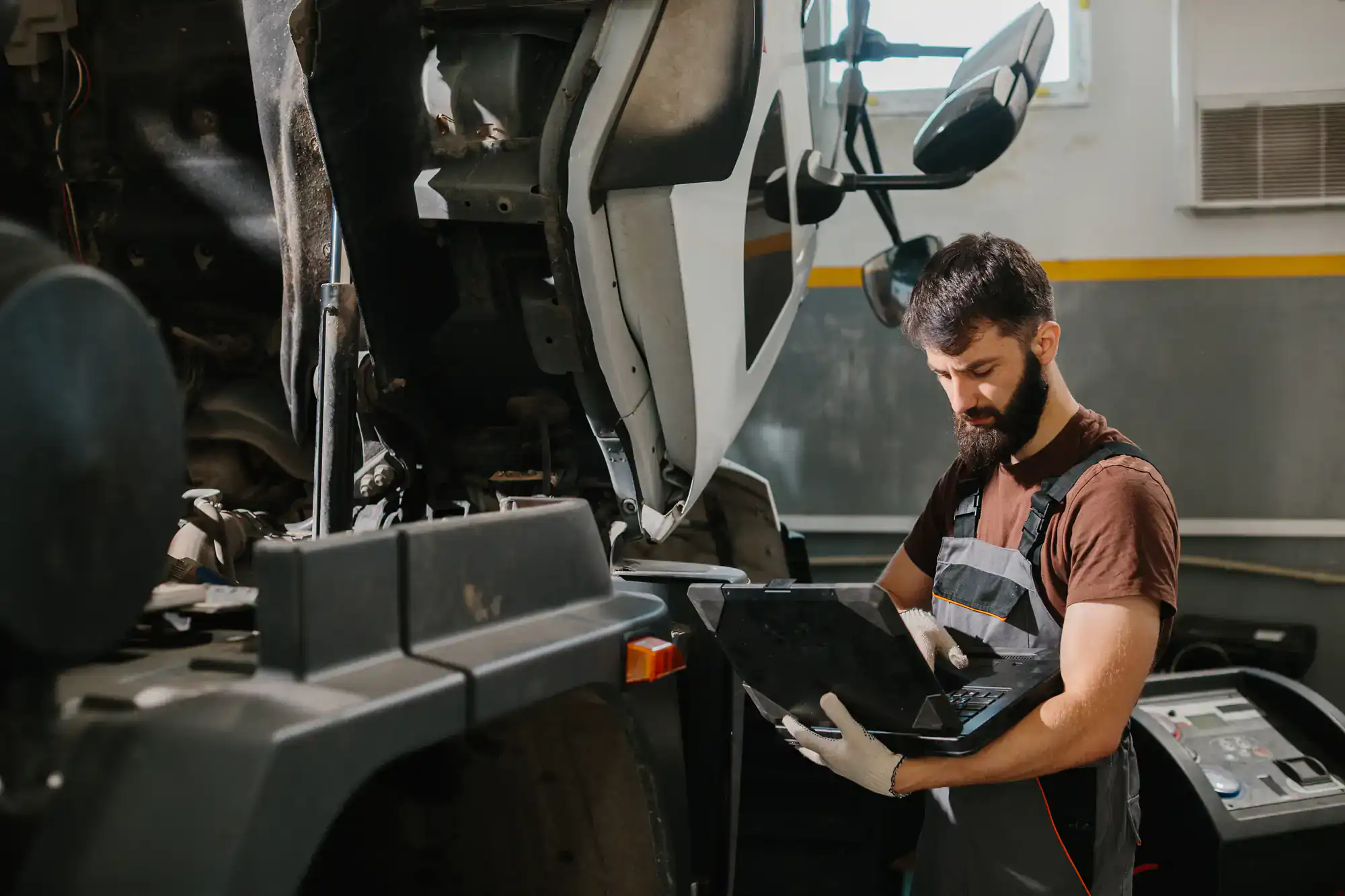
On-site, the OBD diagnostic equipment connects directly to your truck’s ECU. The device we use is CARB Executive Order certified meaning the data it pulls is the data CARB will accept. The test reads your truck’s onboard diagnostic system for emissions-related fault codes and readiness monitors. For 2013 and newer trucks with a GVWR over 14,000 pounds, this is the test that matters. Older trucks or lighter vehicles don’t fall under this program, so if you’re unsure whether your specific rig qualifies, it’s worth confirming before scheduling.
Once the test is complete and your truck passes, we submit the results electronically to CARB’s CTC-VIS database immediately not handed to you to figure out the portal yourself. CARB then transmits compliant VIN data to DMV nightly, and your DMV records typically reflect compliance within 3 to 5 business days. You can also log into your own CTC-VIS account right after submission to confirm your status before DMV catches up useful if you’re managing a tight deadline or responding to a Notice to Submit to Testing with a 30-day clock running.

Ready to get started?
The Clean Truck Check program applies to diesel and alternative-fuel heavy-duty vehicles that are model year 2013 or newer with a GVWR over 14,000 pounds. If your truck meets both of those criteria and it operates in California, it’s covered regardless of whether you’re based in an incorporated city or an unincorporated community like Home Gardens. CARB’s rules don’t stop at city limits.
What we provide is the complete testing service: CARB-credentialed tester, CARB-certified OBD equipment with Executive Order approval, on-site mobile testing at your location in the Riverside County area, and direct electronic submission to CTC-VIS. You don’t submit anything yourself. You don’t navigate the portal. The test gets done, the results go to CARB, and you get confirmation.
The annual CARB compliance fee is $31.18 per vehicle that’s paid directly to CARB through your CTC-VIS account and is separate from the testing fee. Testing is currently required twice a year. Starting October 1, 2027, OBD-equipped vehicles move to quarterly testing four times a year. For fleet operators managing multiple trucks in the Home Gardens and Corona area, that frequency change is significant. Building a consistent testing relationship now, before that shift happens, means you’re not scrambling to find a credentialed mobile tester when the schedule doubles.
If your truck is model year 2013 or newer and has a GVWR over 14,000 pounds, it’s covered under California’s Clean Truck Check program and that applies whether you’re operating out of an incorporated city or an unincorporated community like Home Gardens. The program is a state-level CARB requirement, not a city ordinance, so there’s no municipal boundary that changes your obligation.
Home Gardens falls within Riverside County’s Northwest Region, which CARB treats as part of the South Coast Air Basin one of the agency’s highest-priority enforcement zones in the state. If your truck runs the SR-91 or I-15 corridors regularly, you’re operating in a region where enforcement is active and DMV registration holds for non-compliance are real. If you’re not sure whether your specific vehicle qualifies, the quickest way to confirm is to check your truck’s model year and GVWR against those two criteria. Both have to apply model year 2013 or newer, and GVWR over 14,000 pounds.
Missing your compliance deadline puts your DMV registration at risk. CARB shares non-compliant VIN data with the DMV, which can result in a registration hold that prevents renewal and depending on the situation, your truck could be pulled out of service. Fines for non-compliance can reach up to $10,000 per vehicle per day, which is not a range anyone wants to test.
If you’ve already received a Notice to Submit to Testing from CARB, you have exactly 30 calendar days to submit a passing test. That clock doesn’t pause. For truck operators in Home Gardens and the Corona area who are running tight schedules on the I-15 and SR-91 freight corridors, 30 days sounds like enough time until it isn’t. The fastest path forward is a mobile tester who can come to your location, run the test with certified equipment, and submit the results to CTC-VIS the same day so you’re not spending your deadline window trying to coordinate a shop visit.
Yes and this is one of the most useful things to know about the program. CARB allows passing test results to be submitted up to 90 days before your compliance deadline. That means you don’t have to wait until the deadline is close. You can schedule testing when it’s convenient when your truck is in the yard, when your driver has a gap in the schedule, when it fits your operation and bank the compliance credit well in advance.
For fleet operators in the Home Gardens area managing multiple trucks across the Riverside County market, this 90-day window is a real planning tool. You can spread testing across the calendar rather than trying to get every truck tested in the same week before a deadline hits. It also gives you a buffer if a truck doesn’t pass on the first attempt time to address whatever’s flagging in the OBD system and retest before the actual deadline creates a compliance problem.
The OBD portion of the test itself is relatively quick typically 20 to 30 minutes once the tester is on-site and connected to your truck’s diagnostic port. The total time depends on your truck’s readiness monitors and whether any fault codes are present, but for a truck that’s in good working order, the process moves fast.
Because we’re fully mobile and come to your location in the Home Gardens and Riverside County area, you’re not adding drive time, wait time, or shop time on top of the test itself. The tester arrives, connects the CARB-certified OBD device, runs the diagnostic, and submits the results to CTC-VIS electronically before leaving your site. For owner-operators running routes off the SR-91 or I-15 who can’t afford to pull a truck out of rotation for half a day, that efficiency matters. You schedule it at your yard or lot, the test gets done, and your truck gets back to work.
A failed test means your truck’s OBD system flagged something either an active fault code or a readiness monitor that hasn’t completed its drive cycle. It doesn’t automatically mean a major repair. Sometimes it’s as straightforward as a pending monitor that needs a specific drive cycle to clear, or a minor sensor issue that a shop can address quickly.
What it does mean is that you’ll need to get the underlying issue resolved and retest before your compliance deadline. In the Home Gardens and Corona area, there are repair shops that handle heavy-duty diesel diagnostics and some specifically work with CARB compliance repairs. Once the repair is done and the OBD system shows the relevant monitors as ready, you can schedule a retest. The important thing is not to let a failed test sit. If you’re already close to a deadline or working through a Notice to Submit to Testing, time matters. Address the issue, retest, and get the passing result submitted to CTC-VIS before the clock runs out.
We serve Riverside County, which includes Home Gardens and the surrounding Corona area. Because our service is fully mobile, there’s no fixed shop location you need to reach we come to wherever your truck is parked in the service area, whether that’s a residential address in the 92879 zip code, an industrial yard near the I-15 corridor, or a job site in the broader Northwest Region.
Home Gardens is an unincorporated community within Riverside County, which means it doesn’t have its own city-level compliance programs or local ordinances layered on top of CARB’s state requirements. The only rules that apply here are CARB’s and we’re credentialed and equipped to meet exactly those requirements. For truck owners in this community who are used to dealing with county-level services rather than a city hall, working with a Riverside County-based mobile tester who handles the full process test, submission, CTC-VIS confirmation is a straightforward fit.
Useful Links
Other Services we provide in Home Gardens