
Hear from Our Customers

Starting January 1, 2024, every heavy-duty truck operating in California must pass Clean Truck Check testing or face fines up to $10,000 per vehicle per day. That’s not a scare tactic—it’s the regulation, and CARB isn’t issuing warnings before they issue penalties.
If your semi truck or heavy-duty vehicle is model year 2013 or newer with a GVWR over 14,000 pounds, you’re required to comply. Miss your testing window and your registration gets flagged. Your truck sits, you lose revenue, and the fines keep adding up.
We come to you in View Park-Windsor Hills with mobile CARB certified smog check services that keep your fleet compliant without pulling trucks off routes. You schedule the test, we show up, and your drivers keep moving. No waiting at testing centers, no guessing about whether you’re meeting the latest CARB truck regulations.
Testing frequency ramps up fast—once in 2024, twice in 2025, and four times per year starting July 2027. Getting ahead of this now means you’re not scrambling when deadlines hit.
All SMOG Motors has been handling diesel emissions testing and heavy-duty inspections since 2005. We’re CARB credentialed testers, which means we’ve completed the required training and passed the exams that authorize us to perform official Clean Truck Check testing.
View Park-Windsor Hills sits near major freight corridors and the Port of Los Angeles, so compliance isn’t optional here—it’s built into your operating costs. We work with owner-operators and commercial fleets throughout Los Angeles County who need testing done right the first time.
We also maintain direct contact with CARB when issues come up. That means faster resolutions when there’s a discrepancy, a registration hold, or confusion about which testing protocol applies to your specific vehicle configuration.

You contact us with your truck details—make, model, year, GVWR, and VIN. We confirm eligibility and schedule a time that works around your routes and operations in View Park-Windsor Hills.
We arrive on-site with all testing equipment. For diesel engines model year 2013 and newer equipped with OBD systems, we perform an OBD-based emissions test. For non-OBD heavy-duty vehicles, we conduct smoke opacity testing to measure particulate emissions.
The test takes significantly less time than driving to a testing center and waiting in line. Once your vehicle passes, we submit results directly to CARB and provide you with official certification documentation. You’re registered in the Clean Truck Check system, and your compliance status updates with the state.
If a vehicle doesn’t pass, we explain exactly what triggered the failure and what repairs are needed to meet CARB diesel compliance standards. No surprises, no runaround—just clear next steps so you can get the truck back in service.
Ready to get started?
This service applies specifically to trucks model year 2013 or newer with a GVWR over 14,000 pounds. If your vehicle doesn’t meet both criteria, it’s not subject to Clean Truck Check requirements—and we’ll tell you that upfront instead of wasting your time.
For qualifying vehicles, we test emissions output through either OBD diagnostics or smoke opacity measurement depending on your engine configuration. We verify that your truck meets California CARB compliant standards set by the state to reduce smog-forming pollutants from heavy-duty diesel engines.
View Park-Windsor Hills fleets benefit from mobile service because downtime here directly impacts your ability to serve the LA metro area and port traffic. Traditional smog test appointments can cost you $300 to $900 per vehicle in lost productivity when you factor in drive time and waiting. We eliminate that.
We also help with Clean Truck Check registration if you’re entering the system for the first time. The paperwork isn’t complicated, but it has to be done correctly or your test results won’t link to your vehicle record with CARB.
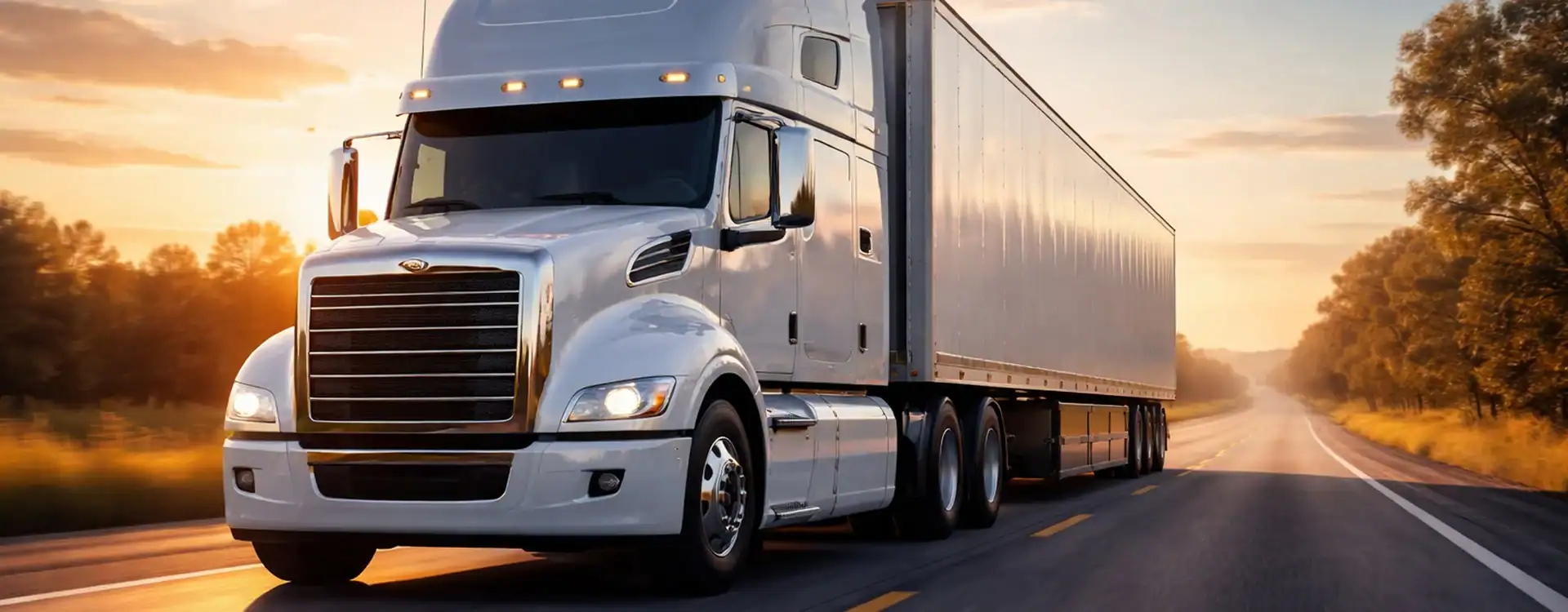
Any diesel-powered truck with a gross vehicle weight rating over 14,000 pounds that’s model year 2013 or newer must comply with Clean Truck Check. This includes semi trucks, box trucks, dump trucks, and other heavy-duty commercial vehicles operating in California.
The regulation kicked in January 1, 2024, and applies whether you’re based in California or just passing through. If your truck operates on California roads and meets those two criteria—over 14,000 pounds GVWR and 2013 or newer—you’re required to test.
Older trucks and lighter vehicles aren’t subject to this specific program, though they may fall under other CARB regulations depending on use and engine type. If you’re not sure whether your fleet qualifies, we can review your vehicle specs and tell you exactly what applies.
Testing frequency increases over time. In 2024, you’re required to test once. Starting in 2025, that jumps to twice per year. By July 2027, you’ll need to test four times annually.
CARB sets specific testing windows based on your vehicle’s compliance group and registration. Missing your window results in penalties and registration holds, so tracking deadlines matters. We can help you set up a testing schedule that aligns with your fleet’s maintenance calendar.
The ramp-up is intentional—CARB wants to catch emissions issues more frequently as the program matures. For fleets operating multiple trucks in View Park-Windsor Hills, that means planning ahead so you’re not trying to test your entire fleet in the same week when deadlines hit.
If your vehicle fails, you’ll receive a detailed report explaining which emissions standards weren’t met. Common failures include malfunctioning diesel particulate filters, faulty sensors, or issues with the selective catalytic reduction system on newer trucks.
You’ll need to make the necessary repairs and retest before your compliance deadline. Driving a non-compliant truck after a failed test exposes you to the same penalties as not testing at all—up to $10,000 per day per vehicle.
We don’t perform repairs, but we can point you toward what needs fixing based on the test results. Once repairs are complete, we’ll come back out to retest. The goal is to get you compliant as quickly as possible so your truck doesn’t sit and you’re not bleeding money on fines or lost work.
Yes. That’s exactly how our mobile service works. We bring all testing equipment to your location in View Park-Windsor Hills, whether that’s a fleet yard, warehouse, or wherever your trucks are parked.
Mobile testing eliminates the need to drive each vehicle to a testing center, wait in line, and pull drivers off their routes. For fleets with multiple trucks, that adds up to significant time and cost savings. You schedule a block of time, we test your vehicles on-site, and your operation keeps moving.
The only requirement is that we need safe access to the vehicle and enough space to connect our equipment. As long as your truck is parked and accessible, we can handle the rest. It’s the same official CARB certified smog check you’d get at a testing station—just without the hassle of going there.
Pricing depends on your vehicle type, testing method, and how many trucks you’re running through the program. OBD-based tests for 2013+ diesel engines are generally straightforward. Non-OBD vehicles requiring smoke opacity testing may involve different pricing due to equipment and time requirements.
We provide quotes based on your specific fleet needs. For businesses operating multiple heavy-duty vehicles in View Park-Windsor Hills, we can structure pricing that makes sense when you’re testing several trucks at once.
What we won’t do is surprise you with hidden fees or upsell services you don’t need. You’re paying for CARB compliance testing performed by credentialed testers using approved methods. That’s it. If you want a quote, reach out with your vehicle details and we’ll give you a clear number.
Yes. Every vehicle subject to the program must be registered in the Clean Truck Check system before testing. Registration links your truck’s VIN to your CARB account so test results are properly recorded and your compliance status updates with the state.
If you haven’t registered yet, we can walk you through it. The process involves submitting vehicle information and owner details to CARB. It’s not complicated, but it has to be done correctly or your test results won’t connect to your vehicle record.
Once you’re registered, testing and compliance tracking become much simpler. CARB sends reminders when your next test is due, and you can check your compliance status online. Getting this set up right the first time saves headaches later when you’re trying to renew registration or prove compliance during a roadside inspection.
Useful Links
Other Services we provide in View Park-Windsor Hills