

Hear from Our Customers

You’re running a business on wheels. Every day your truck sits idle costs you money, and every compliance deadline you miss puts you at risk for fines that can hit $10,000 per vehicle per day. That’s not a scare tactic—that’s what CARB enforcement actually looks like in California.
If you’re operating a 2013 or newer semi truck with a GVWR over 14,000 pounds, you need Clean Truck Check compliance to legally operate on California roads. Registration holds, port denials, and roadside violations aren’t hypothetical. They’re happening to truck owners right now who thought they had more time or didn’t understand the requirements.
CARB certified smog testing gets you compliant fast. You bring your truck in, we run the OBD emissions test, and you get documentation that keeps DMV off your back and your registration active. No guesswork. No surprises. Just the testing you need to keep operating legally in California.
We specialize in CARB diesel compliance for the trucks that actually need it—2013 and newer model years with OBD systems. We’re not trying to be everything to everyone. We focus on heavy-duty vehicle compliance because that’s where the regulations are strictest and the stakes are highest.
Calabasas sits in the heart of Southern California’s trucking corridor, with over 2,400 carriers operating within 50 miles. You’re in a high-enforcement zone. CARB uses automated license plate readers and remote monitoring throughout the region, and they coordinate directly with CHP. If your truck isn’t compliant, you’ll find out the hard way.
We’re CARB credentialed testers who stay current on the regulations that change annually. When you need California CARB compliant testing that’s done right the first time, you need someone who understands what’s at stake for your operation.

Here’s what actually happens when you come in for CARB truck regulations compliance. You schedule your appointment based on your DMV registration deadline—testing is required semi-annually, and timing matters. Miss your window and you’re looking at registration holds that ground your truck.
We connect to your truck’s OBD system using CARB certified testing equipment. The system reads emissions data directly from your engine’s onboard diagnostics. No tailpipe testing. No removing your truck from service for hours. The OBD test pulls the information CARB requires to verify your emissions control systems are functioning properly.
Once testing is complete, results get submitted directly to CARB’s database. You receive documentation proving compliance, which you’ll need if you’re ever stopped or audited. If your truck passes, you’re good until your next deadline. If there’s an issue, you’ll know exactly what needs fixing before you face penalties.
The whole process takes less time than you’d spend dealing with a single violation. And it costs a fraction of what you’d pay in fines or lost work if you skip it.

Ready to get started?
California’s Clean Truck Check program isn’t optional. If you operate a semi truck with a 2013 or newer engine and a GVWR over 14,000 pounds, you’re required to submit passing emissions tests before operating on public roads. The program covers roughly one million heavy-duty trucks statewide, and enforcement is active.
You’ll pay an annual compliance fee—$32.13 for 2026—and submit to semi-annual smog testing tied to your DMV registration cycle. CARB tracks compliance through their database, and they share that data with enforcement agencies across the state. Ports, railyards, and weigh stations all have access to your compliance status.
Here’s what matters for Calabasas-area operators: Southern California has some of the highest diesel pollution levels in the state, which means enforcement here is aggressive. CARB estimates this program will reduce nitrogen oxide and particulate pollution by 82 tons per day by 2037. That’s why they’re serious about compliance, and why penalties are steep enough to put owner-operators out of business.
Your smog check needs to be done by a CARB credentialed tester using approved equipment. Not every shop can do this testing. You need someone who’s trained specifically on the Clean Truck Check requirements and who submits results correctly the first time.
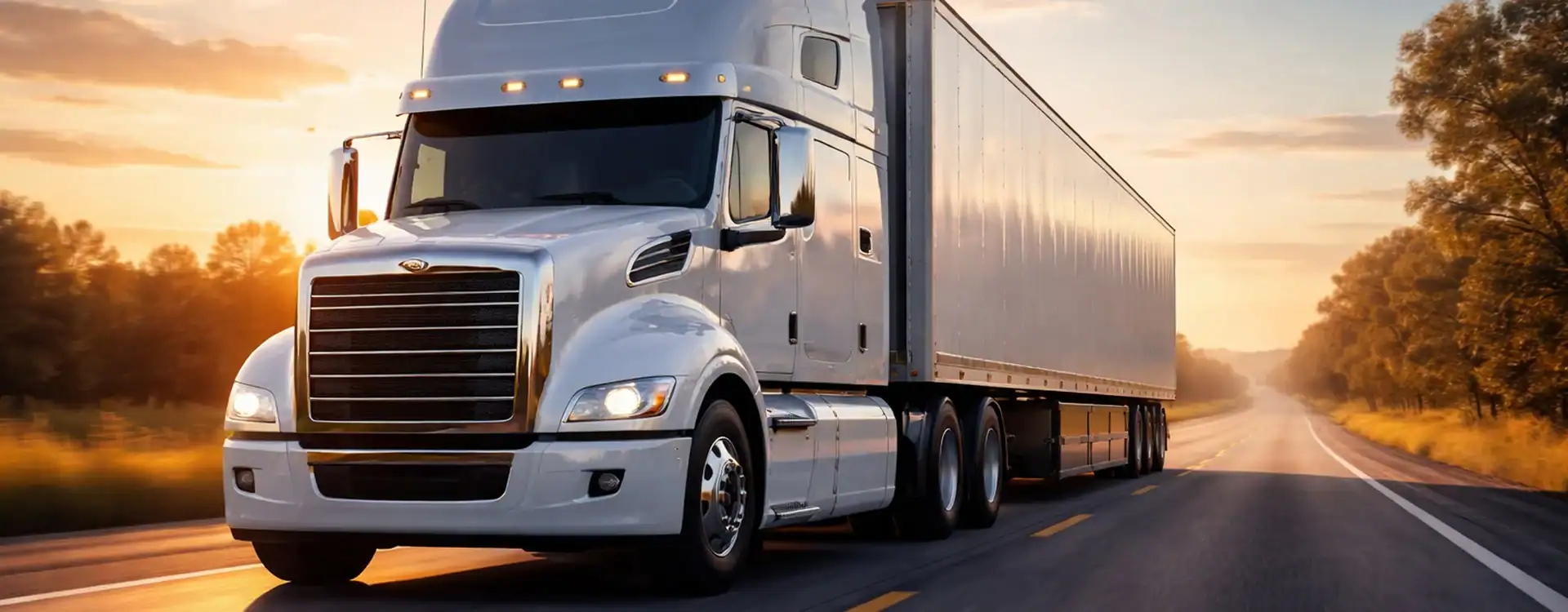
Only heavy-duty trucks with 2013 or newer model year engines and a gross vehicle weight rating over 14,000 pounds need Clean Truck Check testing. That’s the cutoff because OBD systems became mandatory on heavy-duty vehicles starting in 2013, and CARB’s testing relies on those onboard diagnostics.
If your truck is older than 2013 or weighs less than 14,000 pounds GVWR, this program doesn’t apply to you. But if you meet both criteria—2013+ and over 14,000 pounds—you’re required to comply before operating in California, even if your truck is registered out of state.
This isn’t about light-duty pickups or older rigs. It’s specifically targeting the newer heavy-duty fleet that produces the majority of diesel emissions on California roads. Three percent of vehicles cause over 50 percent of nitrogen oxide and fine particle pollution from mobile sources statewide, and this program addresses that exact segment.
CARB can fine you up to $10,000 per vehicle per day for non-compliance. That’s not a maximum penalty reserved for repeat offenders—that’s the standard enforcement range. One violation can cost more than most owner-operators make in a month.
Beyond fines, you’re looking at registration holds that prevent you from renewing your DMV registration. That means you can’t legally operate your truck in California until you’re compliant. Ports and railyards can deny entry to non-compliant vehicles, and if you’re caught during a roadside inspection, your truck can be grounded on the spot.
The annual compliance fee is around $32, and a smog test costs a few hundred dollars. Compare that to a single $10,000 fine or a week of lost work because your registration is on hold. The cost of compliance is minimal. The cost of ignoring it can end your business.
You’re required to submit passing emissions tests semi-annually, which means twice a year. Your testing schedule is tied to your DMV registration renewal date, so the deadlines are specific to your vehicle.
CARB tracks compliance through their database, and your registration won’t process if you’re not current on testing. That means you need to plan ahead and get tested before your deadline, not after. There’s no grace period, and “I didn’t know” isn’t a defense that holds up during enforcement.
If you operate multiple trucks, each one has its own testing schedule based on its individual registration. You can’t batch them all at once unless their renewal dates happen to align. Most fleet operators set reminders 30 days before each deadline to avoid last-minute scrambling or missed windows that trigger holds.
Testing must be performed by a CARB credentialed tester using CARB certified equipment. Not every smog shop is authorized to do Clean Truck Check testing for heavy-duty vehicles. The tester has to complete CARB’s online training course, pass an exam with at least 80 percent, and renew their credential every two years.
The equipment also matters. CARB requires specific OBD testing devices that connect to your truck’s diagnostics and submit results directly to their database. If the shop doesn’t have approved equipment or the tester isn’t credentialed, the test won’t count—and you’ll have wasted time and money on testing that doesn’t satisfy your compliance requirement.
When you’re looking for CARB compliant testing in Calabasas or anywhere in California, verify the shop is authorized before you schedule. Ask if they’re credentialed for Clean Truck Check and if they regularly test 2013+ heavy-duty vehicles. If they hesitate or don’t know what you’re talking about, go somewhere else.
We connect a CARB certified OBD scanner to your truck’s diagnostic port. The device communicates with your engine’s onboard computer and pulls emissions data that shows whether your emissions control systems are working properly. It checks for fault codes, monitors readiness status, and verifies that pollution controls are functioning within acceptable ranges.
There’s no tailpipe testing involved. The entire process is done through the OBD system, which is why only 2013 and newer trucks are required to participate—older trucks don’t have the necessary onboard diagnostics. The test takes significantly less time than traditional emissions testing because it’s automated and doesn’t require your truck to be running on a dyno or undergoing manual inspection.
Once the test is complete, results are submitted electronically to CARB’s database. You receive documentation showing your compliance status. If your truck passes, you’re done until your next testing deadline. If it fails, you’ll get a report showing exactly what triggered the failure so you can address the issue and retest.
Yes. If your truck meets the criteria—2013 or newer with a GVWR over 14,000 pounds—you’re required to comply with Clean Truck Check before operating on California public roads, regardless of where your truck is registered. CARB’s authority extends to any vehicle operating within state borders, not just California-registered trucks.
Out-of-state operators need to register their vehicles in CARB’s system and submit passing emissions tests on the same semi-annual schedule as in-state trucks. Enforcement doesn’t distinguish between a California plate and an out-of-state plate when it comes to compliance. Automated license plate readers and weigh station checks apply to everyone.
If you regularly run routes through California, you need to factor compliance into your operating costs and schedule. Waiting until you get pulled over or denied entry at a port isn’t a strategy. Get tested before you cross the state line, and keep your documentation current so you’re not scrambling to prove compliance during an inspection.
Useful Links
Other Services we provide in Calabasas