Check Out Our Reviews!
A DMV registration hold doesn’t just slow you down it stops your truck cold. For owner-operators running loads out of the South LA corridor, that’s not an inconvenience. That’s lost income, a stalled route, and a problem that compounds every day it goes unresolved. Getting your CARB compliance handled fast means your truck stays on the road and your livelihood stays intact.
Westmont sits right at the intersection of the I-105, I-110, and I-405 three of the most heavily monitored freight corridors in the state. CARB deploys roadside emissions monitoring devices along routes exactly like these, and trucks that get flagged receive a Notice to Submit to Testing with a hard 30-day deadline. That’s not a lot of runway when you’re running loads daily and don’t have a compliance department handling this for you.
The Port of Los Angeles is roughly 20 miles south via the I-110. If you’re doing drayage or even occasional port runs a valid Clean Truck Check certificate isn’t optional. Freight brokers check it. Port gates check it. A lapsed certificate means no access, no contract, no load. We get you tested, submitted, and documented so that’s never the call you’re making at the gate.
We are a CARB-credentialed Clean Truck Check testing provider serving Los Angeles County which means we serve the freight operators, drayage runners, and working truck owners throughout Westmont and the surrounding communities of Inglewood, Hawthorne, and Gardena.
Our testers have completed CARB’s official HD I/M Tester Training Course, passed the state exam, and hold credentials that are publicly listed on CARB’s website. You can look us up before you ever call. That credential isn’t self-declared it’s state-issued, renewed every two years, and verifiable by anyone. We also use CARB-certified OBD testing equipment on every job, which matters because a test performed with non-approved tools won’t be accepted, no matter how clean your truck runs.
We specialize exclusively in model year 2013 or newer heavy-duty diesel vehicles with a GVWR over 14,000 pounds the exact vehicles CARB’s Clean Truck Check targets. This isn’t a side service. It’s what we do.

It starts with a quick confirmation that your truck qualifies. If it’s a 2013 or newer heavy-duty diesel with a GVWR over 14,000 pounds and it operates on California public roads including the freight corridors that run through and around Westmont it needs a Clean Truck Check. Not sure? Just describe your truck when you call and we’ll tell you immediately.
Once that’s confirmed, we schedule your test. Because Westmont is a dense community nearly 18,400 people per square mile packed into less than two square miles mobile testing is often the most practical option. We come to your truck. That means no navigating a heavy vehicle through tight residential streets near Vermont Avenue or Imperial Highway just to reach a fixed location. We bring the CARB-certified OBD scanning equipment to you, run the test, and handle the rest.
After the test, we submit your results electronically and directly to CARB’s CTC-VIS database. You don’t log into any portal. You don’t upload anything. The compliance record is filed, and your certificate reflects a passing test as quickly as the system processes it. For operators who are running solo without any back-office support, that direct submission step removes one of the most confusing parts of the whole process.

Ready to get started?
Every Clean Truck Check we perform includes an OBD scan using CARB-certified testing equipment, direct electronic submission to CARB’s CTC-VIS database, and documentation of your passing result. This applies to any qualifying truck operating in California including out-of-state registered vehicles running loads through the I-110, I-105, or I-405 corridors that serve the Westmont area. If your truck is 2013 or newer, over 14,000 pounds GVWR, and it touches California roads, it’s subject to the program regardless of where it’s registered.
Testing frequency has already escalated. Semi-annual testing two tests per year is fully in effect for 2025. By October 2027, most subject vehicles will be required to test four times per year. For Westmont-area operators who are running one or two trucks and managing everything themselves, that means compliance is now a recurring operational cost, not a once-a-year errand. Having a credentialed tester who knows your vehicle and your schedule is the practical move.
Because Westmont is unincorporated governed by Los Angeles County rather than a city there’s no local municipal outreach, no city fleet program, and no compliance reminder coming from a city office. Most operators in this area find out about a compliance gap the hard way: a DMV registration hold, an NST letter, or a denied port entry. We help you stay ahead of all three.
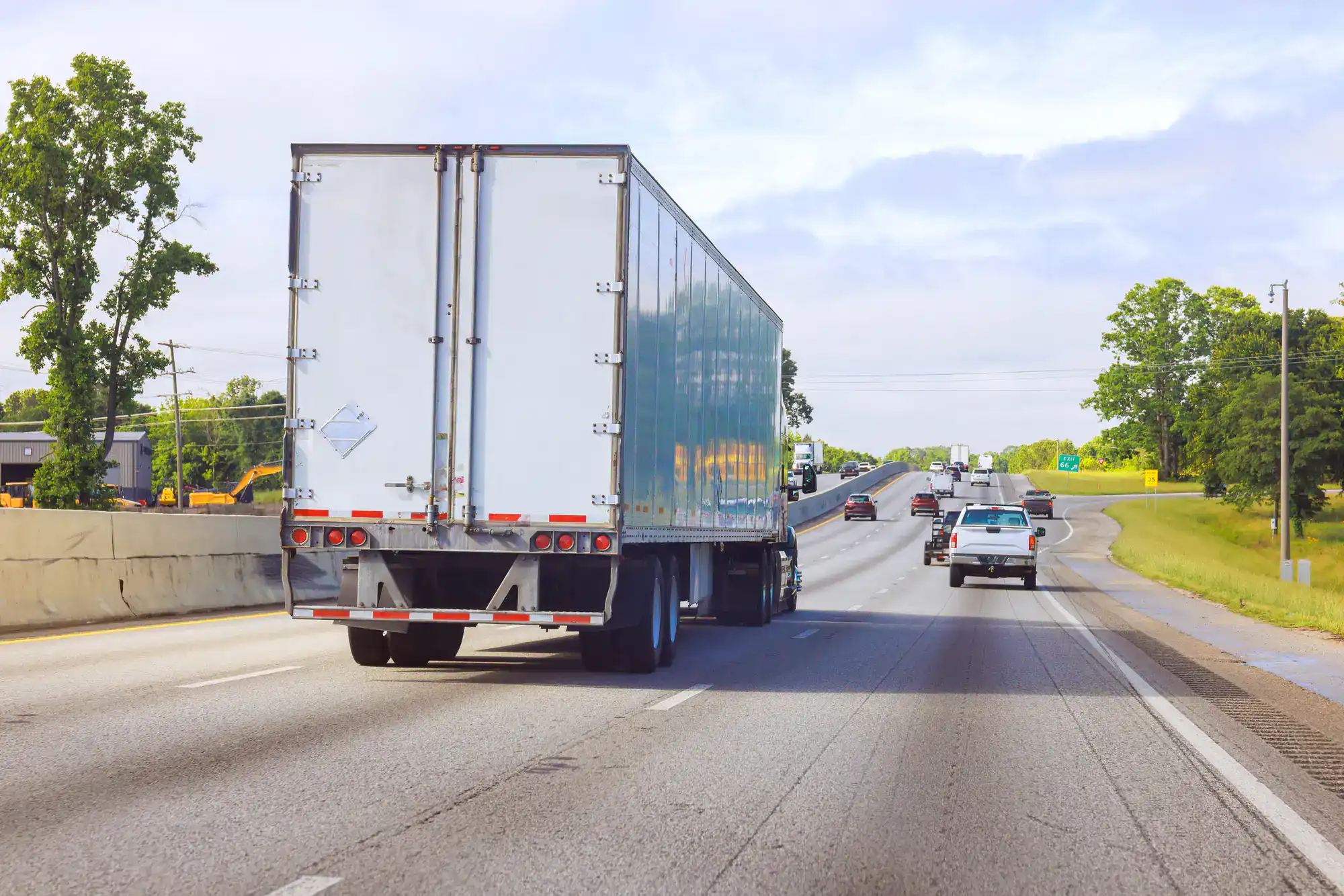
If your truck is a model year 2013 or newer heavy-duty diesel vehicle with a GVWR over 14,000 pounds, and it operates on California public roads, it falls under CARB’s Clean Truck Check program. That applies whether you’re based in Westmont, running loads through the I-110 corridor to the Port of LA, or hauling freight through the South Bay on the I-405. The program doesn’t care where your truck is registered only that it’s operating in California.
Lighter vehicles and older trucks are not subject to this program. If your truck doesn’t meet both thresholds 2013 or newer and over 14,000 pounds GVWR you don’t need a Clean Truck Check. If you’re not sure where your vehicle falls, call and describe it. We can tell you immediately whether it qualifies and what your next step is.
A failed OBD test means your truck’s on-board diagnostic system flagged an active emissions-related fault code. That doesn’t automatically mean your engine is in bad shape sometimes it’s a sensor, a loose connection, or a system that needs a reset after a repair. What it does mean is that you’ll need to address whatever the scan flagged before you can get a passing result submitted to CARB’s CTC-VIS database.
The practical consequence is real: until a passing test is on file, your truck is out of compliance. For Westmont-area operators running drayage to the Port of LA or freight loads through the South LA corridor, that means potential port access issues and DMV registration problems. The faster you get the underlying issue diagnosed and repaired, the faster you can retest and get back to work. We’ll tell you exactly what the scan found so you can take that information directly to your mechanic.
As of 2025, semi-annual testing is fully in effect meaning most subject vehicles need two Clean Truck Check tests per year. By October 2027, the required frequency escalates to four times per year for most vehicles in the program. This is a significant shift from how compliance worked in earlier years, and it catches a lot of operators off guard when their second test deadline arrives and they haven’t planned for it.
For Westmont-area truck owners managing their own compliance without administrative help, that escalating schedule means you need to stay on top of your individual testing windows. Your compliance status is tied to your specific vehicle’s record in CARB’s CTC-VIS system, and each test has a deadline window. Missing it doesn’t just mean a fine it can trigger a DMV registration hold that takes your truck off the road entirely. Building a relationship with a credentialed tester now, before the quarterly requirement kicks in, is the practical way to stay ahead of it.
Yes. CARB’s Clean Truck Check program applies to any qualifying vehicle operating on California public roads, regardless of where it’s registered. If your truck is 2013 or newer, over 14,000 pounds GVWR, and it runs loads through California including the freight corridors around Westmont, the I-110 to the Port of LA, or the I-105 connecting to the I-710 it is subject to the program.
This catches a lot of out-of-state operators by surprise, particularly those running regular routes between California and Nevada, Arizona, or Texas. CARB deploys roadside emissions monitoring devices along major freight corridors, and those devices don’t check registration state they check emissions compliance. If your truck gets flagged, you’ll receive a Notice to Submit to Testing with a 30-day deadline to produce a passing test from a credentialed tester. We test and submit compliance results for out-of-state registered trucks operating in Los Angeles County, so that deadline doesn’t become a crisis.
They’re completely different tests serving different purposes. A standard smog check the kind required for most passenger cars and light-duty vehicles in California uses a tailpipe emissions test and is handled through the Bureau of Automotive Repair’s smog check program. The CARB Clean Truck Check is a separate, CARB-administered program that uses an OBD scan a direct read of your truck’s on-board diagnostic system and applies only to model year 2013 or newer heavy-duty diesel vehicles with a GVWR over 14,000 pounds.
The testing equipment is different, the credentialing is different, the database is different, and the regulatory consequences are different. A standard smog station cannot perform a Clean Truck Check unless the tester holds a specific CARB HD I/M credential and uses CARB-certified OBD equipment. We are credentialed specifically for the Clean Truck Check program this is not a general smog shop that added a new service line. If someone tells you they can do your Clean Truck Check with standard smog equipment, that test will not be accepted by CARB.
Yes. We offer mobile testing, which means we come to your truck whether that’s your yard, your driveway, or a nearby lot. For Westmont specifically, mobile testing makes a lot of practical sense. The community is extremely dense, and maneuvering a heavy-duty truck through residential streets near Vermont Avenue or around the Imperial Highway corridor just to reach a fixed testing location is an unnecessary hassle when the test can come to you.
Mobile testing also works well for operators who keep their trucks at a commercial lot in the surrounding area Inglewood, Hawthorne, Gardena, or anywhere else in Los Angeles County within our service area. You don’t need to reroute your day or burn time driving to a shop. We bring CARB-certified OBD equipment, run the test on-site, and submit the results directly to CARB’s CTC-VIS database before we leave. Schedule your appointment, tell us where the truck will be, and we’ll handle the rest.
Useful Links
Other Services we provide in Westmont