Check Out Our Reviews!
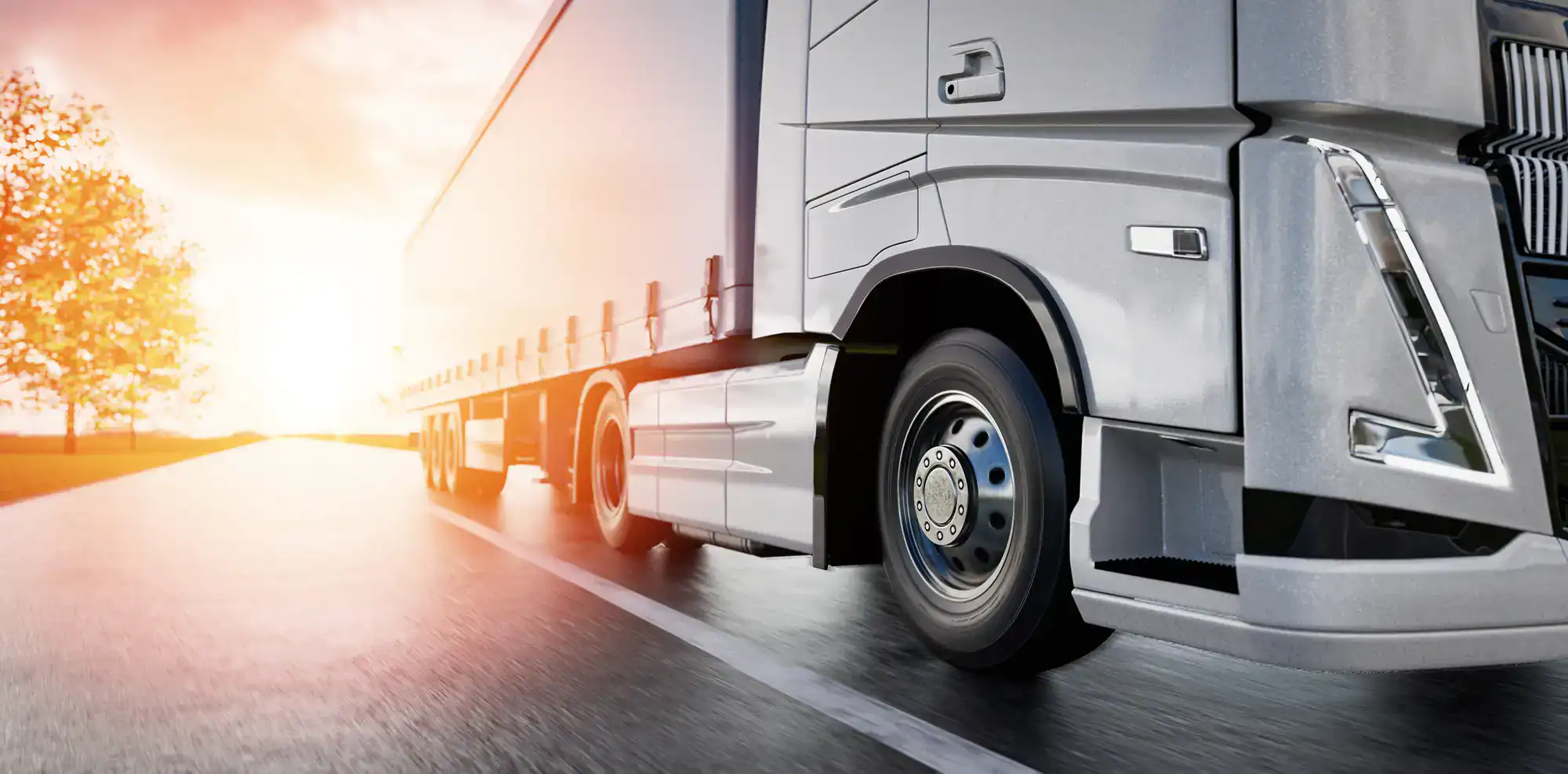
When your compliance certificate lapses in a freight corridor as active as West Rancho Dominguez, the consequences hit fast. A DMV registration hold doesn’t just create paperwork it pulls your truck off the road entirely. If you’re running drayage loads between the Port of Long Beach or Port of Los Angeles and local distribution centers on Alameda Street, losing port access for even one day is real money out of your pocket.
What changes after you get tested and cleared is simple: your truck is legal, your registration path is open, and the port gate isn’t a problem anymore. For owner-operators and small fleets operating in the 90220 and 90248 ZIP codes around West Rancho Dominguez, that’s not a minor convenience that’s the difference between working and waiting.
The Rancho Dominguez industrial zone is one of the most freight-dense areas in Los Angeles County. CARB’s remote emissions monitoring equipment is active throughout this corridor, and trucks without a valid compliance record don’t stay undetected for long. Getting tested now, with a credentialed provider who submits directly to CTC-VIS, means you’re not scrambling when a Notice to Submit to Testing shows up with a 30-day clock on it.
We are a CARB-credentialed Clean Truck Check testing provider serving Los Angeles County. Every tester has completed CARB’s official HD I/M training and passed the state exam that credential is publicly listed on CARB’s database, and you can verify it before you ever call. This isn’t a passenger car smog shop that added a new service line. Our entire operation is built around model year 2013 or newer diesel trucks with a GVWR over 14,000 pounds the exact vehicles CARB’s Clean Truck Check program targets. We make the diesel smog check easy in West Rancho Dominguez: on-site testing for heavy-duty diesel trucks, with results sent straight to CARB.
West Rancho Dominguez sits at the center of one of the most active freight zones in Southern California bordered by Compton to the east, Gardena to the north, and within 10 miles of both the Port of Los Angeles and Port of Long Beach via I-710 and I-110. The operators running trucks through this corridor need a tester who understands the urgency, knows the compliance process inside and out, and doesn’t waste your time.

The process starts when you call or book online. You’ll confirm your truck’s model year, GVWR, and VIN this makes sure your vehicle actually falls within the scope of California’s Clean Truck Check program, which applies only to diesel trucks that are model year 2013 or newer and have a GVWR over 14,000 pounds. If your truck qualifies, you schedule a time that works for your operation.
On the day of your test, a CARB-certified OBD testing device is connected to your truck’s diagnostic port. This isn’t a standard mechanic’s scanner it’s the specific equipment CARB requires for Clean Truck Check compliance. The scan reads your truck’s onboard emissions data and determines whether it meets California’s standards. The whole process is straightforward and doesn’t require your truck to be in a shop.
Once the test is complete, results are submitted electronically and directly to CARB’s CTC-VIS database. You don’t log into a portal. You don’t upload anything. You don’t wait to find out if the submission went through. For fleet managers in the West Rancho Dominguez industrial zone tracking multiple trucks and multiple compliance deadlines, that direct submission removes one of the most common failure points in the entire process and gets your compliance certificate moving as fast as possible.

Ready to get started?
California’s Clean Truck Check program also called HD I/M, or heavy-duty inspection and maintenance requires OBD-based emissions testing for diesel trucks that are model year 2013 or newer with a GVWR over 14,000 pounds. If your truck doesn’t meet both of those criteria, it falls outside the scope of this program entirely. We test only vehicles that qualify under this definition. There’s no ambiguity about what’s covered and what isn’t.
For trucks that do qualify, testing is currently required twice per year semi-annually with frequency increasing to four times per year by October 2027 for most subject vehicles. There’s also an annual compliance fee of $31.18 per vehicle paid to CARB, separate from the testing service fee. Non-compliance consequences include DMV registration holds, fines up to $10,000 per vehicle per day, and denial of access to port facilities. For drayage operators staging in the 90220 ZIP code and running loads down Alameda Street to the Port of Long Beach, that last consequence is the one that tends to get attention fast.
We use CARB-certified OBD testing equipment and submit results directly to CTC-VIS upon test completion. If your truck operates anywhere in Los Angeles County including the Rancho Dominguez industrial corridor, along SR-91, or anywhere between the ports and the Inland Empire on I-710 and it meets the model year and GVWR requirements, this is the test California requires you to pass.
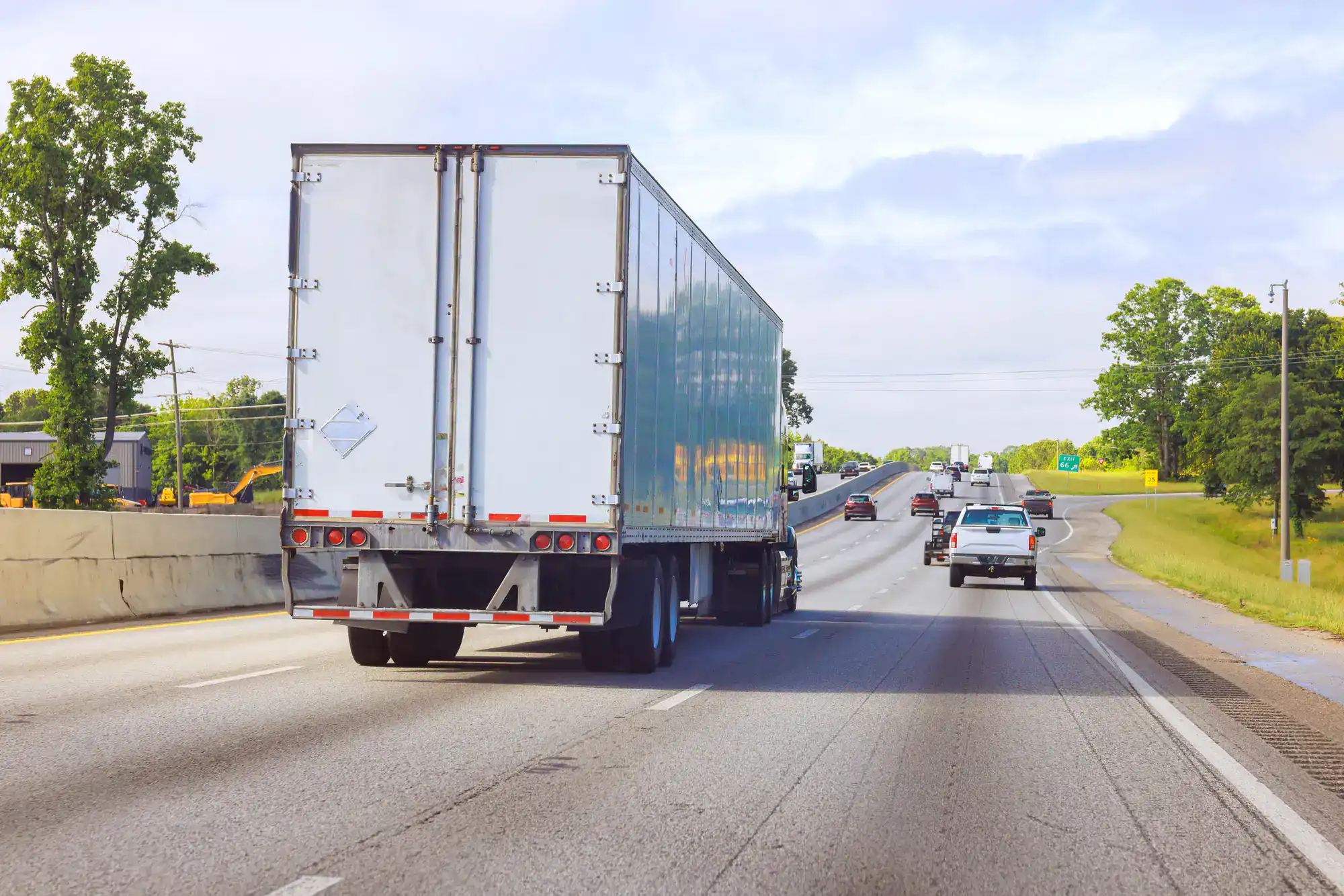
If your truck is model year 2013 or newer and has a GVWR over 14,000 pounds, yes it’s subject to California’s Clean Truck Check program regardless of where it’s based or where it’s registered. West Rancho Dominguez sits in Los Angeles County, and CARB’s HD I/M requirements apply uniformly across California, including in unincorporated county areas like this one. There’s no city-level exemption, no county carve-out, and no grace period for trucks that have been operating without a valid compliance record.
What matters is whether your truck operates on California public roads. If it does and it meets those two criteria 2013 or newer, GVWR over 14,000 pounds it needs to be tested. The Rancho Dominguez industrial corridor is an active area for CARB’s remote emissions monitoring, and trucks without a current compliance certificate are flagged. Getting tested before you receive a Notice to Submit to Testing is always the better position to be in.
A failed OBD test means your truck’s onboard emissions system reported fault codes or data that doesn’t meet CARB’s standards. The truck isn’t automatically impounded or taken off the road on the spot, but you will have a limited window to address the issue and retest before compliance consequences kick in. Those consequences DMV registration holds, daily fines, and port access denial are real and escalate quickly if you don’t act on them.
The most important thing to do after a failed test is get the fault codes diagnosed by a qualified diesel mechanic, address the underlying issue, and schedule a retest as soon as repairs are complete. For operators in the West Rancho Dominguez area running port loads, the port access piece is usually the most urgent the Port of Long Beach and Port of Los Angeles both require a valid Clean Truck Check compliance record for entry. A failed test without a clear repair and retest plan is a direct threat to your ability to work.
As of 2025, most subject vehicles diesel trucks model year 2013 or newer with a GVWR over 14,000 pounds are required to complete Clean Truck Check testing twice per year, on a semi-annual schedule. That’s the current baseline. Starting in October 2027, testing frequency increases to four times per year for most trucks. That’s a significant jump, and fleet managers in the Rancho Dominguez industrial zone who are currently tracking two compliance windows per truck will need to build systems around four.
The compliance schedule is tied to individual vehicles, not a universal calendar date. Each truck has its own testing window based on its registration and compliance history in CARB’s CTC-VIS system. If you’re managing multiple trucks out of a warehouse or distribution center in the 90220 or 90248 ZIP codes, keeping track of each vehicle’s individual deadlines is one of the more common pain points operators in this area deal with. Working with a consistent, credentialed tester who knows your fleet makes that significantly easier.
Yes. California’s Clean Truck Check program applies to any qualifying diesel truck operating on California public roads the state where the truck is registered doesn’t change that. If your truck is model year 2013 or newer, has a GVWR over 14,000 pounds, and it’s running loads through the Rancho Dominguez industrial corridor, staging near the Port of Long Beach, or traveling on I-710 or I-110 anywhere in Los Angeles County, it’s subject to the same compliance requirements as a California-registered truck.
Out-of-state operators who run California freight regularly are sometimes surprised by this, but CARB’s enforcement doesn’t distinguish by plate. Remote emissions monitoring devices along major freight corridors including routes commonly used by trucks moving between the ports and distribution centers in the Rancho Dominguez area flag non-compliant vehicles regardless of registration state. If you’re pulling California loads, you need California compliance. We can perform the OBD test and submit results to CTC-VIS for out-of-state registered vehicles the same way we do for California-registered trucks.
These are two completely different programs with different equipment, different vehicle populations, and different regulatory frameworks. A standard smog check the kind you get at a regular smog station in Compton or Gardena is for passenger cars and light-duty vehicles. It tests tailpipe emissions using a tailpipe probe or a basic OBD scan for newer passenger vehicles. Those shops are not equipped or credentialed to perform Clean Truck Check testing, and their results have no standing with CARB’s HD I/M program.
The CARB Clean Truck Check is specifically for heavy-duty diesel trucks model year 2013 or newer, GVWR over 14,000 pounds. It uses CARB-certified OBD testing devices that are distinct from standard diagnostic tools, and results must be submitted electronically to CARB’s CTC-VIS database by a credentialed tester. If you call a regular smog shop in the 90220 ZIP code asking about Clean Truck Check, they’ll likely turn you away or worse, attempt a test with equipment that CARB won’t accept. We specialize exclusively in this vehicle class and this program.
Scheduling depends on current availability, but the goal is always to get you tested as quickly as possible especially if you’re dealing with a DMV registration hold or a Notice to Submit to Testing with a deadline attached. Most operators in the West Rancho Dominguez and broader Rancho Dominguez industrial corridor aren’t planning testing weeks in advance. They’re responding to a compliance issue that needs to be resolved now, and the scheduling process is built around that reality.
When you call or book, you’ll confirm your truck’s model year, GVWR, and VIN upfront so there’s no wasted time on the day of the test. We serve Los Angeles County, which means you’re not waiting for a provider to route through your area from somewhere else this is the county we operate in. If you’re managing a fleet with multiple trucks at a single location in the Rancho Dominguez area, that’s worth mentioning when you book, because testing multiple vehicles at one site in a single visit is something that can be arranged.
Useful Links
Other Services we provide in West Rancho Dominguez