Check Out Our Reviews!
The DMV is actively placing registration holds on non-compliant trucks. That means your vehicle sits until you fix the problem. No hauling. No revenue. Just waiting.
CARB emissions testing through the Clean Truck Check program keeps your trucks registered and legal to operate in California. You need a valid CTC certificate to renew your registration if your truck has a GVWR over 14,000 pounds. Without it, you’re grounded.
The fines are real too. Operating a non-compliant heavy-duty vehicle can cost you up to $75,000 per day. Even hiring a carrier that isn’t compliant can hit you with $10,000 penalties. This isn’t something you can ignore and hope it goes away.
We focus specifically on heavy-duty diesel compliance for trucks that qualify under California’s HD I/M Clean Truck Program. That means model year 2013 or newer with a GVWR over 14,000 pounds.
We’re CARB-credentialed testers serving Walnut and the surrounding area. Our facility is licensed under the state’s Heavy-Duty Inspection and Maintenance program, which means we follow the exact protocols CARB requires and submit results directly to their system.
Walnut sits right in the heart of Southern California’s trucking corridor. You’re dealing with some of the strictest air quality regulations in the country because this region has been fighting diesel pollution for decades. We understand what’s at stake for your operation.

First, we verify your truck qualifies. It needs to be model year 2013 or newer and have a GVWR over 14,000 pounds. If it doesn’t meet both requirements, this isn’t the right test for your vehicle.
For qualifying trucks, we perform OBD-based emissions testing. Your truck’s onboard diagnostics system gets connected to our CARB-approved testing equipment. We’re checking for fault codes, readiness monitors, and whether your emissions control systems are functioning properly.
The test itself doesn’t take long if everything’s working correctly. Once you pass, the results go straight to CARB’s system. You’ll receive your CTC certificate as proof of compliance, which you need for DMV registration.
If something fails, we’ll tell you exactly what the issue is. You’ll need to get repairs done and come back for a retest. The DMV won’t process your registration until you have a passing certificate in the system.

Ready to get started?
Right now, if your truck’s registration comes due in January or July, you need to test within 90 days before that deadline. Most heavy-duty vehicles are on a twice-yearly testing schedule, though that’s increasing to four times per year by 2027 for OBD-equipped trucks.
You also need to pay an annual compliance fee through the CTC-VIS portal. For 2026, that’s $32.13 per vehicle. The fee and the test are both required. One without the other doesn’t count.
California is serious about enforcement. Roadside sensors are monitoring emissions, and trucks that flag high get pulled over immediately. You’ll receive a Notice to Submit to Testing if you’re caught operating without compliance. That’s not a warning—it’s a mandate.
In Walnut and across Southern California, heavy-duty trucks make up only 3 percent of vehicles on the road but generate more than 50 percent of nitrogen oxides and diesel particulate pollution. That’s why the state is cracking down hard. The Clean Truck Check program covers roughly 1 million trucks statewide, and CARB expects it to prevent 7,500 air quality-related deaths by 2037.
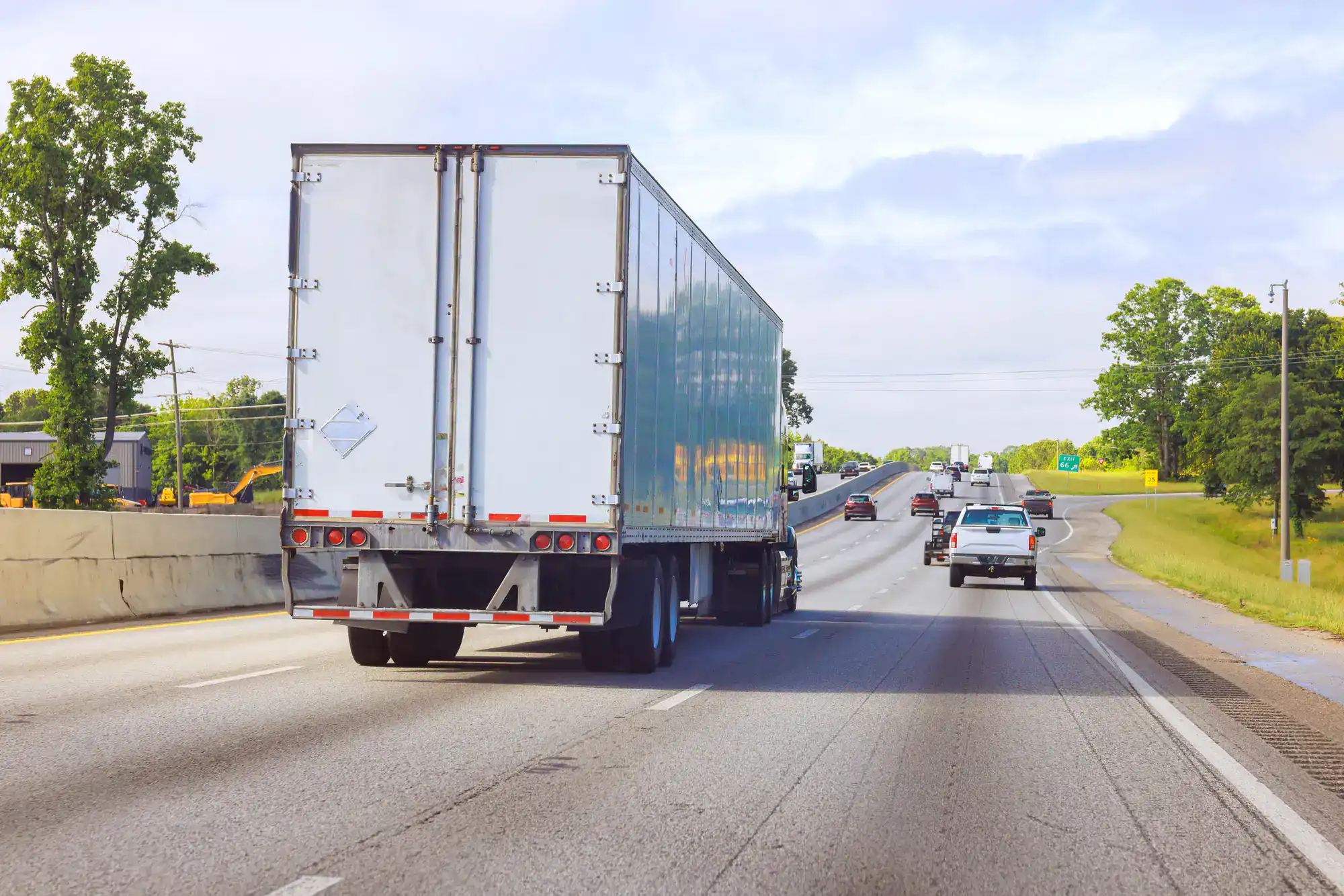
Your truck qualifies if it meets two specific criteria: model year 2013 or newer, and a gross vehicle weight rating over 14,000 pounds. Both requirements must be met.
Model year 2013 is when CARB started requiring OBD systems on heavy-duty diesel vehicles. That’s the technology we use for testing. Older trucks use different testing methods that we don’t perform.
The GVWR threshold matters because California’s Clean Truck Check program only applies to heavy-duty vehicles. If your truck is under 14,000 pounds, you’re not subject to this program. If you’re not sure about your GVWR, check the certification label on the driver’s side door frame.
Currently, most heavy-duty trucks need testing twice per year, timed with your registration renewal. If your registration is due in January or July, you need to test within 90 days before that deadline.
The testing frequency is increasing. By 2027, OBD-equipped vehicles will need testing four times annually. CARB is also working on approving telematics-based devices that can submit data automatically without taking your truck out of service.
Missing a test deadline means the DMV won’t process your registration renewal. You can’t legally operate in California without current registration, so staying ahead of your testing schedule is critical. Set reminders well before your deadline to avoid last-minute problems.
If your truck fails, you’ll get a detailed report showing exactly what triggered the failure. Usually it’s a fault code in the OBD system or an emissions control component that isn’t working properly.
You’ll need to take your truck to a repair facility that can diagnose and fix the specific issue. Once repairs are complete, you come back to us for a retest. You can’t get your CTC certificate until you pass.
The DMV won’t process your registration renewal without a passing certificate in CARB’s system. That means your truck stays off the road until the problem is fixed. This is why regular maintenance matters—catching issues before your compliance deadline saves you from unexpected downtime.
Yes. If you’re an out-of-state carrier operating heavy-duty trucks in California, you’re subject to the same Clean Truck Check requirements as California-registered vehicles. The TRUCRS certificate is specifically for out-of-state and foreign-registered trucks.
You need to register your vehicle in CARB’s CTC-VIS portal and complete the required testing. The process is essentially the same—your truck must be model year 2013 or newer with a GVWR over 14,000 pounds, and it needs to pass OBD-based emissions testing.
Out-of-state carriers sometimes think they’re exempt. They’re not. CARB enforcement applies to any heavy-duty vehicle operating on California roads, regardless of where it’s registered. Roadside inspections will check for compliance, and penalties for non-compliance are the same.
The testing itself has a service fee that varies by facility. You’ll need to contact us directly for current pricing on the emissions test.
Separately, you’re required to pay an annual compliance fee to CARB through the CTC-VIS portal. For 2026, that fee is $32.13 per vehicle. This is a state-mandated fee that goes directly to CARB, not to testing facilities.
Both the test and the annual fee are required for compliance. Paying the fee doesn’t replace the need for testing, and passing the test doesn’t eliminate the fee. Budget for both when planning your compliance costs. The penalties for skipping either one—registration holds and potential fines up to $75,000 per day—make the compliance costs look tiny by comparison.
Regular smog checks are for light-duty vehicles—passenger cars and smaller trucks under 14,000 pounds GVWR. Clean Truck Check is California’s Heavy-Duty Inspection and Maintenance program for commercial trucks and buses.
The testing methods are completely different. Light-duty smog checks often use tailpipe emissions measurements. Clean Truck Check for 2013 and newer heavy-duty trucks uses OBD-based testing, which reads data directly from your truck’s onboard diagnostic system.
You can’t get Clean Truck Check testing at a regular smog check station. You need a facility that’s specifically licensed and credentialed under CARB’s HD I/M program. The equipment is different, the certification requirements are different, and the data submission process goes through a separate CARB system.
Useful Links
Other Services we provide in Walnut