Check Out Our Reviews!
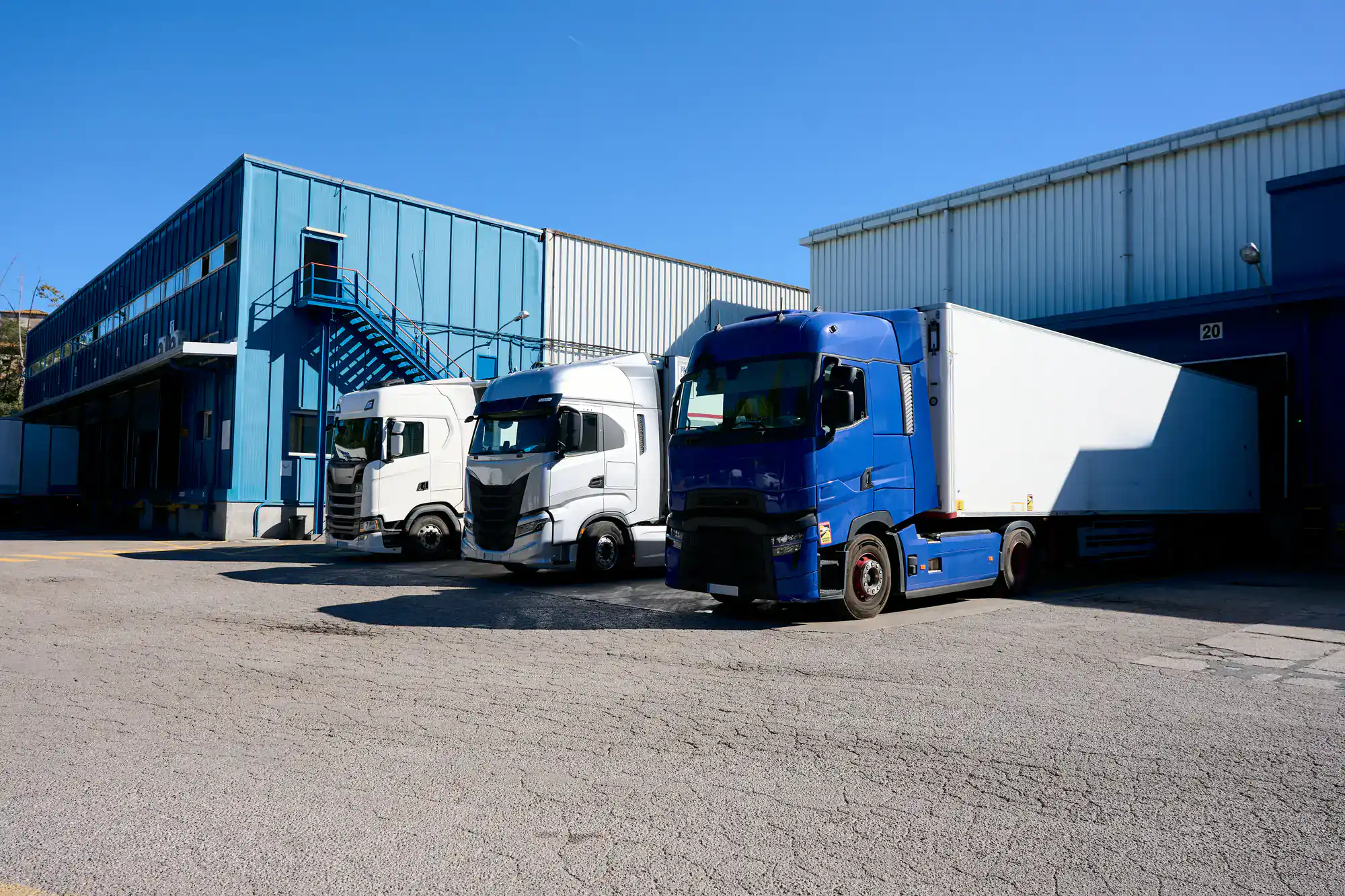
If your diesel truck is model year 2013 or newer and has a GVWR over 14,000 pounds, California’s Clean Truck Check program applies to you whether you’re based in Temecula, passing through on I-15, or running freight out of the wine country corridor on Rancho California Road. There’s no gray area, and there’s no exemption for out-of-state plates.
The I-15 through Temecula is one of the most actively monitored freight corridors in Southern California. CARB’s roadside emissions monitoring equipment flags trucks without a valid compliance record, and once you receive a Notice to Submit to Testing, you have 30 calendar days to produce a passing result. That clock doesn’t pause for busy seasons, harvest runs, or a full load heading north to the Inland Empire.
What a passing Clean Truck Check actually gives you is simple: your truck stays registered, your freight contracts stay intact, and you’re not looking at fines that can reach $10,000 per vehicle per day. When the test is done through a CARB-credentialed tester and results go directly into the state’s CTC-VIS database, you’re not just checking a box you’re protected. That’s the outcome that matters.
We’re a CARB-credentialed Clean Truck Check testing provider serving Riverside County including Temecula and the surrounding Temecula Valley. Every tester on our team has completed CARB’s official HD I/M Tester Training and holds a state-issued credential that’s publicly verifiable on CARB’s own database. That’s not a marketing claim you can look it up before you ever call us.
We’re based in Perris, CA, about 30 miles north of Temecula on the I-215 corridor. We’re not a general smog shop that added this service as an afterthought. Every test we perform is on a 2013-or-newer heavy-duty diesel vehicle with a GVWR over 14,000 pounds the exact vehicle population the Clean Truck Check program targets. That focus means fewer errors, faster service, and test results CARB actually accepts.
We use only CARB-certified OBD testing equipment, and we submit your results directly to CTC-VIS at the time of the test. You don’t touch a portal. You don’t follow up with the state. It’s handled.

It starts with a call or booking to confirm your truck qualifies model year 2013 or newer, GVWR over 14,000 pounds, diesel-powered. If you’re not sure whether your vehicle falls under the Clean Truck Check requirement, we’ll help you figure that out before you spend a dollar. Operators running deliveries through the Temecula wine country, construction crews working active sites along Winchester Road, and interstate carriers staging in Temecula all have different setups, and we take a few minutes to make sure the service fits before we schedule.
Once we confirm the appointment, we connect a CARB-certified OBD device to your truck’s diagnostic port and run the scan. The test reads your truck’s onboard emissions data it’s not a visual inspection or a tailpipe test. It’s a direct read of what your engine’s control systems are reporting. The whole process is straightforward and doesn’t require your truck to be at a shop. We come to you.
When the test is complete and your truck passes, we submit the results directly to CARB’s CTC-VIS database on the spot. Your compliance record is updated in real time. If there’s an issue flagged during the scan, we’ll walk you through what it means and what your next step should be clearly, without jargon. No surprises, no runaround.

Ready to get started?
Every Clean Truck Check test through All SMOG Motors includes the full OBD scan using CARB-certified equipment, direct electronic submission to the CTC-VIS database, and your compliance certificate the document that confirms your truck is on record with the state. There’s no separate submission step, no printing and mailing, and no logging into a government portal hoping you did it right. The test and the submission happen together.
This service is specifically for heavy-duty diesel vehicles that are model year 2013 or newer with a GVWR over 14,000 pounds. That covers a wide range of trucks operating in and around Temecula from delivery trucks serving the 47 wineries in the Temecula Valley Wine Country to dump trucks and equipment haulers working active construction sites along Winchester Road and the SR-79 North corridor. It also applies to out-of-state trucks registered in Nevada or Arizona that run the I-15 through Temecula regularly. California doesn’t care where your truck is registered if it’s on a California road, the rule applies.
Testing frequency matters too. In 2025, most subject vehicles are required to test twice a year. That cadence increases to quarterly by October 2027 for many truck classes. If you’re managing a small fleet out of the Temecula area, now is the time to get a reliable testing process in place before the schedule tightens and the pressure increases.
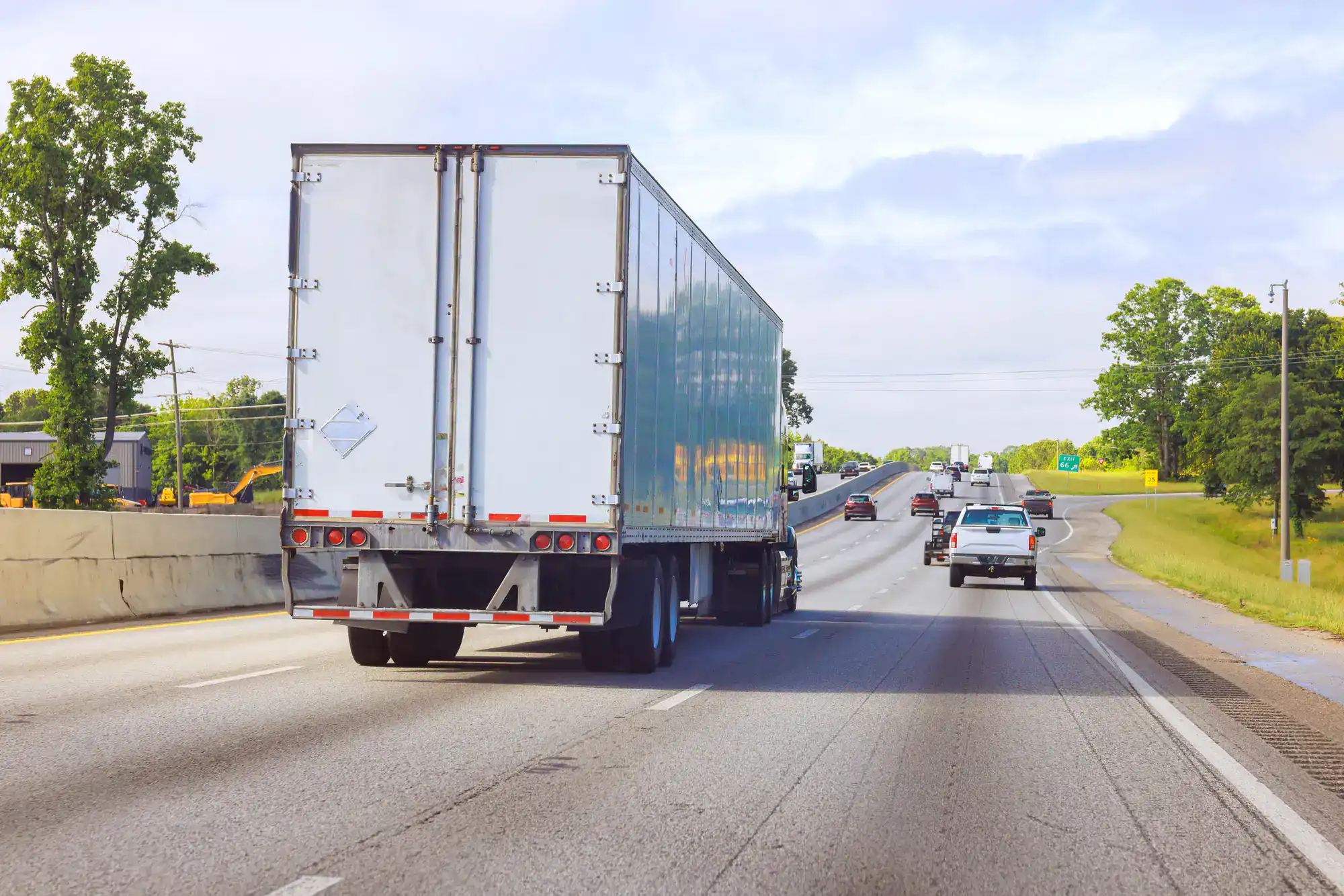
Yes and this is one of the most common misconceptions among carriers running the I-15 corridor through Temecula. California’s Clean Truck Check program applies to any heavy-duty diesel vehicle that operates on California public roads, regardless of where it’s registered. If your truck is model year 2013 or newer and has a GVWR over 14,000 pounds, it’s subject to the program the moment it enters the state.
CARB deploys roadside emissions monitoring equipment along major freight corridors, including the I-15 through Temecula and the broader Southern California freight network. If your truck is flagged as a potential high emitter or as non-compliant, you’ll receive a Notice to Submit to Testing and that triggers a 30-day deadline to produce a passing result, regardless of where your truck is based. We serve out-of-state operators who run California routes. We perform the OBD scan, submit your results directly to CTC-VIS, and get you the compliance certificate you need to keep running without interruption.
As of 2025, most trucks subject to California’s Clean Truck Check program are required to test twice a year that’s semi-annual testing. The frequency is already increasing: by October 2027, many vehicle classes will be required to test quarterly, meaning four times per year. The specific schedule for your truck depends on its model year, vehicle class, and engine type, so it’s worth confirming where your vehicle falls before you assume you’re on the lighter end of the schedule.
For Temecula-area operators managing multiple trucks whether you’re running a fleet of delivery vehicles serving the Temecula Valley Wine Country or maintaining a small construction fleet working active sites getting ahead of this schedule matters. Missing a testing window doesn’t just mean a late test. It can trigger a DMV registration hold that takes your truck off the road entirely. Building a consistent testing routine now, while the cadence is still semi-annual, makes the shift to quarterly testing in 2027 a lot less disruptive.
A failed OBD scan means the test identified a fault code or emissions-related issue in your truck’s onboard diagnostic system. This could be a malfunctioning diesel particulate filter, an issue with the selective catalytic reduction system, or another emissions control component that isn’t performing within CARB’s acceptable range. The scan doesn’t damage anything it just reads what’s already there.
If your truck doesn’t pass, the next step is getting the underlying mechanical issue diagnosed and repaired by a qualified diesel mechanic. Once the repair is done and the fault is cleared, you come back for a retest. The compliance clock is still running during this process, so the faster you address the repair, the better. If you received a Notice to Submit to Testing and your truck fails, you still have time within your 30-day window to get the repair done and retest but waiting doesn’t help. We’ll walk you through exactly what the scan flagged so you can hand that information directly to your mechanic and avoid any guesswork.
No. The general smog stations throughout Temecula the ones that handle standard passenger vehicle smog checks are not authorized to perform California’s Clean Truck Check compliance testing for heavy-duty vehicles. The Clean Truck Check is an entirely separate program from the standard smog check most people are familiar with. It requires a CARB-credentialed tester, CARB-certified OBD testing equipment, and direct electronic submission to the CTC-VIS database. None of those requirements are met by a general smog station.
This distinction matters because showing up to the wrong provider wastes your time and doesn’t move your compliance status forward at all. CARB’s database will still show your truck as non-compliant, and your deadline keeps running. We are specifically credentialed for Clean Truck Check testing on model year 2013 and newer diesel trucks with a GVWR over 14,000 pounds. You can verify that credential directly on CARB’s website before you book and we’d encourage you to do exactly that.
A standard smog check the kind required for most passenger vehicles in California tests tailpipe emissions and checks basic vehicle systems. It’s administered through the BAR (Bureau of Automotive Repair) program and applies to cars, light trucks, and some medium-duty vehicles. It has nothing to do with California’s Clean Truck Check program, and completing one does not satisfy your heavy-duty compliance requirement.
The Clean Truck Check is a CARB-administered program specifically for heavy-duty diesel vehicles that are model year 2013 or newer with a GVWR over 14,000 pounds. It uses an OBD scan a direct read of your truck’s onboard diagnostic system to verify that your emissions control systems are functioning correctly. Results must be submitted electronically to CARB’s CTC-VIS database by a credentialed tester. It’s a completely different process, a different regulatory program, and a different set of consequences for non-compliance. If someone tells you a standard smog check covers your semi truck in Temecula, that’s not accurate and acting on that assumption can result in a DMV registration hold and significant fines.
Scheduling is typically fast especially if you’re working against a Notice to Submit to Testing deadline or a DMV registration hold that’s already in effect. We serve the Temecula area as part of our Riverside County service territory, and we come to your location, which means you’re not trying to get a loaded semi truck to a fixed shop somewhere across the county.
The test itself is straightforward once we’re on-site. We connect the CARB-certified OBD device, run the scan, and submit your results directly to CTC-VIS before we leave. There’s no waiting for a report to be mailed or uploaded later. If your truck passes, your compliance record is updated the same day. For operators running the I-15 corridor who can’t afford to have a truck sitting idle whether you’re making runs to the Inland Empire, hauling freight through San Diego, or delivering to properties in the Temecula wine country that same-day submission is what gets you back on the road without delay. Call us to confirm availability and get your truck on the schedule.
Useful Links
Other Services we provide in Temecula