Check Out Our Reviews!
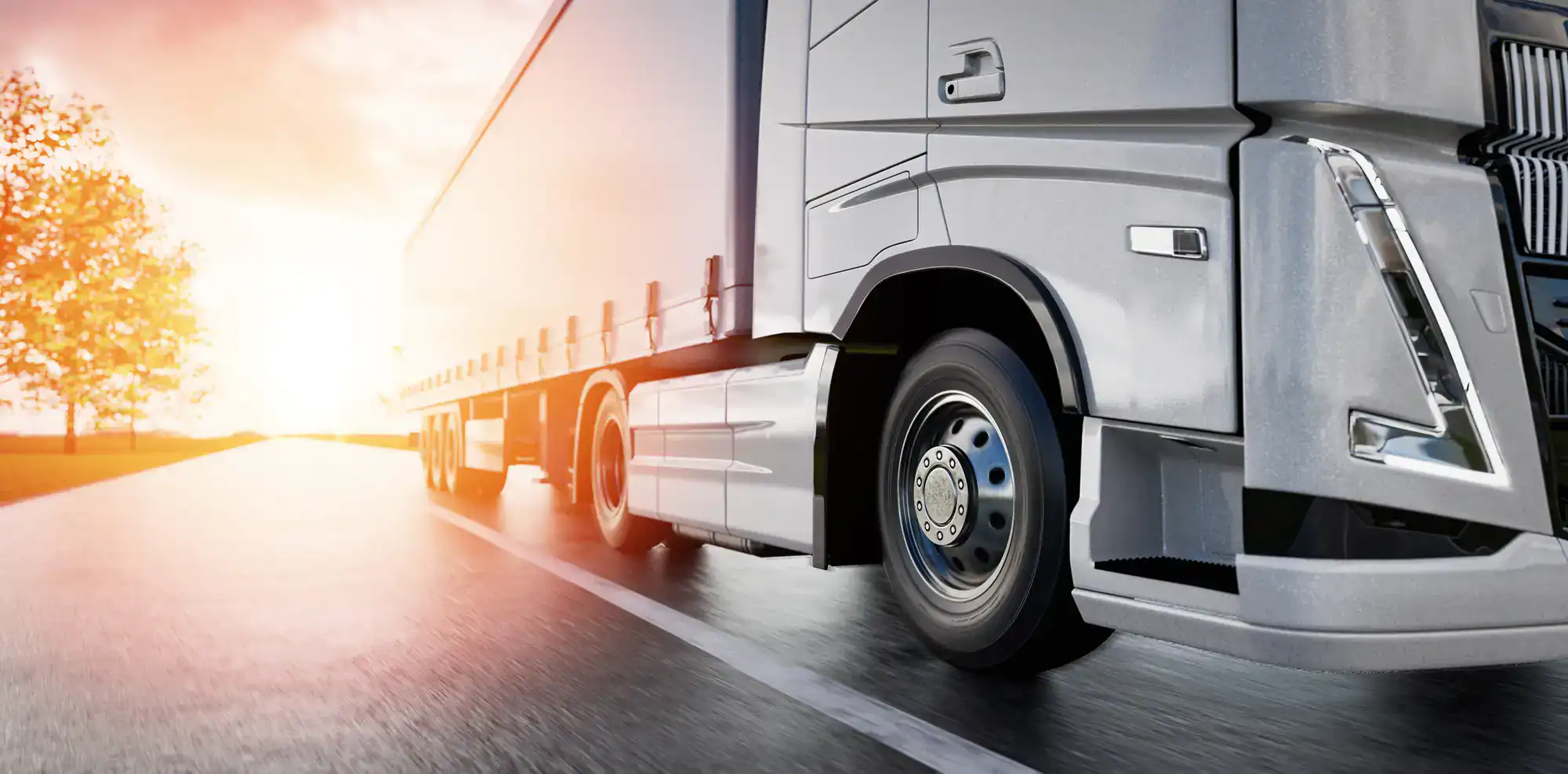
Riverside sits at the convergence of three major freight corridors SR-60, SR-91, and I-215 and CARB has remote emissions monitoring deployed across all of them. If your truck isn’t compliant, it’s only a matter of time before you receive a Notice to Submit to Testing. That gives you 30 days to produce a passing result. Not 30 days to think about it. Thirty days to get it done.
The Inland Empire already carries the second-worst ozone pollution ranking in the entire country, according to the American Lung Association. That’s not a stat that lives in a government report it’s the brown haze that hangs over the valley every summer, and it’s exactly why CARB enforcement here is as active as it is. Operating a non-compliant diesel truck in Riverside County isn’t a gray area. It’s a direct exposure to fines that can reach $10,000 per vehicle per day.
What changes when you’re compliant is simple: your truck stays registered, your loads don’t get rejected at the gate, and you don’t spend your week chasing paperwork through a government portal. We handle the test with CARB-certified OBD equipment and submit your results directly to CTC-VIS the moment the scan is complete. You walk away with a compliance certificate no portal login required on your end.
We’re based in Perris, CA directly south of Riverside on I-215, the same corridor that connects the city’s logistics hub near March Air Reserve Base to the rest of the Inland Empire. This isn’t a company that added Riverside to a service area map. We’re a local operator that runs the same routes you do and understands what’s at stake when a truck goes down. Our mobile diesel smog check comes to you anywhere in Riverside — quick, on location, and reported to CARB the same day.
Every tester on our team has completed CARB’s official HD I/M Tester Training Course, passed the required exam, and holds a credential that’s publicly listed on CARB’s own database. That’s verifiable before you ever book. The equipment we use is CARB-certified OBD hardware not a generic scan tool from a general repair shop. Tests done with the wrong equipment don’t count, and that’s a mistake you can’t afford to make twice.
Our service covers model year 2013 and newer heavy-duty vehicles with a GVWR over 14,000 pounds the exact trucks CARB’s Clean Truck Check program targets. Nothing outside that scope, nothing watered down. Just the right test, done right, submitted directly to the state.

The process starts before the test. Your truck needs to be registered in CARB’s CTC-VIS system and the annual compliance fee ($31.18 per vehicle for 2025) needs to be paid directly to CARB. That’s your responsibility before testing begins we handle the test itself, not the registration step. If you’re not sure whether your vehicle is already in the system, that’s worth confirming before you schedule.
Once you’re booked, a credentialed tester connects CARB-certified OBD equipment to your 2013-or-newer heavy-duty truck and runs the required scan. This isn’t a visual inspection or a general diagnostic it’s a protocol-specific emissions test designed for the Clean Truck Check program. The whole process is straightforward for a truck that’s running clean. For fleet operators near the March ARB logistics corridor or out of the Hunter Industrial Park, scheduling multiple vehicles in a single block is a practical option worth discussing when you call.
After a passing result, we submit it electronically and directly to CTC-VIS. You don’t log into a portal, you don’t upload anything, and you don’t wait for a confirmation email to know whether the submission went through. The compliance certificate becomes available in the system, and your truck’s record is updated. That’s the end of the process until the next testing cycle comes around, which under current CARB rules is every six months, moving to quarterly by October 2027.

Ready to get started?
The Clean Truck Check program applies to diesel and alternative-fuel heavy-duty vehicles that are model year 2013 or newer and carry a GVWR over 14,000 pounds. If your truck doesn’t meet both of those criteria, it falls outside this program entirely. We test only within this scope there’s no ambiguity about whether your vehicle qualifies when you call.
What you get from us is a CARB-certified OBD scan performed by a credentialed tester, followed by direct electronic submission of your results to CARB’s CTC-VIS database. That submission happens immediately after the test not at the end of the day, not when someone gets to it. The compliance certificate is generated through the state system once the result is recorded. For Riverside County operators dealing with DMV registration holds, freight brokers requiring proof of compliance, or NST letters with hard deadlines, that turnaround matters.
For fleet operators running trucks out of the warehouse and distribution yards around March ARB or the Sycamore Canyon Industrial Park, testing multiple vehicles efficiently is part of what makes this service practical at scale. Semi-annual testing is already in effect for 2025. Quarterly testing takes effect by October 2027. The operators who build a reliable testing relationship now are the ones who won’t be scrambling when that frequency doubles.
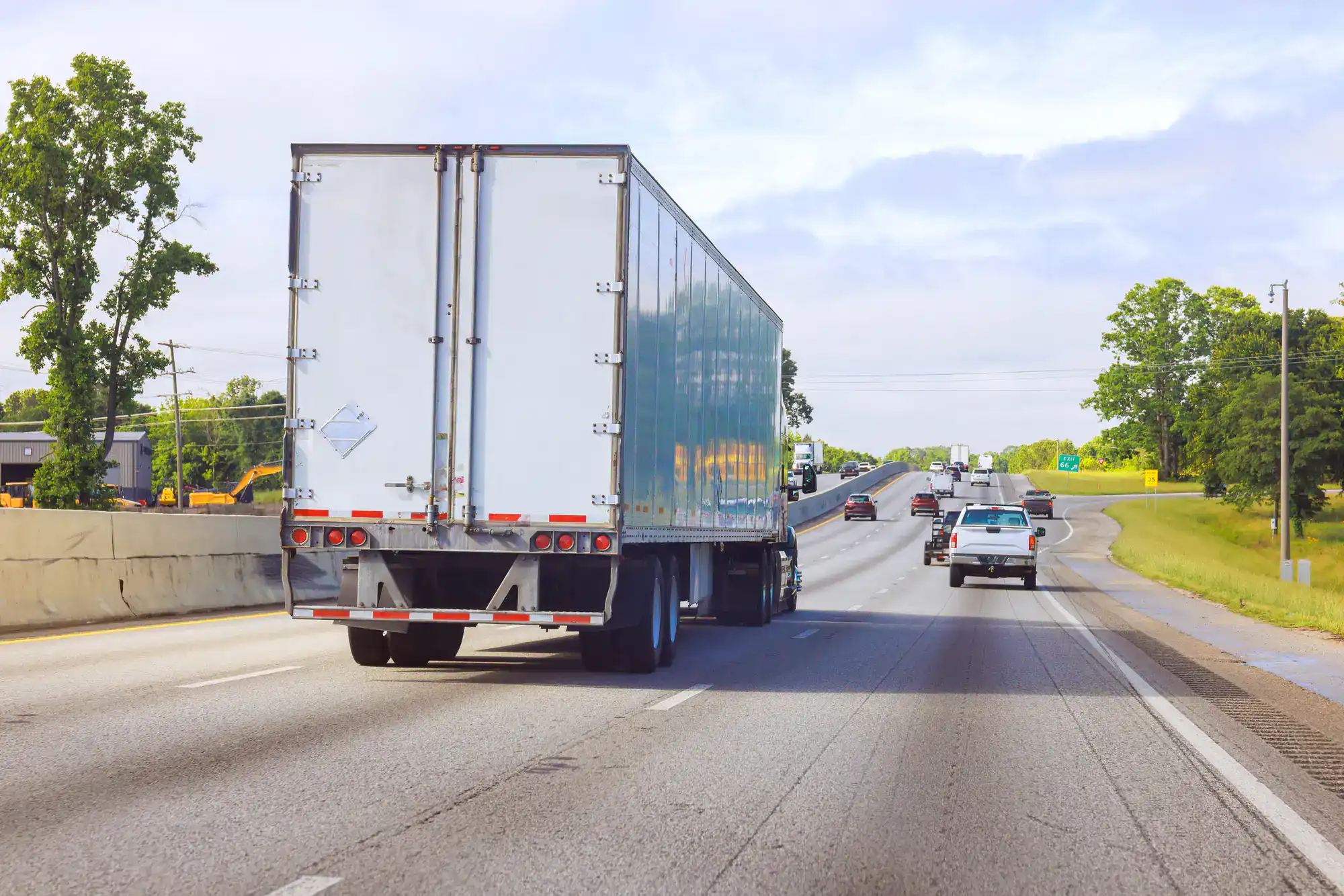
Yes CARB’s Clean Truck Check program applies based on where the vehicle operates, not where it’s registered. If your truck is model year 2013 or newer, carries a GVWR over 14,000 pounds, and operates in California, it’s subject to the program regardless of whether it’s registered in Arizona, Nevada, or any other state. This is a common situation for interstate carriers running freight through the SR-60 and I-215 corridors into Riverside and the Inland Empire.
The practical implication is that you still need to register the vehicle in CARB’s CTC-VIS system, pay the annual compliance fee, and submit a passing test result from a credentialed tester. The process is the same as it is for California-registered trucks. If you’re running regular loads through Riverside County and haven’t addressed this yet, it’s worth getting ahead of it CARB’s remote emissions monitoring on the major corridors doesn’t distinguish between in-state and out-of-state plates.
A failing test result doesn’t immediately trigger a fine or a compliance violation. What it means is that your truck needs repairs before it can pass, and you’ll need to retest before your compliance deadline. The deadline not the test result is what CARB enforces. So if you test early and the truck doesn’t pass, you have time to address the issue without the situation becoming an enforcement problem.
This is actually one of the stronger reasons to test well before your deadline rather than waiting until the last minute. CARB allows passing tests to be submitted up to 90 days before the compliance deadline, which gives you a real buffer. For Riverside-area operators managing multiple trucks or dealing with repair backlogs, that window can make a significant difference. We can walk you through what a failing result means for your specific vehicle and what your realistic timeline looks like from there.
As of 2025, most trucks subject to CARB’s Clean Truck Check program are required to test twice per year semi-annually. That cadence is already in effect, so if you’re managing a fleet in Riverside County and haven’t been testing on that schedule, you’re likely already behind.
The frequency is going to increase. By October 2027, the majority of qualifying trucks will be required to test quarterly four times per year. For a fleet running ten trucks out of a yard near the March ARB logistics corridor, that’s forty compliance tests per year within the next two years. It’s not a small administrative lift, and it’s not something to plan around at the last minute. The operators who establish a working relationship with a credentialed tester now one who submits directly to CTC-VIS and knows their fleet are going to be in a significantly better position when quarterly testing kicks in.
A DMV registration hold means your truck legally cannot operate on California roads until the compliance issue is resolved. That includes SR-60, SR-91, and I-215 the primary routes most Riverside-area operators depend on daily. Every day that truck isn’t running is lost revenue, so speed matters here.
The path forward is straightforward: get a passing Clean Truck Check result from a CARB-credentialed tester, have that result submitted directly to CTC-VIS, and then work with the DMV to clear the hold once the compliance record is updated in the state system. We can schedule quickly, perform the OBD scan with CARB-certified equipment, and submit the result directly to CARB’s database the same day. The compliance certificate is generated through the state system once the result is recorded. From there, you take that documentation to the DMV to resolve the hold. Don’t let the hold sit the longer it goes, the more it compounds.
It has to be a credentialed tester and that credential matters more than most people realize. CARB’s Clean Truck Check program requires that tests be performed by testers who have completed CARB’s official HD I/M Tester Training Course, passed the required exam, and hold a valid Certificate of Completion. That credential is renewed every two years and is publicly listed on CARB’s own database. You can look up any tester before you book.
Beyond the tester credential, the equipment also has to be right. CARB requires specific certified OBD testing devices for Clean Truck Check compliance tests. A general smog shop using standard diagnostic tools even a good shop with experienced technicians cannot produce a test result that CARB will accept for this program. If you pay for a test at a shop that isn’t using CARB-certified OBD hardware, that result won’t count. You’ll have wasted the money and the time, and your deadline will still be running. We use the correct equipment and hold the required credential both are verifiable before you schedule.
Yes they’re two completely separate charges. The annual compliance fee is paid directly to CARB through the CTC-VIS portal, and for 2025 it’s set at $31.18 per vehicle. That fee is adjusted annually based on the California Consumer Price Index, so it may shift slightly year to year. This is a state fee, not something paid to your tester it goes directly to CARB when you register your vehicle in the CTC-VIS system.
The testing fee is what you pay to us for the actual OBD scan and direct submission to CTC-VIS. Those are two distinct costs that cover two distinct parts of the compliance process. For Riverside County fleet operators managing multiple vehicles, it’s worth understanding that the $31.18 fee applies per vehicle so a ten-truck fleet is paying $311.80 annually in state fees alone, before testing costs. With semi-annual testing already required and quarterly testing arriving by October 2027, building a clear picture of your total annual compliance cost now makes the planning process a lot more manageable.
Useful Links
Other Services we provide in Riverside