Check Out Our Reviews!

From single owner-operators to full fleets, we provide diesel smog checks throughout Pasadena, right where your trucks are parked. When your truck is flagged by a roadside emissions monitor on I-210 in Pasadena, you don’t get a warning. You get a Notice to Submit to Testing with a 30-day deadline. Every day that truck sits idle waiting on paperwork is a day it’s not earning. Getting your Clean Truck Check done through a credentialed tester with direct CARB submission means your certificate is in the system before that situation ever becomes yours.
Pasadena sits at the base of the San Gabriel Mountains, and that geography matters. Pollutants including diesel particulate matter don’t disperse easily here. With only about 21 inches of rain per year, there’s no natural reset. The South Coast Air Quality Management District is one of the most active enforcement agencies in the country, and they operate right here in this airshed. CARB’s Clean Truck Check program exists because of places exactly like Pasadena, and enforcement reflects it.
There’s also a routing reality unique to Pasadena that most truck operators don’t think about until it’s too late. SR-110 the most direct road between Pasadena and downtown Los Angeles is legally off-limits to commercial vehicles over 6,000 pounds. That means every heavy-duty truck in this area is routed onto I-210 or SR-134 every single time. Those are the corridors CARB monitors. There’s no alternate route around compliance here.
We are a CARB-credentialed Clean Truck Check testing provider serving Los Angeles County which means Pasadena, the I-210 corridor, and the full San Gabriel Valley are squarely in our service area. Our testers completed CARB’s official HD I/M Tester Training Course and passed the state exam. That credential is publicly listed in CARB’s tester database, and you can verify it before you ever call us.
We test exclusively model year 2013 or newer heavy-duty vehicles with a GVWR over 14,000 pounds the exact population California’s Clean Truck Check program covers. We don’t do passenger car smog checks on the side. Every piece of equipment we use is CARB-certified for this program specifically, not a generic diagnostic tool.
When a test is complete, results go directly to CARB’s CTC-VIS database. No manual uploads, no portal navigation on your end, no risk of a submission error that invalidates your test. For fleet operators running vehicles through Pasadena whether you’re supporting JPL logistics, Huntington Hospital supply chains, or your own commercial routes that accuracy matters every time.

The process starts with scheduling. You contact us, confirm your vehicle qualifies model year 2013 or newer, GVWR over 14,000 pounds and we set a time. If you received a Notice to Submit to Testing, tell us upfront. That 30-day window moves fast, and we’ll prioritize accordingly.
On the day of the test, our technician connects a CARB-certified OBD testing device to your vehicle’s diagnostic port. This is not a visual inspection or a general scan it’s a specific emissions compliance test designed for the Clean Truck Check program. For vehicles subject to opacity testing, that step is handled as well. The whole process is efficient. Your truck doesn’t need to be down for long.
Once the test is complete, results are submitted electronically and directly to CARB’s CTC-VIS database. There’s no gap between test completion and submission. Your compliance record is updated in real time. If you’re managing a fleet across multiple vehicles with staggered deadlines common for institutional operators in Pasadena running on the I-210 and SR-134 corridors that immediate submission is what keeps your compliance documentation clean and current without chasing paperwork.

Ready to get started?
The CARB Clean Truck Check applies to diesel and alternative-fuel heavy-duty vehicles that are model year 2013 or newer with a GVWR over 14,000 pounds. If your vehicle doesn’t meet both of those criteria, it’s not in this program. We test only this population no exceptions, no scope creep.
What the test covers: an OBD-based emissions compliance scan using CARB-certified equipment, smoke opacity testing where required, and a visual inspection component as part of the full Clean Truck Check process. Results are submitted directly to CTC-VIS the same day. You’ll also need to be current on your $31.18 annual compliance fee through CARB’s portal that’s separate from the testing fee and paid directly to the state, but we’ll walk you through it if you haven’t registered yet.
For Pasadena-area operators, the compliance calendar is worth paying attention to. Semi-annual testing twice per year is the current requirement for 2025. By October 2027, most vehicles in this program will move to quarterly testing, meaning four tests per year. If you’re managing a fleet for the City of Pasadena, a hospital supply operation, a school district, or a contractor running loads through the San Gabriel Valley, that escalation is a planning issue now, not later. We are set up to handle recurring compliance for multi-vehicle fleets with the same direct-submission process every time.
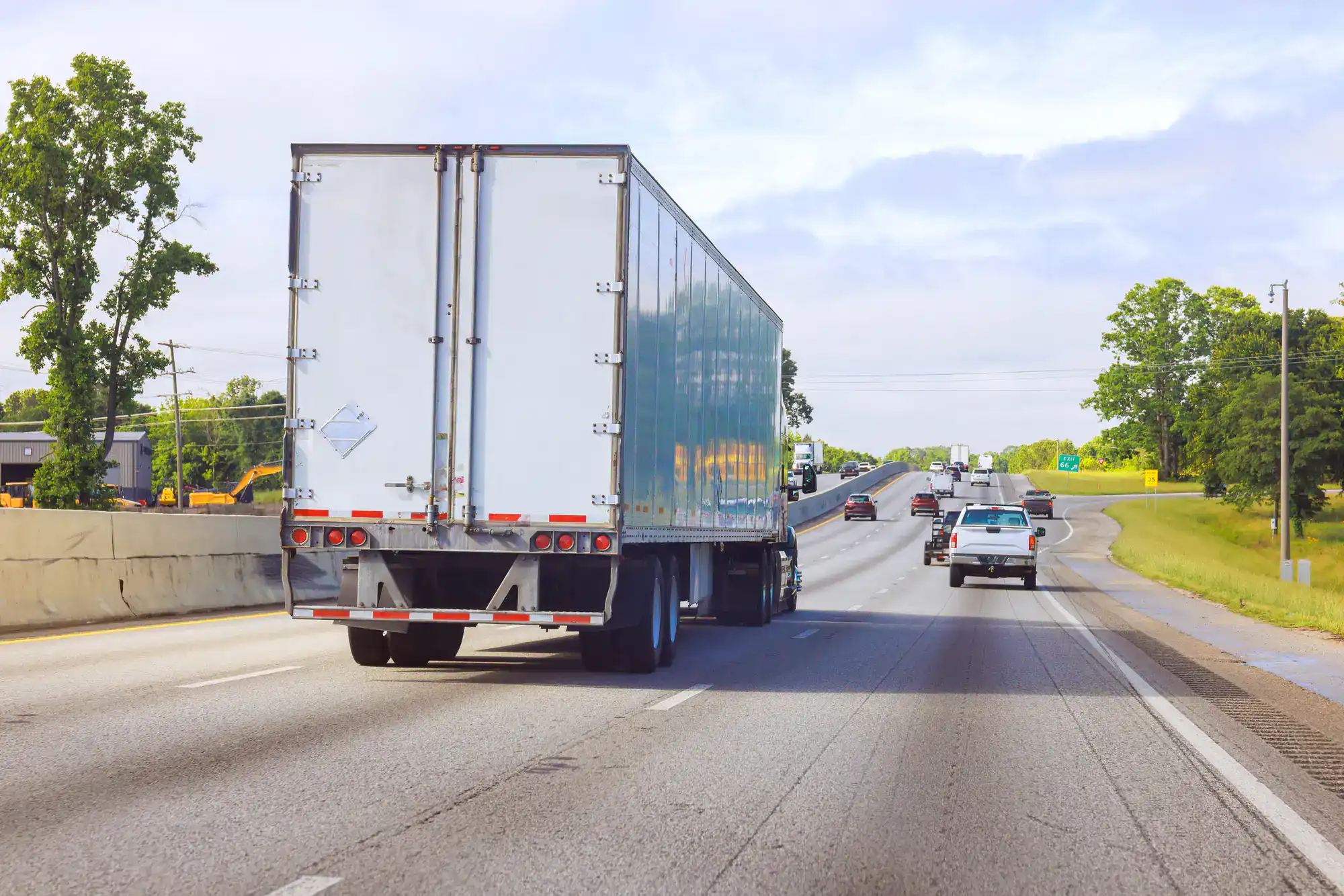
Yes and this catches a lot of operators off guard. California’s Clean Truck Check program applies to any qualifying vehicle operating on California public roads, regardless of where it’s registered. If your truck is model year 2013 or newer with a GVWR over 14,000 pounds and it runs through California including through Pasadena on I-210 you’re subject to the same compliance requirements as a California-registered fleet.
CARB deploys roadside emissions monitoring devices at fixed locations throughout the state. Trucks flagged by those devices receive a Notice to Submit to Testing with a 30-calendar-day response window. Being registered in Arizona, Nevada, or Texas doesn’t exempt you from that notice or that deadline. If you’re an interstate carrier routing through the San Gabriel Valley regularly, getting your Clean Truck Check on file before you’re flagged is the move. We serve Los Angeles County and can get your results submitted directly to CTC-VIS so your compliance record is current before your next California run.
Missing your compliance deadline triggers a chain of consequences that escalates quickly. CARB can issue fines of up to $10,000 per vehicle per day for non-compliance. Your vehicle’s DMV registration can be placed on hold, which means you can’t legally renew it. Freight brokers and port facilities increasingly check compliance status before accepting loads a non-compliant truck can be turned away at the gate before it ever gets to work.
For operators running loads through Pasadena on I-210 and SR-134 the only routes available to heavy-duty trucks in this area, since SR-110 is off-limits to vehicles over 6,000 lbs that kind of disruption hits fast and hard. A truck that can’t legally operate in California isn’t just a compliance problem. It’s a revenue problem. The testing fee is a fraction of what one day of downtime costs. If your deadline has already passed, contact us as soon as possible. Getting a passing test on file stops the clock on further violations and starts the process of clearing your registration hold.
As of 2025, most vehicles subject to California’s Clean Truck Check program are required to test semi-annually twice per year. CARB staggers compliance deadlines based on vehicle registration, so your specific due dates depend on your individual record in CTC-VIS. If you’re not sure when your next test is due, logging into CARB’s Clean Truck Check portal at cleantruckcheck.arb.ca.gov will show you your vehicle’s current compliance status and upcoming deadlines.
What’s important to plan for right now is what’s coming. By October 2027, the testing frequency for most vehicles in this program increases to quarterly four times per year. For a single owner-operator, that’s a manageable calendar. For a fleet manager running multiple vehicles through Pasadena’s institutional and commercial corridors, it’s a logistics issue that benefits from a reliable compliance partner rather than a last-minute scramble every few months. We are set up to handle recurring fleet testing with direct CTC-VIS submission each time, so your records stay current without the administrative burden landing on you.
The program covers diesel and alternative-fuel heavy-duty vehicles that meet two specific criteria: model year 2013 or newer, and a GVWR over 14,000 pounds. Both conditions have to be true. A 2015 truck under 14,000 pounds GVWR doesn’t qualify. A 2008 truck over 14,000 pounds GVWR doesn’t qualify either. We test only vehicles that meet both thresholds we don’t offer general smog checks for passenger vehicles or lighter commercial trucks.
In Pasadena, the vehicles that typically fall into this program include delivery fleets, institutional supply vehicles, utility trucks, school district buses and support vehicles, and freight haulers running the I-210 and SR-134 corridors. If you’re not sure whether your specific vehicle qualifies, the fastest way to check is to confirm the model year and pull the GVWR off the door placard or registration. If it meets both criteria, it’s in the program and needs to be tested. If you’re still unsure, call us and we’ll tell you straight.
Yes, and you should move on it immediately. A Notice to Submit to Testing gives you 30 calendar days from the date of receipt to submit a passing emissions compliance test performed by a CARB-credentialed tester. That window sounds reasonable until you factor in scheduling, travel, and the possibility of a retest if something flags during the initial scan. Thirty days goes faster than it seems.
We serve Los Angeles County, including Pasadena and the surrounding San Gabriel Valley. When you contact us with an NST in hand, we prioritize your scheduling accordingly. The test itself is efficient OBD scan, any required opacity testing, and direct electronic submission to CTC-VIS the same day. There’s no manual upload process on your end and no waiting to find out if your results were received. Once the test is complete and submitted, your compliance record in CARB’s database is updated in real time. If your truck was flagged on I-210 or anywhere else in the region, getting your test done through a credentialed tester with direct submission is the only path to clearing that notice.
It does. The CARB Clean Truck Check program applies based on the vehicle not where it’s operating or what it’s doing when it’s in California. If a truck meets the 2013-or-newer and over-14,000-pound GVWR criteria, it needs to be in compliance whether it’s running a regular freight route on I-210, making deliveries to a job site in Old Town Pasadena, or supporting event logistics at the Rose Bowl.
Event contractors, staging companies, equipment haulers, and supply vendors working at the Rose Bowl which hosts UCLA games, the annual Rose Bowl Game, major concerts, and the Tournament of Roses throughout the year are subject to the same compliance requirements as any other commercial operator. The same applies to trucks working construction or supply routes around Caltech, JPL, or Huntington Hospital. The program doesn’t carve out exemptions for event work or short-term California operations. If the vehicle qualifies and it’s on a California public road, compliance is required. We can test your vehicle and get your results into CARB’s system before your next job in the area.
Useful Links
Other Services we provide in Pasadena