
Check Out Our Reviews!

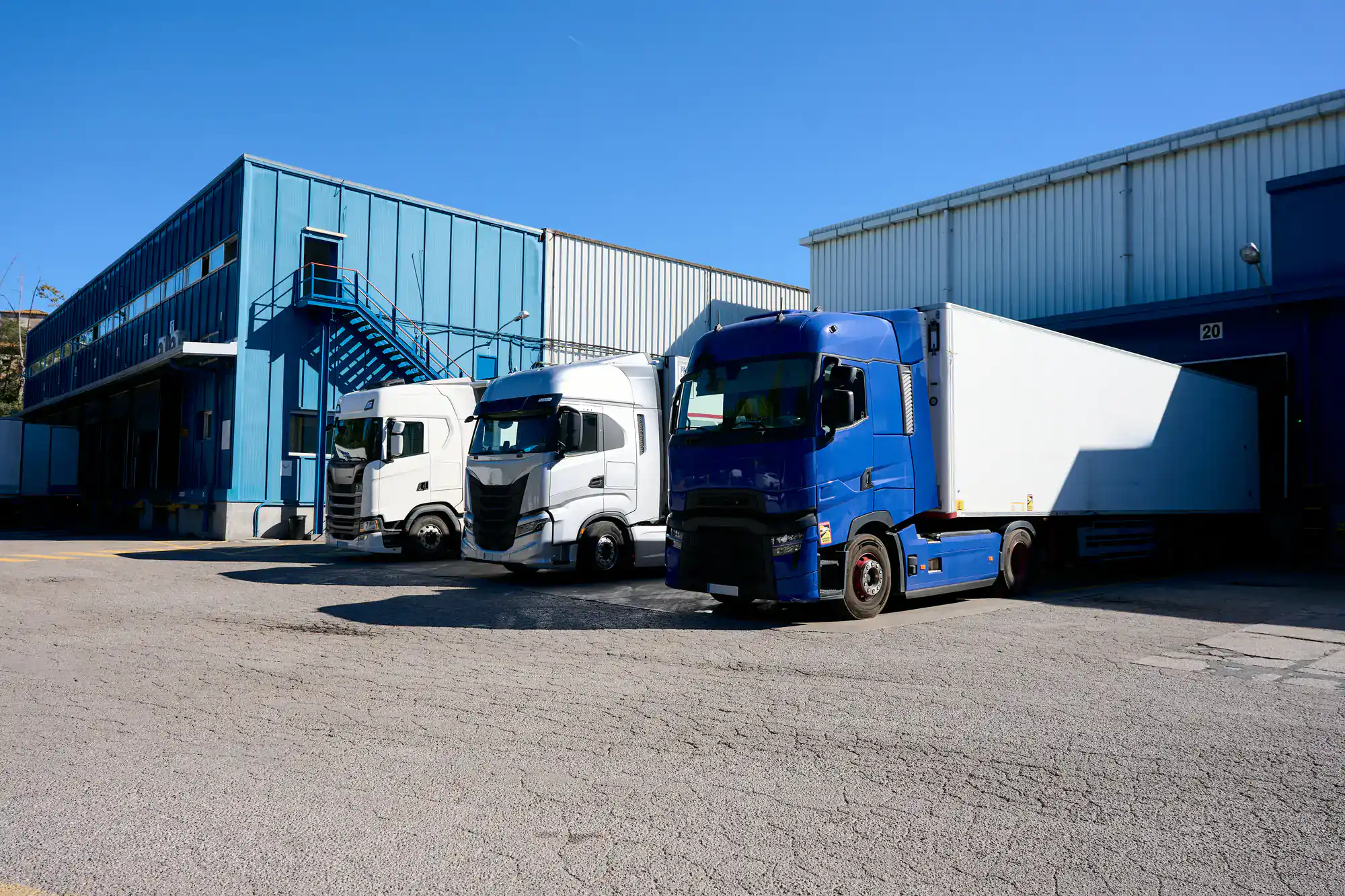
Menifee is growing fast warehouses going up, distribution routes expanding, and more commercial trucks running the I-215 corridor every month. That growth is exactly what CARB is watching. The Clean Truck Check program is fully enforced as of 2025, and if your truck meets the threshold 2013 or newer, over 14,000 pounds GVWR you’re already on the compliance calendar whether you know it or not.
The real cost of ignoring it isn’t the testing fee. It’s the DMV registration block that grounds your truck, or fines that can reach $10,000 per vehicle per day. For an owner-operator running loads between Menifee and the ports, even one day off the road is a problem. A few days is a financial hit you don’t recover from quickly.
What you get when you work with us is more than just a passing result it’s the peace of mind that the test was done right, submitted directly to CARB’s CTC-VIS database, and your compliance record is updated before you leave. No portal headaches. No follow-up calls wondering if it went through. Done.
We operate out of Perris, CA about 8 to 12 miles north of Menifee on Interstate 215. That’s not a coincidence. This is the corridor where Riverside County’s freight moves, and it’s the market we built this service around. We’re not a general smog shop that added a new service line. CARB Clean Truck Check testing is what we do, and we do it specifically for the trucks CARB’s program was designed for.
Our testers hold state-issued CARB credentials publicly verifiable on CARB’s official database and every test we perform uses CARB-certified OBD equipment. When the test is complete, results go directly to CTC-VIS. You don’t touch the portal. You don’t wonder if the submission went through. You get back on the road.
Menifee operators from the warehousing corridors near the McCall Boulevard interchange to owner-operators staging out of Sun City have a credentialed option that’s close, fast, and knows exactly what CARB requires.

The process starts with confirming your truck qualifies model year 2013 or newer, GVWR over 14,000 pounds. If you’re not sure whether your vehicle falls under the Clean Truck Check program, that’s the first question we answer before anything else. No guesswork, no wasted trips.
Once we confirm eligibility, we connect CARB-certified OBD testing equipment directly to your truck’s diagnostic port. This isn’t a generic scanner it’s equipment specifically approved by the California Air Resources Board for this program. The test reads your truck’s onboard emissions data and generates a compliance result. The whole process is straightforward and doesn’t require your truck to be out of service for long.
The moment the test is complete, results are submitted electronically to CARB’s CTC-VIS database. That’s it. Your compliance record is updated in real time. For Menifee operators running tight schedules on the I-215 freight corridor especially with semi-annual deadlines already in effect and quarterly testing coming by October 2027 that speed and simplicity matters. You’re not chasing paperwork. You’re back on the road.

Ready to get started?
Every Clean Truck Check we perform covers the full scope CARB requires: eligibility verification, OBD scan using CARB-certified equipment, a compliance result, and direct electronic submission to CTC-VIS. There’s no step you have to manage on your end after the test is done.
This service applies specifically to diesel and alternative-fuel heavy-duty vehicles model year 2013 or newer with a GVWR over 14,000 pounds. That includes semi-trucks, large commercial trucks, and fleet vehicles running the distribution and freight routes that run through Menifee’s growing industrial corridors. If your vehicle doesn’t meet both thresholds, it doesn’t fall under this program. We’ll tell you that upfront rather than run a test that doesn’t apply.
Menifee sits in the South Coast Air Basin, one of the most actively regulated air quality zones in the country. CARB enforcement here isn’t theoretical it’s real, it’s funded, and it’s tied directly to the diesel traffic on I-215 that affects air quality for the 119,000 people living in this city. The annual CARB compliance fee is $31.18 per vehicle. Our testing fee is separate and transparent. What’s not transparent is the cost of skipping it and that’s the number worth knowing before you decide.
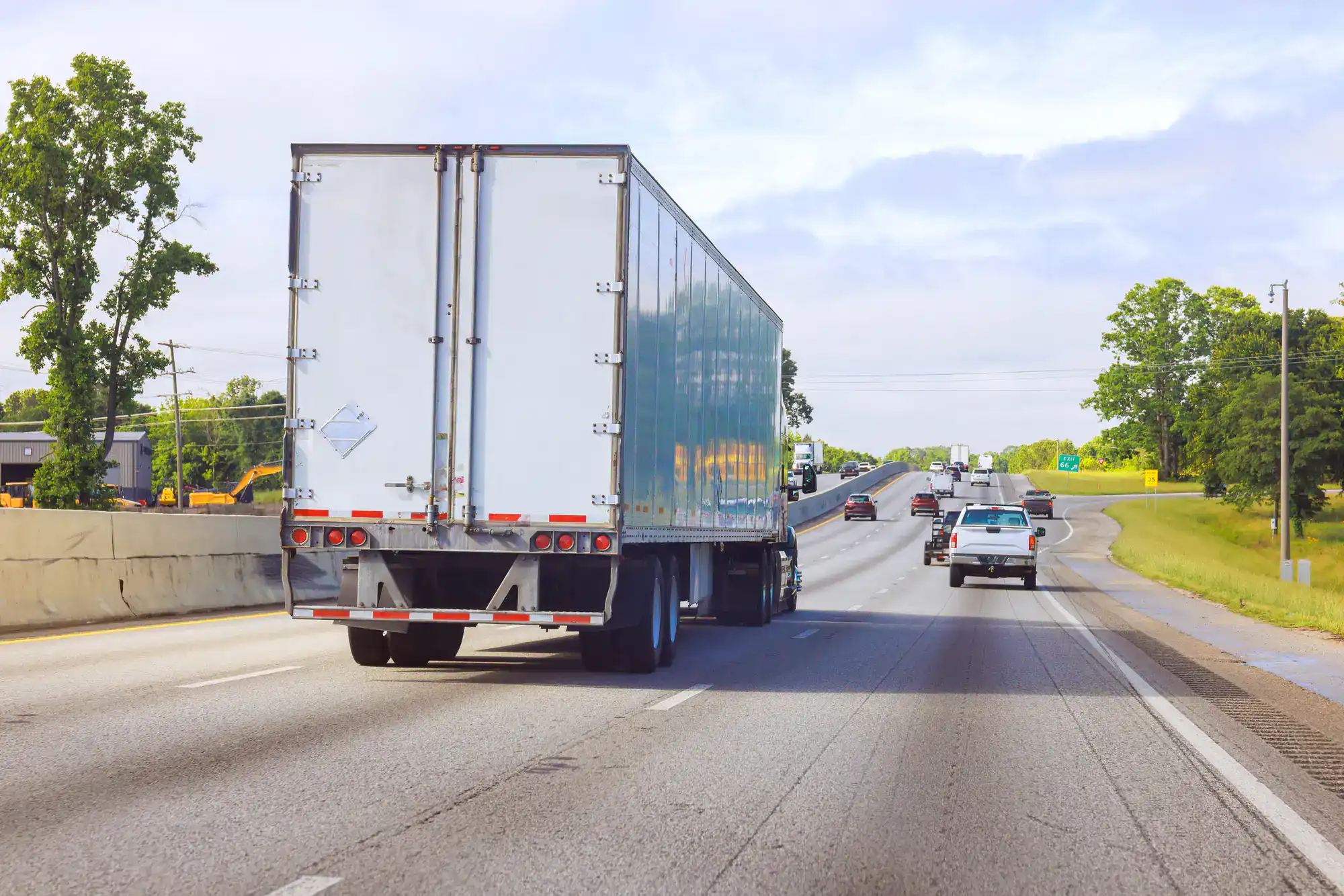
If your truck is a diesel or alternative-fuel heavy-duty vehicle, model year 2013 or newer, with a GVWR over 14,000 pounds, then yes it falls under California’s Clean Truck Check program regardless of where you’re based. Being located in Menifee doesn’t exempt you, and neither does operating primarily on local routes rather than long-haul freight runs.
Riverside County, including Menifee, falls within the South Coast Air Basin one of the most regulated air quality zones in the United States. CARB’s enforcement reach covers every public road in California, which means trucks running distribution routes between Menifee warehouses, the I-215 corridor, and points toward the ports are all subject to the same compliance requirements. If you’re not sure whether your specific vehicle qualifies, the fastest way to find out is to call us directly with the year, make, and GVWR we’ll give you a straight answer.
Missing your compliance deadline triggers an automatic DMV registration hold. That means when your registration comes up for renewal, it won’t go through until your vehicle shows a passing Clean Truck Check result in CARB’s CTC-VIS database. For an owner-operator or fleet manager in Menifee, that’s not an inconvenience it’s a truck that can’t legally operate.
Beyond the registration block, CARB has authority to issue fines of up to $10,000 per vehicle per day for non-compliance. Ports and freight facilities can also deny access to trucks that aren’t current. The annual CARB compliance fee is $31.18 the cost of testing is a fraction of one day’s fine exposure. If you’ve already missed a deadline or received a Notice to Submit to Testing, the clock is running. A 30-day NST window doesn’t leave much room to wait.
As of 2025, most affected heavy-duty vehicles are on a semi-annual testing schedule two tests per year, roughly every six months. Your specific deadline is tied to your vehicle’s registration date, so the timing varies by truck. That said, we provide a 90-day window before each deadline during which you can complete the test, which gives you some flexibility in scheduling.
What’s worth knowing now is that the testing frequency is increasing. By October 2027, many vehicles will move to quarterly testing four times per year. That’s a significant jump in compliance overhead for fleet operators and owner-operators alike. Menifee’s warehouse and distribution sector is growing quickly, which means more trucks, more deadlines, and more demand for credentialed testing. Getting a reliable testing process in place now, before the schedule escalates, is the smarter move.
Yes. CARB’s Clean Truck Check program applies to any qualifying heavy-duty vehicle operating on California public roads it’s not limited to California-registered trucks. If your truck is registered in Arizona, Nevada, Texas, or any other state but runs freight through Menifee and onto the I-215 corridor, you’re subject to the same compliance requirements as a California-registered vehicle.
This catches a lot of interstate carriers off guard, especially those staging in Riverside County or making regular deliveries to distribution facilities in the Menifee area. The test process is identical regardless of where the truck is registered OBD scan with CARB-certified equipment, result submitted to CTC-VIS. If you’re operating in California regularly and haven’t confirmed your compliance status, it’s worth getting that sorted before CARB’s roadside monitoring equipment flags your vehicle and triggers a Notice to Submit to Testing.
They’re completely different programs targeting different vehicles with different equipment and different regulatory requirements. A standard smog check the kind offered at shops throughout Menifee is designed for passenger cars and light-duty vehicles. It tests tailpipe emissions using a dynamometer or OBD reader, and results go to the state’s SMOG database.
The CARB Clean Truck Check is a separate program specifically for diesel and alternative-fuel heavy-duty vehicles model year 2013 or newer, GVWR over 14,000 pounds. It requires a CARB-credentialed tester using CARB-certified OBD equipment, and results must be submitted directly to CARB’s CTC-VIS database. A standard smog shop cannot perform this test in a way CARB will accept, even if they have general OBD diagnostic tools. If you’ve been told a regular smog check satisfies your CARB compliance requirement for a heavy-duty truck, that information is incorrect.
CARB maintains a publicly searchable database of credentialed HD I/M testers on their official website. You can look up any tester by name or business and confirm whether they hold a current, valid credential. The credential is state-issued, requires completing CARB’s official HD I/M Tester Training Course and passing the accompanying exam, and must be renewed every two years. It’s not a self-declared certification it’s verifiable.
This matters in Menifee specifically because the local smog shops that show up in search results for emissions testing including shops that serve the Sun City and Quail Valley areas are standard smog stations serving the passenger vehicle market. They are not credentialed for Clean Truck Check. Running your qualifying heavy-duty truck through one of those shops won’t satisfy your CARB compliance requirement, and it won’t clear a DMV registration hold. Our credentials are on CARB’s list. You can check before you call.
Useful Links
Other Services we provide in Menifee