Check Out Our Reviews!
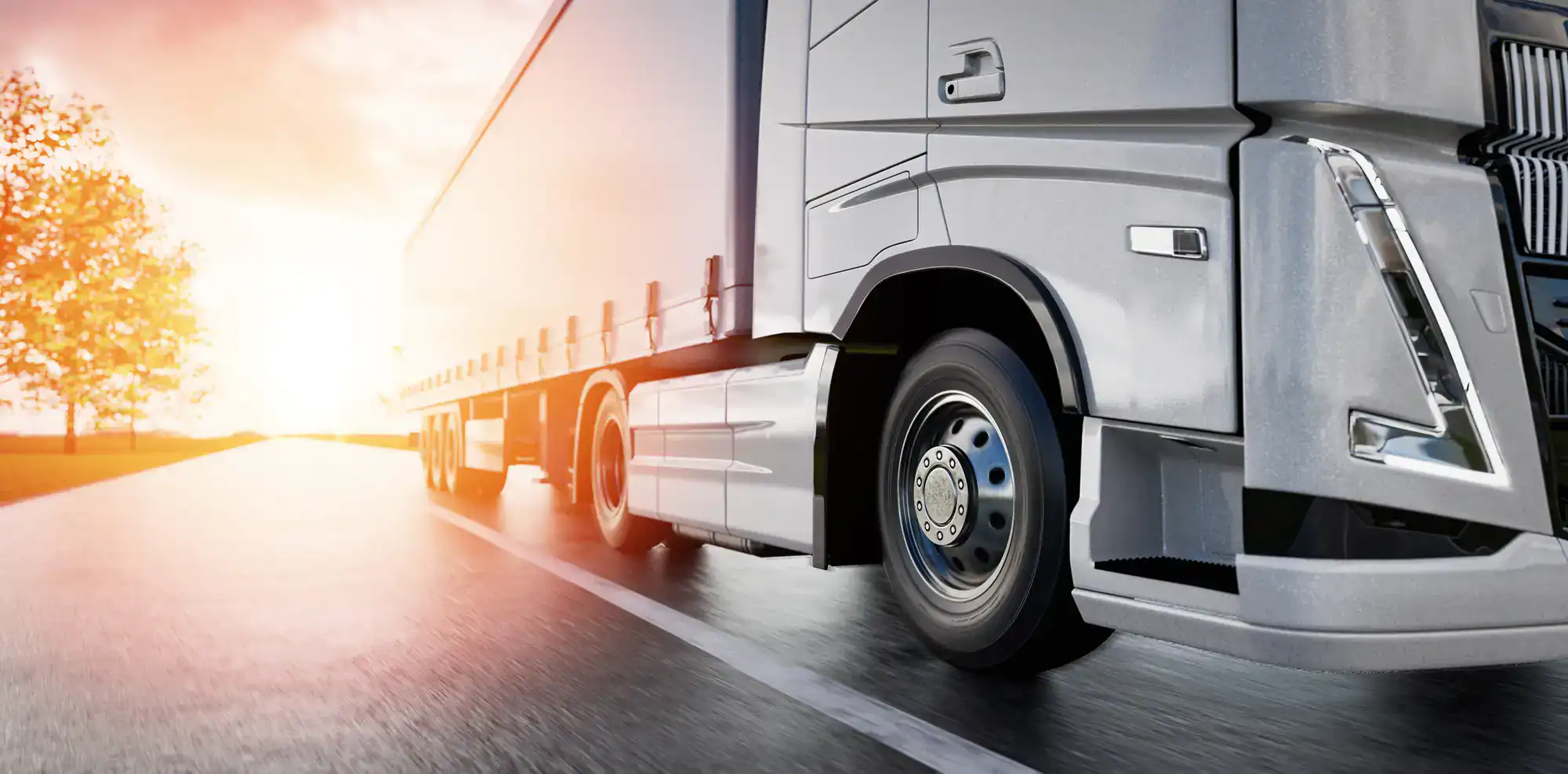
A DMV registration hold doesn’t send a warning. It just shows up and when it does, your truck doesn’t move. For operators running loads to LAX cargo facilities or delivering through Manhattan Beach’s dense residential corridors, that means revenue stops the same day. CARB enforcement penalties can reach $10,000 per vehicle per day, and the math gets uncomfortable fast if you’re running more than one truck.
What makes Manhattan Beach different from most of LA County is the concentration of commercial traffic on surface streets. Because there’s no direct I-405 interchange within city limits, trucks entering and leaving the area funnel through Hawthorne Boulevard, Rosecrans Avenue, and Sepulveda Boulevard exactly the kind of high-volume corridors where CARB deploys roadside emissions monitoring devices. These devices can flag your truck without a traffic stop. There’s no safe window to stay non-compliant and hope no one notices.
The Clean Truck Check applies to model year 2013 or newer trucks with a GVWR over 14,000 pounds. If your truck fits that description and it’s operating on California roads including the routes connecting Manhattan Beach to El Segundo, Hawthorne, and the LAX air cargo zone you’re in the program. Testing is currently required twice a year, and by October 2027, most trucks will need to test four times a year. Getting ahead of that schedule now is the smarter move.
We hold a CARB-issued Heavy-Duty I/M Tester credential not a self-declared qualification, but a state-issued credential that requires completing CARB’s official training course, passing an exam, and renewing every two years. It’s listed on CARB’s public database, which means you can look it up before you ever call.
Every test we perform uses OBD scanning equipment that has been certified by the California Air Resources Board specifically for use in the Clean Truck Check program. Generic diagnostic scanners don’t meet CARB’s requirements and a test run on non-approved equipment won’t be accepted by CTC-VIS, leaving you no more compliant than when you started.
We serve Los Angeles County, including Manhattan Beach and the full South Bay region from the Aviation Corridor along Rosecrans and Aviation Boulevard down through Lawndale, Redondo Beach, and Hermosa Beach. When the test is done, we submit results electronically and directly to CARB’s CTC-VIS database. You don’t touch the portal. You don’t manage any part of the submission. It’s handled.

The Clean Truck Check is an OBD-based emissions test. That means we connect certified scanning equipment directly to your truck’s onboard diagnostic port and read the emissions data the vehicle is already recording. It’s not a visual inspection, and it’s not a traditional smog check it’s a data pull from your truck’s own system, evaluated against CARB’s acceptance criteria for your vehicle’s model year and engine configuration.
Once the scan is complete, we submit results electronically and directly to CARB’s CTC-VIS system. Your compliance record is updated in real time no manual upload, no paperwork for you to track down, no risk of a submission error that leaves your status in limbo. For operators running tight schedules out of the LAX air cargo corridor or the Aviation Corridor business district in northeastern Manhattan Beach, that turnaround matters. Downtime isn’t an option.
One thing worth knowing: the $31.18 annual CARB compliance fee you may have already paid is a separate charge from the testing service itself. Paying that fee does not make your truck compliant it’s the test result, submitted to CTC-VIS, that establishes your compliance status. A lot of truck owners don’t realize that until they get an NST letter or find a registration hold. We test model year 2013 or newer trucks with a GVWR over 14,000 pounds the exact population CARB’s Clean Truck Check targets.

Ready to get started?
Every Clean Truck Check we perform includes the OBD scan using CARB-certified equipment, real-time evaluation of your truck’s emissions data against CARB’s program standards, and direct electronic submission of results to the CTC-VIS database. Your compliance certificate is issued through the system there’s nothing for you to print, upload, or submit on your end.
For Manhattan Beach operators, the local context matters. The city’s Air Quality Index reached 115 in 2024 classified as significantly worse than average driven in part by proximity to LAX and the Chevron El Segundo refinery complex directly to the north. CARB’s Clean Truck Check program exists because of exactly this kind of cumulative emissions pressure in dense freight corridors. Compliance isn’t just a regulatory checkbox here it’s the baseline for operating in one of the most monitored commercial corridors in Southern California.
If your truck has triggered a Notice to Submit to Testing (NST letter) or you’re dealing with a DMV registration hold, we can get you tested and submitted quickly. Out-of-state trucks operating on California roads near LAX or through the South Bay are subject to the same requirements as California-registered vehicles no exceptions. We serve model year 2013 or newer heavy-duty trucks with a GVWR over 14,000 pounds. If your truck fits those parameters and it’s running in Los Angeles County, this test is for you.
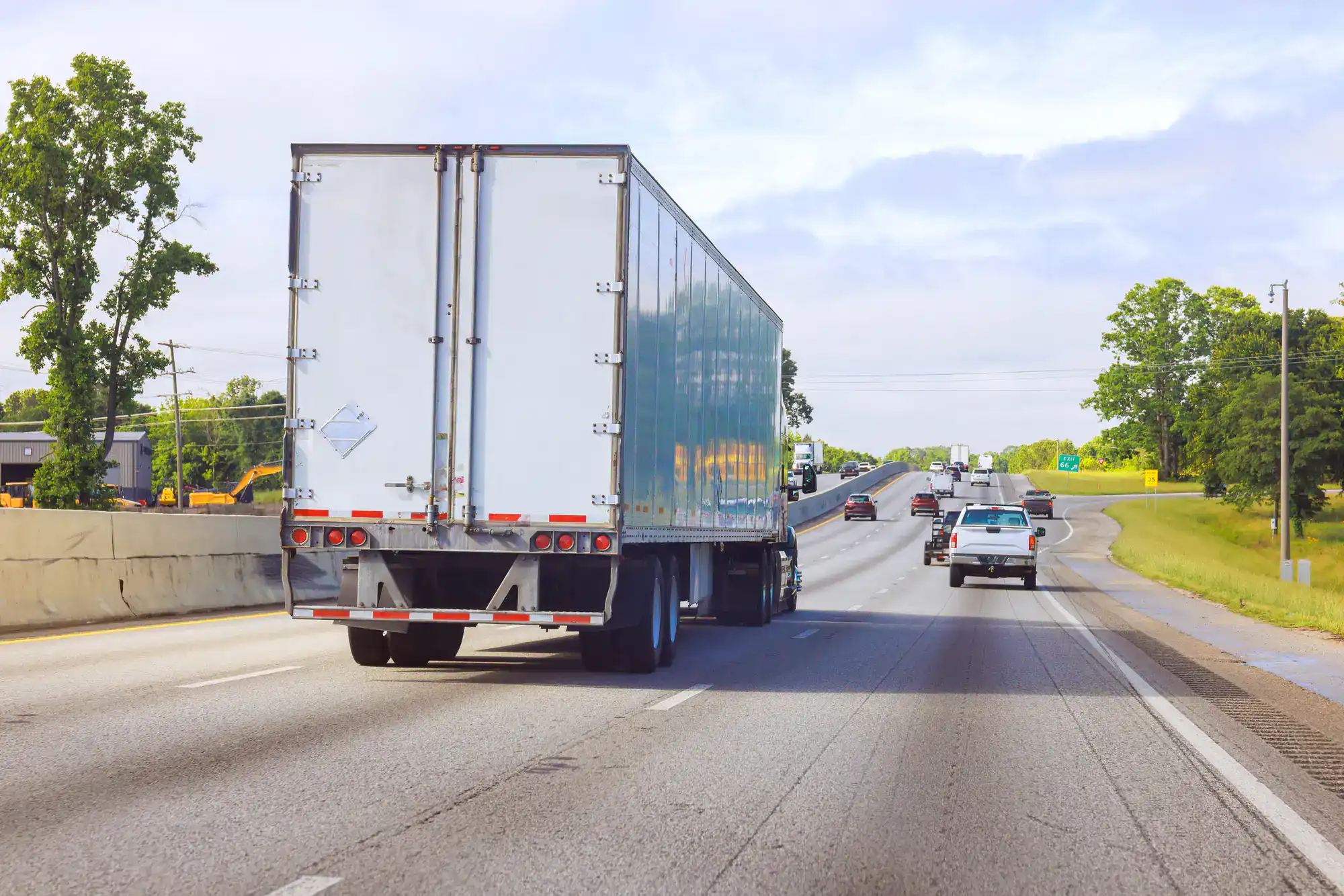
If your truck is model year 2013 or newer and has a GVWR over 14,000 pounds, yes it’s subject to California’s Clean Truck Check program, regardless of where it’s registered or what routes it runs. Operating near LAX doesn’t create a special exemption, and it doesn’t trigger additional requirements beyond what CARB already mandates statewide. What it does mean is that you’re operating in one of the most actively monitored freight corridors in the state.
CARB deploys roadside emissions monitoring devices on high-traffic surface routes exactly the kind of corridors that Manhattan Beach commercial trucks use daily, including Sepulveda Boulevard (State Route 1) and Rosecrans Avenue. These devices can identify non-compliant vehicles without a traffic stop. If your truck gets flagged and you don’t have a current passing test on file in CTC-VIS, you’re looking at a registration hold, potential fines, and possible denial of access to freight facilities at LAX and the Ports of Los Angeles and Long Beach.
This is one of the most common points of confusion in the program. The $31.18 annual CARB compliance fee is a program enrollment charge it does not make your truck compliant. Compliance is established by completing a passing Clean Truck Check test and having those results submitted to CARB’s CTC-VIS database by a credentialed tester. Until that test is on file, your truck is not compliant, regardless of whether the fee has been paid.
A lot of truck owners discover this the hard way when they receive a Notice to Submit to Testing or find a DMV registration hold already in place. If you’ve paid the annual fee but haven’t completed a test through a CARB-credentialed provider, your compliance status in the state’s system is still open. We submit results directly to CTC-VIS at the completion of every test so the moment your scan is done, your record is updated. No manual steps, no portal navigation, no waiting to find out if it went through.
Currently, most affected vehicles are required to test twice per year semi-annually. The exact schedule is tied to your vehicle’s registration date, so the deadlines vary by truck. What doesn’t vary is the consequence of missing one: a DMV registration hold is automatic for non-compliant vehicles, and it doesn’t come with much warning.
The frequency is increasing. By October 2027, most trucks will be required to test four times per year quarterly. For fleet managers and owner-operators running out of the South Bay or serving the LAX air cargo corridor, that means building a reliable testing relationship now rather than scrambling when the schedule tightens. We serve Los Angeles County year-round, and because Manhattan Beach’s mild coastal climate means trucks operate continuously without seasonal shutdowns, there’s no natural off-season to catch up on missed compliance windows. Staying current is the only real strategy.
Yes. CARB’s Clean Truck Check applies to any heavy-duty vehicle operating on California public roads the state where the truck is registered doesn’t change that. If your truck is model year 2013 or newer with a GVWR over 14,000 pounds and it’s running freight through Los Angeles County, it needs a current passing Clean Truck Check on file in CARB’s CTC-VIS system.
For interstate carriers making runs into LAX air cargo facilities or delivering to businesses along the South Bay coast, this is a real and active enforcement issue. CARB’s roadside monitoring devices don’t check registration states they check compliance status in the database. If your truck isn’t in the system with a current passing result, it’s flagged the same way a California-registered non-compliant truck would be. We can test and submit results for out-of-state trucks operating in Los Angeles County, including those running routes through Manhattan Beach, El Segundo, and the LAX freight corridor.
A failed OBD scan means your truck’s onboard diagnostic system returned fault codes or emissions data that didn’t meet CARB’s acceptance criteria for your vehicle’s model year and engine configuration. It doesn’t mean the truck is permanently grounded it means there’s a specific issue that needs to be diagnosed and repaired before the truck can pass a retest.
The important thing is to address it quickly. A failed test doesn’t reset your compliance clock your deadline is still your deadline, and a DMV registration hold can still be applied if the issue isn’t resolved in time. For operators running loads out of the Aviation Corridor or serving the dense delivery routes through Manhattan Beach’s residential neighborhoods, every day a truck is sidelined has a direct revenue impact. Getting the truck diagnosed, repaired, and retested as fast as possible is the priority. We test model year 2013 or newer heavy-duty trucks with a GVWR over 14,000 pounds if your truck fails, you’ll know exactly what the system flagged so you can take that information directly to your mechanic.
When you search for CARB compliance testing in Manhattan Beach, most of what comes up is either standard passenger vehicle smog stations which don’t serve heavy-duty trucks and aren’t credentialed for the HD I/M program or thin location pages from out-of-area operators with no real presence in the South Bay. The nearby smog shops in Lawndale and Hawthorne largely fall into the first category. They handle regular smog checks for cars and light trucks, not the OBD-based Clean Truck Check for vehicles over 14,000 pounds GVWR.
We are a CARB-credentialed Heavy-Duty I/M tester serving Los Angeles County, which includes Manhattan Beach and the full South Bay region. Our credential is state-issued, publicly listed on CARB’s tester database, and verifiable before you book. Testing is performed using CARB-certified OBD equipment, and results are submitted directly to CTC-VIS at the completion of each test. If you’re a fleet manager, owner-operator, or drayage carrier operating in the LAX corridor or anywhere in LA County, this is the service built for your truck not a general smog shop that added a checkbox.
Useful Links
Other Services we provide in Manhattan Beach