Check Out Our Reviews!
In most cities, missing a CARB compliance deadline means a DMV registration hold and a fine. In Long Beach, it means something more immediate the PortCheck system at the terminal gate flags your truck, and you don’t get in. No pickup. No delivery. No revenue for that day, or the next one, until it’s resolved. That’s the reality for drayage operators running I-710 and working the Port of Long Beach, and it’s why compliance here carries a different kind of weight.
What you get on the other side of a passing test is straightforward: your truck is back in the system, your compliance record is updated in CARB’s CTC-VIS database, and you’re cleared to work. For owner-operators running one or two trucks, that means your income isn’t interrupted. For fleet managers juggling multiple vehicles and overlapping deadlines, it means one less piece of the compliance stack to worry about.
Long Beach also sits in one of the most actively monitored truck corridors in California. CARB deploys roadside remote emissions monitoring devices along I-710 the same freeway that handles over 43,000 daily truck trips between the port and the inland distribution network. Those devices can flag your truck without a traffic stop. Staying current on your Clean Truck Check isn’t just about avoiding fines. It’s about staying off CARB’s radar entirely.
All Smogged Motors is a CARB-credentialed Clean Truck Check testing provider serving Los Angeles County, including Long Beach and the surrounding port communities. Every tester on our team has completed CARB’s official HD I/M Tester Training Course, passed the required exam, and holds a credential that’s publicly listed on CARB’s searchable database. You can verify it before you ever book and in a market as competitive as Long Beach’s, that kind of transparency matters.
We don’t test one vehicle type across a broad menu of services. We test one specific vehicle population: model year 2013 and newer heavy-duty trucks with a GVWR over 14,000 pounds. That’s the OBD-equipped truck population that powers the Port of Long Beach’s drayage operations and fills every lane of I-710 from Terminal Island to the Inland Empire. We know these trucks, we know what CARB requires, and we know what a clean result looks like.

The process starts with confirming your truck qualifies model year 2013 or newer, GVWR over 14,000 pounds. If you’re not sure where your vehicle falls, a quick call or message can sort that out before you schedule anything. Once confirmed, we get you on the calendar. For Long Beach operators working around port gate hours and load schedules, we work to find a time that doesn’t pull your truck off a run unnecessarily.
On the day of testing, a CARB-certified OBD device is connected to your truck’s on-board diagnostic system. This is not a generic diagnostic reader it’s testing equipment specifically approved by the California Air Resources Board for the HD I/M program. The scan reads your truck’s emissions-related system data directly. There’s no smoke opacity test, no visual inspection theater just a data-driven read of what your truck’s computer is actually reporting. The whole process is efficient, and if your truck’s systems are functioning as they should, the test moves quickly.
Once the test is complete, results are submitted electronically and directly to CARB’s CTC-VIS database by us not by you. You don’t need to log into a portal, upload anything, or follow up to confirm the submission went through. Your compliance record is updated in real time. For drayage operators who need to show a current compliance status at the port gate or to a freight broker, that immediate submission is what gets you back to work without delay.

Ready to get started?
Every Clean Truck Check we perform includes the OBD scan using CARB-certified testing equipment, direct electronic submission of your results to CARB’s CTC-VIS database, and confirmation that your compliance record has been updated. There’s no manual paperwork handed off to you to submit later, and no ambiguity about whether the result was received. It’s handled completely on our end.
This service is built specifically for the 2013-and-newer heavy-duty truck population the diesel and alternative-fuel vehicles over 14,000 lbs GVWR that are subject to California’s Clean Truck Check program. If you’re a drayage operator working the Port of Long Beach, an owner-operator running I-710 regularly, or a fleet manager based in West Long Beach, Carson, or Wilmington with trucks on rotating compliance schedules, this is the test your vehicles are legally required to have. In 2025, that means twice per year. By October 2027, CARB’s schedule escalates to four times per year so building a reliable testing relationship now makes the transition to quarterly compliance significantly less disruptive.
It’s also worth being clear about what this test is and isn’t. The CARB Clean Truck Check OBD test is a separate requirement from the Port of Long Beach’s PDTR registration, your RFID tag verification through eModal, or the Clean Trucks Fund Rate charged per load. Those are port-specific compliance obligations. This test satisfies the CARB statewide requirement and both are required if you’re working the terminals. We handle the CARB piece completely.
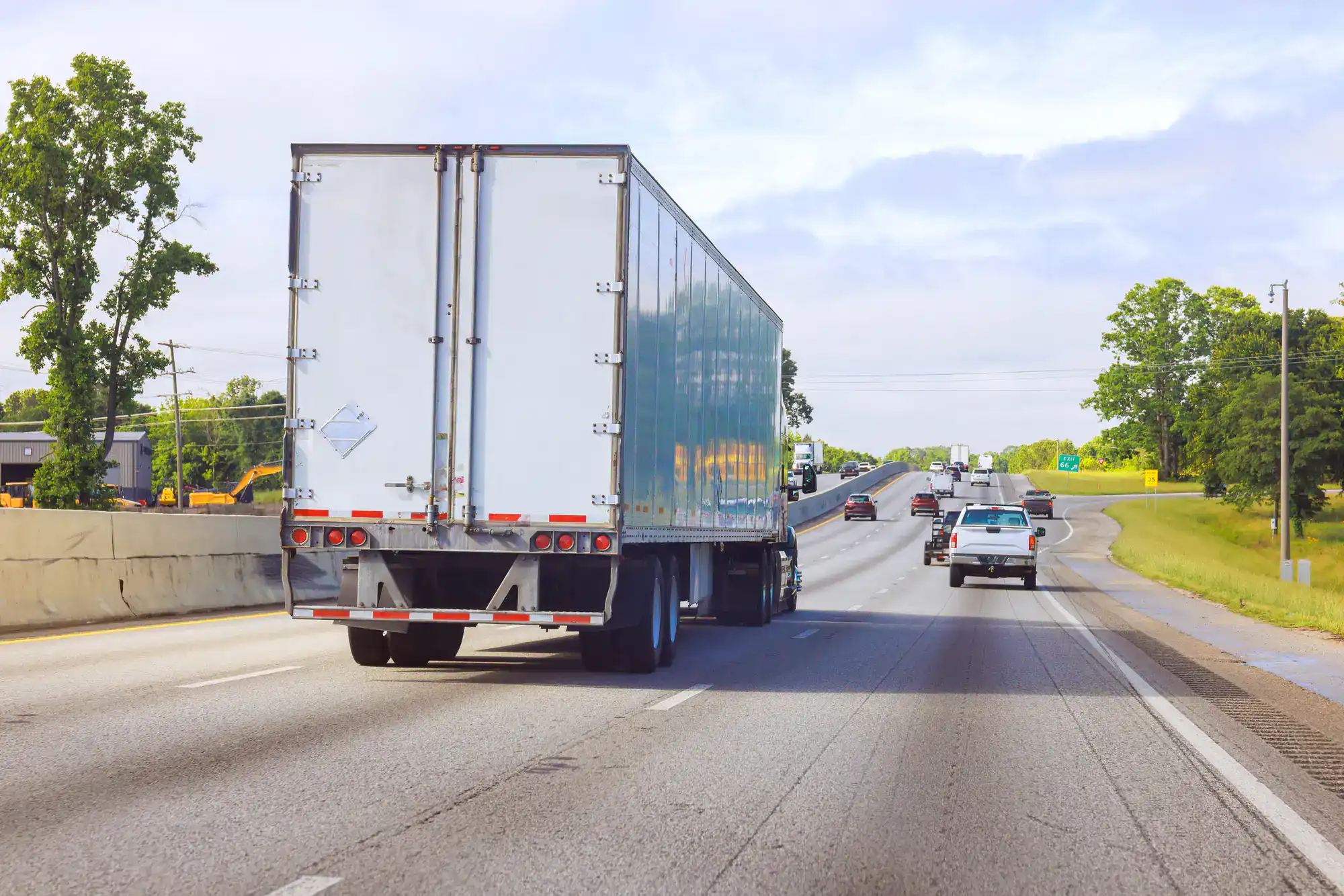
Yes and the enforcement is immediate. The Port of Long Beach uses the PortCheck system and RFID tag verification at marine terminal gates to confirm each truck’s compliance status before it can enter. If your CARB Clean Truck Check compliance record isn’t current in CARB’s CTC-VIS database, the gate system flags your truck and denies entry. There’s no grace period at the gate and no supervisor to appeal to in the moment.
What makes this different from a standard DMV registration hold is the operational immediacy. A registration hold is a problem you deal with at renewal time. A denied port entry means your truck sits outside the terminal while your load waits, your broker moves on, and your day’s revenue disappears. For drayage operators whose income depends on consistent terminal access at the Port of Long Beach, keeping your CARB compliance current isn’t optional it’s the price of doing business.
CARB operates roadside remote emissions monitoring devices REMDs along high-volume truck corridors, and I-710 is one of the most actively monitored in the state. These devices read your truck’s emissions as it passes, without a traffic stop or any interaction with law enforcement. If your truck registers as a potential high emitter, CARB issues a Notice to Submit to Testing, commonly called an NST.
Once you receive an NST, you have 30 calendar days from the date of receipt to submit a passing emissions compliance test from a CARB-credentialed tester. That clock doesn’t pause for scheduling delays, repair time, or holidays. If you’ve received an NST and you’re in the Long Beach area, the priority is getting tested quickly because if your truck has an underlying issue, you’ll want time to address it and retest before that 30-day window closes. Call us as soon as you have the letter in hand.
Yes. CARB’s Clean Truck Check requirement applies to any heavy-duty diesel vehicle operating on California public roads regardless of where the vehicle is registered. If your truck is pulling loads in and out of the Port of Long Beach, running I-710, or making regular deliveries anywhere in California, it is subject to the same compliance requirements as a California-registered truck.
This catches a lot of interstate carriers off guard, particularly owner-operators and smaller fleets based in Texas, Arizona, Nevada, or other western states who regularly run California freight lanes. The requirement isn’t tied to your registration state it’s tied to where your truck operates. If you’re running California loads and your truck is a 2013-or-newer model with a GVWR over 14,000 pounds, you need to be in compliance. We test out-of-state trucks the same way we test California-registered ones, and results go directly to CARB’s system.
In 2025, most subject vehicles are required to test twice per year semi-annually. That’s the current schedule under CARB’s Clean Truck Check program, and it’s already in effect. The testing frequency is set to increase: by October 2027, most vehicles will be required to test four times per year, on a quarterly schedule.
For a single-truck owner-operator working the Port of Long Beach, that’s a manageable cadence. For a fleet manager running ten or fifteen trucks with staggered registration dates and different compliance deadlines, forty or more individual tests per year requires a reliable testing process that doesn’t create scheduling chaos. Getting that process dialed in now before the quarterly requirement takes effect is the practical move. It’s also worth noting that you can submit a test up to 90 days before your compliance deadline, which gives you flexibility to schedule around your busiest port seasons rather than scrambling at the last minute.
These are two separate compliance systems that overlap for drayage operators working the Port of Long Beach, and confusing them is a common and costly mistake. CARB’s Clean Truck Check is a statewide program it applies to any qualifying heavy-duty vehicle operating on California public roads, not just port trucks. It requires an OBD emissions test from a credentialed tester, with results submitted to CARB’s CTC-VIS database. That’s what we handle.
The Port of Long Beach’s compliance requirements are a separate layer on top of that. To work the port terminals, your truck also needs to be registered in CARB’s TRUCRS database, enrolled in the Ports Drayage Truck Registry (PDTR), and equipped with a functioning RFID tag registered through eModal. The Clean Trucks Fund Rate currently $10 per TEU is also charged on each load. Both the CARB statewide requirement and the port-specific requirements must be satisfied independently. Passing a Clean Truck Check test doesn’t substitute for PDTR registration, and being registered in the PDTR doesn’t substitute for a current CARB compliance certificate.
The CARB Clean Truck Check program applies to heavy-duty diesel and alternative-fuel vehicles that are model year 2013 or newer and have a Gross Vehicle Weight Rating over 14,000 pounds. Both conditions have to be met model year and weight rating. A 2015 truck that comes in under 14,000 lbs GVWR doesn’t qualify. A heavy truck that’s a 2010 model year doesn’t qualify either, regardless of weight.
The reason the 2013 cutoff matters is that it corresponds to the OBD (on-board diagnostic) system requirements that CARB’s testing equipment is designed to read. Trucks from that model year forward are equipped with the standardized OBD systems that make the scan-based test possible. In the Long Beach drayage market, the vast majority of trucks actively working the Port of Long Beach fall into this category the port’s own Clean Air Action Plan has been pushing operators toward newer, cleaner equipment for years, and the current active fleet reflects that. If you’re unsure whether your specific truck qualifies, the fastest way to find out is to share the model year and GVWR with us before scheduling.
Useful Links
Other Services we provide in Long Beach