Check Out Our Reviews!

For owner-operators in Lomita, a valid CARB compliance certificate isn’t a formality it’s what gets you through the terminal gate at the Port of Los Angeles, six to eight miles down Pacific Coast Highway. Freight brokers check it. Port facilities require it. Lose it, and you lose the load.
The Clean Truck Check program isn’t slowing down either. Semi-annual testing is already in effect for 2025, and quarterly testing phases in by October 2027. That means CARB compliance in Lomita, CA is now a recurring operational requirement not a once-a-year errand you can put off until registration comes due.
What changes when you’re current? Your truck runs. Your registration clears. You don’t get flagged by one of CARB’s roadside monitoring devices on Western Avenue and end up with a 30-day Notice to Submit to Testing and a clock running against you. The operators in this area who stay ahead of their deadlines aren’t doing anything complicated they just have a tester they can call.
We are a CARB-credentialed Clean Truck Check testing provider serving Los Angeles County including Lomita and the surrounding South Bay corridor. Every tester on our team has completed CARB’s official HD I/M Tester Training Course, passed the required exam, and holds a credential you can verify yourself on CARB’s public database before you ever pick up the phone.
This service was built specifically for the vehicle population CARB actually regulates: model year 2013 or newer trucks and heavy-duty commercial vehicles with a GVWR over 14,000 pounds. There’s no guesswork about whether your truck qualifies or whether the equipment being used is approved it is.
After the OBD scan is complete, results go directly to CARB’s CTC-VIS database electronically. You don’t touch the portal. You don’t manage a submission. You get your compliance certificate and get back on the road whether you’re staging near Harbor City, running a route along PCH, or hauling out of the South Bay distribution corridor near Lomita.

The process starts with a quick call or booking to confirm your truck meets the threshold 2013 or newer, GVWR over 14,000 pounds. If it does, you’re in the right place. If you’re not sure, that’s the first question we can answer before anything else happens.
Once you’re scheduled, a CARB-credentialed tester arrives with a CARB-certified OBD testing device not a generic code reader, not passenger-car smog check equipment. The device connects to your truck’s onboard diagnostic system and runs the required emissions scan. For most trucks in good mechanical condition, the test itself is straightforward. If something flags, you’ll know exactly what it is and what needs to happen before resubmitting.
After a passing result, we submit directly to CARB’s CTC-VIS database on your behalf. That’s the step most operators in the Lomita area find the most frustrating to manage on their own the portal, the upload, the waiting to see if it registered. We handle that step for you. You download your compliance certificate, and your truck is cleared to operate. No follow-up calls to the state. No wondering if it went through.

Ready to get started?
Standard smog check shops in Lomita serve gasoline-powered passenger cars and light trucks. If you’re driving a 2013 or newer diesel with a GVWR over 14,000 pounds, those shops cannot help you and the most visible local smog provider in the 90717 ZIP code is upfront about that on their own website. CARB Clean Truck Check testing requires a separate credential, CARB-certified OBD equipment, and direct electronic submission to a state database that a standard smog license doesn’t touch.
What we provide is the complete compliance step: the credentialed tester, the approved equipment, the OBD scan, and the direct CTC-VIS submission. That covers the one part of the Clean Truck Check process that legally requires a third party. The other steps registering your vehicle in CTC-VIS, paying the annual $31.18 compliance fee, and downloading your certificate are yours to complete, but the hardest one is handled.
This matters most for the drayage operators, construction haulers, and commercial fleet vehicles that move through Lomita’s South Bay corridor daily. Whether your truck is registered in California or you’re an out-of-state operator running loads to the Port of LA, CARB’s requirements apply the same. Non-compliance means DMV registration holds, potential fines up to $10,000 per vehicle per day, and denied terminal access. Getting tested is the straightforward fix.
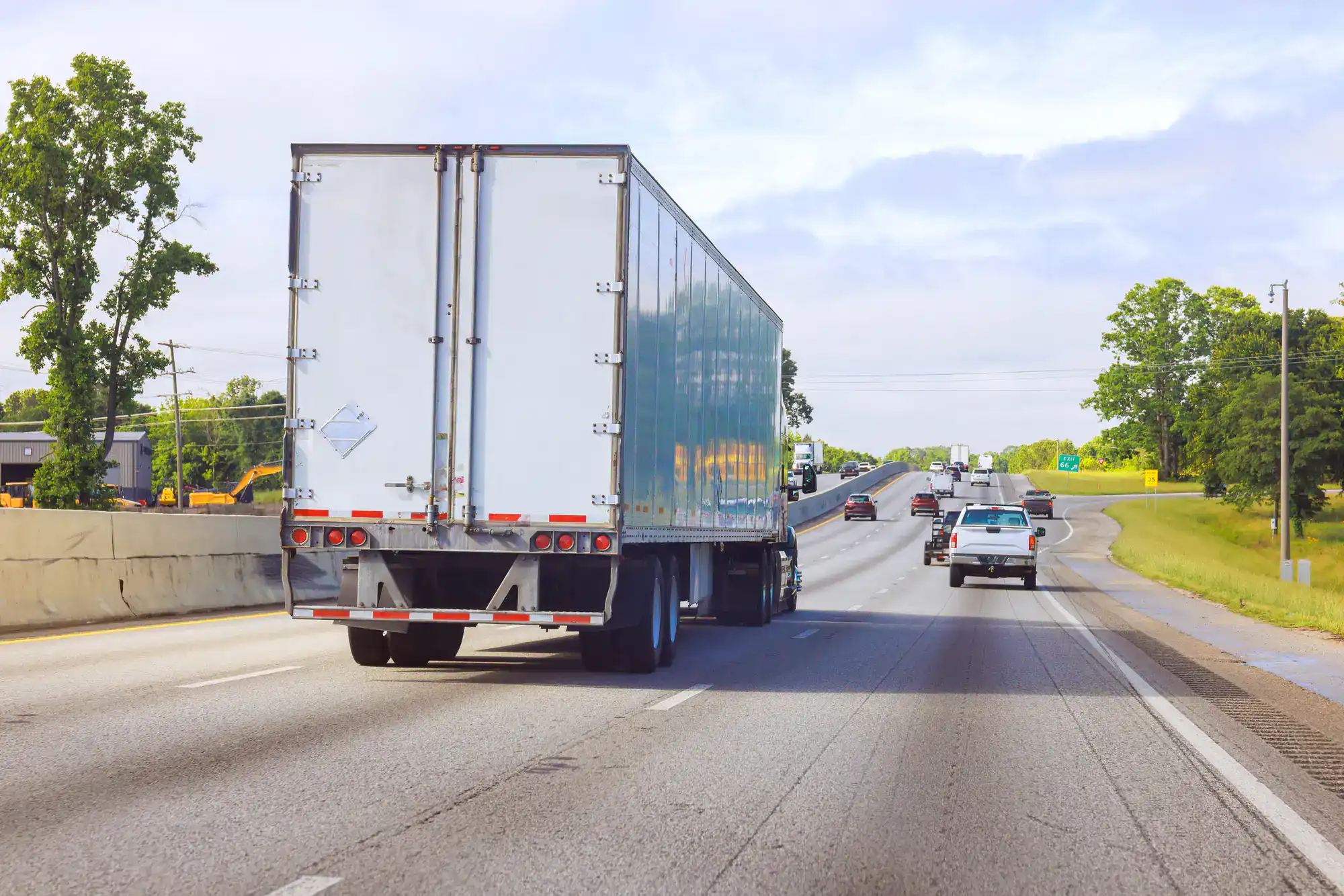
If your truck is model year 2013 or newer and has a GVWR over 14,000 pounds, yes California’s Clean Truck Check program requires OBD-based emissions testing regardless of where you’re based or where the truck is registered. That applies to every truck operating on California public roads, including the routes through Lomita, along Pacific Coast Highway, and into the port complex at San Pedro and Long Beach.
The most common misconception is that this only applies to large fleets or trucking companies. It doesn’t. Owner-operators running a single truck are subject to the same requirements. If your vehicle hits both thresholds 2013 or newer, over 14,000 pounds GVWR you need a passing Clean Truck Check test performed by a CARB-credentialed tester, submitted directly to CARB’s CTC-VIS database. If you’re unsure whether your specific truck qualifies, that’s the first question to ask before scheduling anything.
The consequences stack up quickly. First, CARB places a hold on your DMV registration, which means your truck cannot legally operate on California public roads. For operators in the Lomita area running loads to the Port of LA or Port of Long Beach, that’s not an abstract problem port terminals require proof of current compliance before granting access. A lapsed certificate means a denied gate, which means a missed load.
Beyond the registration hold, CARB enforcement fines can reach $10,000 per vehicle per day for continued non-compliance. CARB also deploys roadside emissions monitoring devices throughout the South Bay corridor, including along routes Lomita-area trucks travel regularly. These devices can flag a non-compliant truck without a traffic stop, triggering a Notice to Submit to Testing with a hard 30-day deadline. The cost of testing is a small fraction of one day’s potential fine or one missed load.
As of 2025, most affected trucks are required to test twice per year semi-annual compliance. That’s already a significant change from the earlier phase of the program, and the cadence is scheduled to increase further. By October 2027, quarterly testing four times per year is set to phase in for most vehicles in the program.
For Lomita-area operators, this means CARB compliance is now a recurring line item in your operational calendar, not a once-a-year task tied to registration renewal. The deadlines are tied to each vehicle’s individual compliance schedule, not a universal calendar date, so the best approach is to know your specific testing window and schedule ahead of it rather than waiting for a Notice to Submit to Testing to arrive. Getting ahead of the deadline is always easier than responding to one.
Yes, and it’s required. California’s Clean Truck Check program applies to any truck with a GVWR over 14,000 pounds operating on California public roads the truck’s registration state doesn’t change the requirement. Interstate carriers and owner-operators based in Nevada, Arizona, Texas, or anywhere else who run loads through Lomita or into the Port of LA and Port of Long Beach are subject to the same CARB compliance rules as California-registered trucks.
Out-of-state operators often discover this the hard way denied entry at a port terminal or flagged by a roadside monitoring device before they’ve had a chance to get compliant. If you’re running California routes regularly and your truck meets the 2013-or-newer, over-14,000-pound threshold, getting tested before you need it is the move. We serve Los Angeles County and can get your results submitted directly to CARB’s CTC-VIS database regardless of where your truck is registered.
CTC-VIS stands for Clean Truck Check Vehicle Inspection System it’s CARB’s online database where vehicle owners register their trucks, pay the annual compliance fee (currently $31.18 in 2025), receive test results, and download their compliance certificates. Every truck subject to the program needs to be registered in the system before a test can be submitted.
The portal itself is manageable, but it’s a common friction point especially for owner-operators who are already managing fuel costs, chassis fees, port schedules, and everything else that comes with running a truck in the South Bay. When you test with us, the tester submits your results directly to CTC-VIS electronically after the OBD scan. You don’t have to figure out the upload process or wait to confirm the submission registered. Once the test is complete and results are in the system, you log in, download your compliance certificate, and you’re done.
A Notice to Submit to Testing (NST) from CARB gives you 30 calendar days from the date on the notice to submit a passing emissions test performed by a CARB-credentialed tester. That clock starts running the day the notice is issued not the day you open it. In the South Bay, where CARB deploys roadside emissions monitoring devices along high-traffic freight corridors including routes through and around Lomita, NST notices can come without warning and without a traffic stop.
Thirty days sounds like enough time, but if your truck needs repairs before it can pass the OBD test, that window gets tight fast. The right move after receiving an NST is to schedule the test as early as possible ideally within the first week so you have time to address any issues and retest before the deadline expires. We can schedule quickly, perform the scan with CARB-certified equipment, and submit results to CTC-VIS the same day. Getting the test done early is the only way to protect your remaining time if something comes up.
Useful Links
Other Services we provide in Lomita