Check Out Our Reviews!
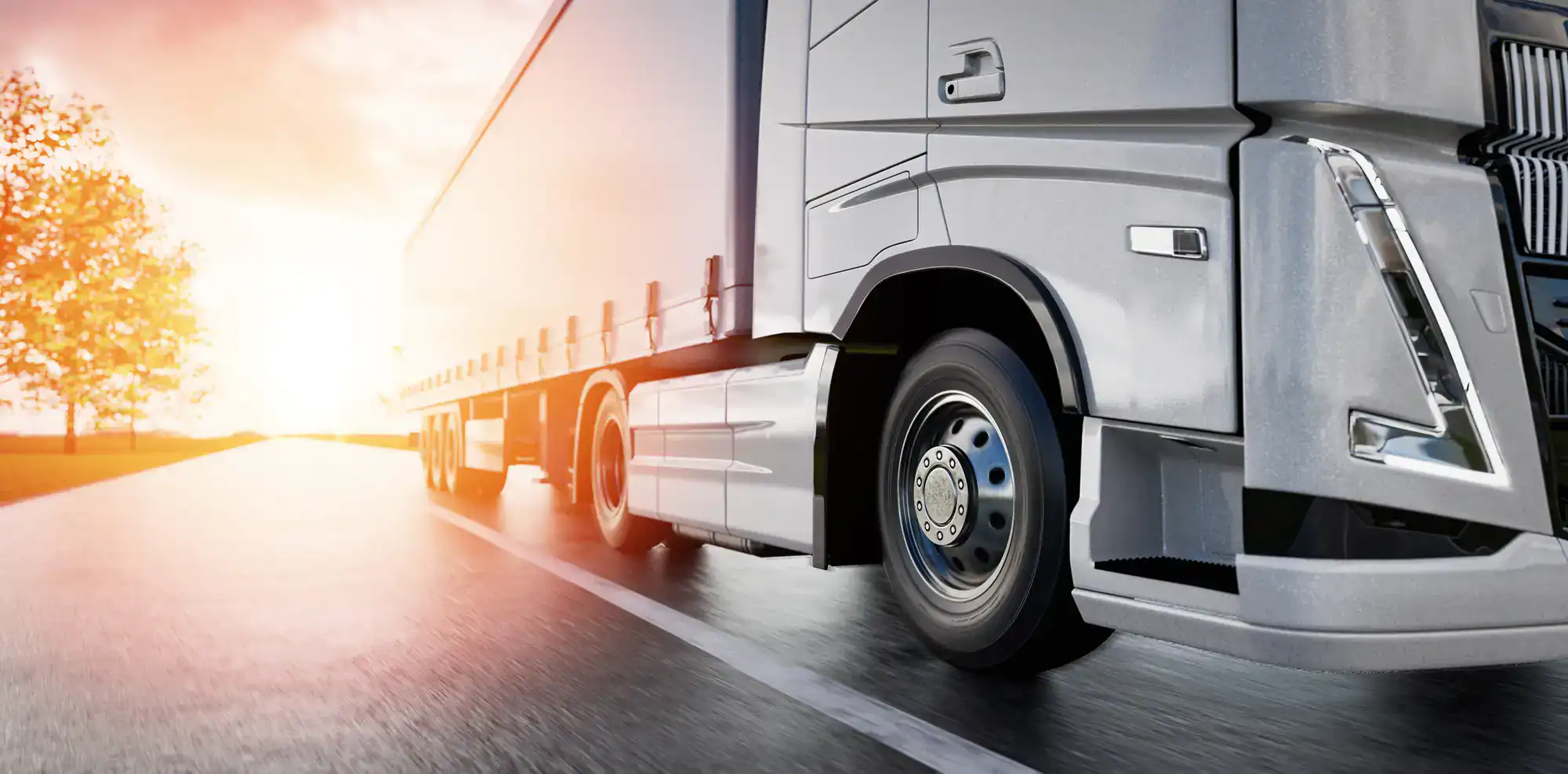
When your compliance is current, you don’t have to think about it. No DMV registration holds. No surprise fines. No getting turned away at a port facility or freight terminal because your Clean Truck Check certificate is expired. For owner-operators and fleet managers running loads through Lennox and the South Bay, that kind of peace of mind isn’t a luxury it’s what keeps the business moving.
Lennox sits at one of the busiest freight intersections in the country. The I-405 runs your western boundary. The I-105 cuts across your south. These aren’t just commute roads they’re the primary corridors connecting LAX cargo operations to the ports of Los Angeles and Long Beach, and east to the Inland Empire warehouse districts. CARB deploys roadside emissions monitoring devices along these exact routes, and a flagged truck means a 30-day window to produce a passing test or face enforcement action. That’s not a theoretical risk for trucks operating out of Lennox. It’s a daily reality.
The other thing worth knowing: testing frequency is already semi-annual in 2025, and by October 2027, most affected vehicles move to quarterly testing. That’s four tests per year. Building a relationship with a credentialed tester now before that schedule kicks in is the kind of move that saves you scrambling later when deadlines stack up.
We are a CARB-credentialed Clean Truck Check testing provider serving Los Angeles County and Riverside County. Every tester on our team has completed CARB’s official HD I/M training course, passed the required exam, and is listed on CARB’s publicly searchable database of credentialed testers. That’s not a claim it’s something you can verify yourself before you ever call.
Our service is built specifically for heavy-duty vehicles: model year 2013 or newer, GVWR over 14,000 pounds. That’s it. No passenger cars, no lighter vehicles, no generalist shop trying to add a new service line. Just the exact vehicle class CARB’s program targets, tested with CARB-certified OBD equipment, with results submitted directly to the CTC-VIS system the same day.
For truck operators in Lennox and the surrounding South Bay whether you’re hauling cargo through the LAX freight complex, running drayage on the I-105 toward the Inland Empire, or managing a small fleet out of the Inglewood or Hawthorne corridor we’ve built this service around how you actually operate.

It starts with scheduling. You call or book online, confirm your vehicle’s model year and GVWR, and lock in a time. Because our service is scoped specifically to 2013 and newer heavy-duty vehicles over 14,000 pounds, there’s no confusion about whether your truck qualifies if it meets those two criteria and operates on California public roads, it’s subject to Clean Truck Check, and we can test it.
On the day of the test, a CARB-certified OBD device is connected directly to your vehicle’s onboard diagnostics system. The scan reads your truck’s emissions control data DPF, EGR, SCR systems, and active fault codes and produces a result that either passes or identifies what’s triggering a failure. This is not a generic diagnostic scan. The equipment is specifically certified by CARB for use in the HD I/M program, which means the results are accepted in the CTC-VIS system. A generic code reader doesn’t meet that standard, and a test performed with non-certified equipment won’t count.
Once the test is complete, we submit results electronically to CARB’s CTC-VIS database on the spot. Your compliance record is updated in real time. If you received a Notice to Submit to Testing which gives you 30 calendar days from receipt that clock stops the moment your passing result hits the system. No portal navigation on your end, no manual uploads, no waiting to find out if the submission went through.

Ready to get started?
The Clean Truck Check program applies to diesel and alternative fuel heavy-duty vehicles with a GVWR over 14,000 pounds, model year 2013 or newer, that operate on California public roads. That includes trucks registered in California and trucks registered out of state if you’re running loads through California on the I-405 or I-105, the requirement applies to you regardless of where your plates are from. A lot of interstate carriers find this out the hard way when they get flagged by a roadside monitoring device near the South Bay interchange.
The OBD-based test we perform reads your truck’s emissions control systems directly. It checks for active fault codes related to the DPF, EGR, SCR, and other emissions-related components. If everything’s functioning within CARB’s parameters, you get a passing result and your CTC-VIS record is updated. If there’s a fault, you’ll know exactly what triggered it which gives you something specific to take to a diesel mechanic rather than a vague “failed emissions” note.
The annual CARB compliance fee currently $31.18 per vehicle in 2025, adjusted yearly by the California CPI is separate from the testing service fee and is paid directly through the CTC-VIS portal. Testing is currently required twice per year, moving to quarterly by October 2027 for most vehicles. For fleet operators managing multiple trucks in the Los Angeles County area, getting ahead of that schedule now makes a real difference when the quarterly deadline cycle starts.
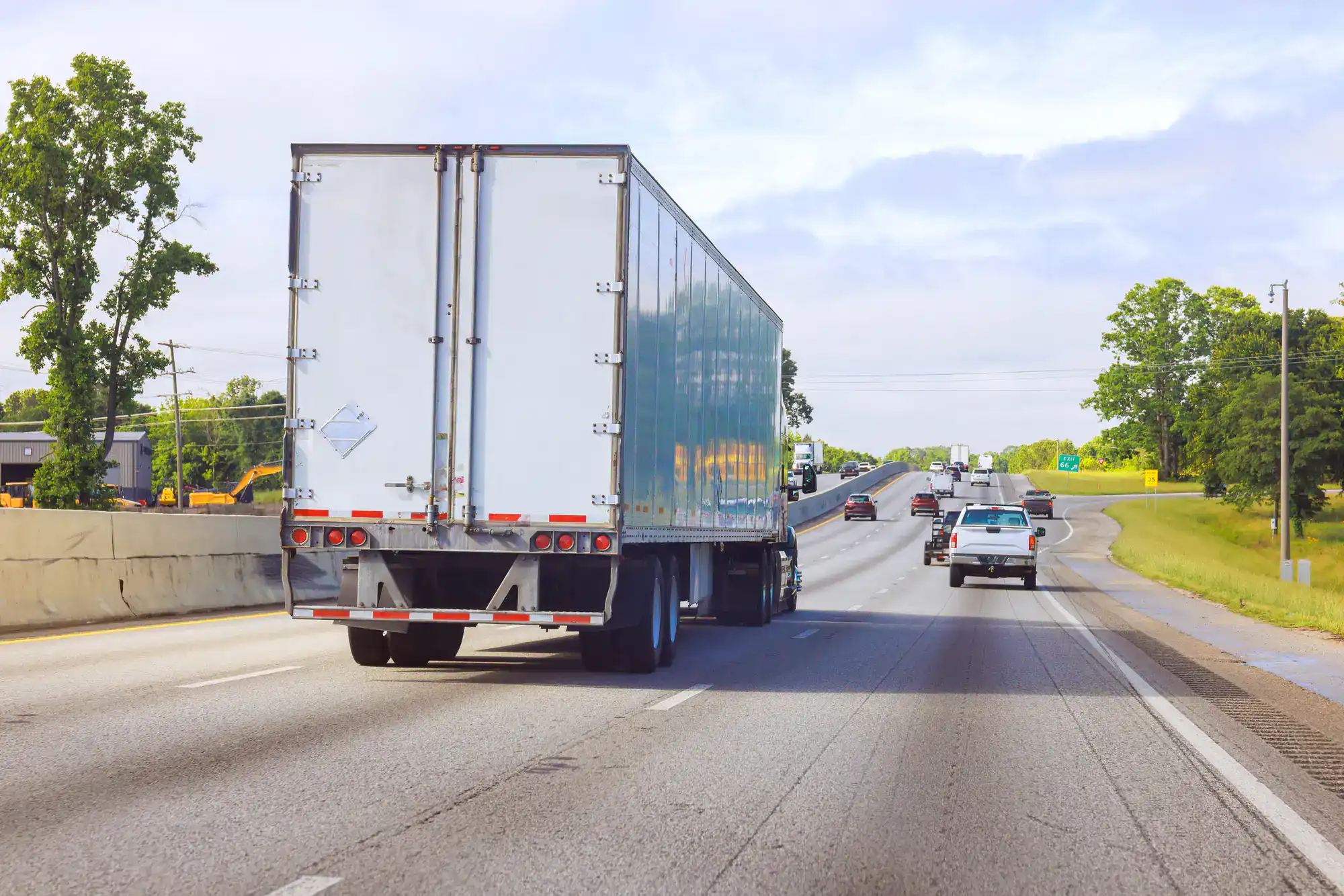
If your truck is model year 2013 or newer and has a GVWR over 14,000 pounds, yes it’s subject to California’s Clean Truck Check program. This applies whether you’re hauling air cargo through the LAX freight complex, running ground transport along Century Boulevard, or doing logistics work in the Lennox and Inglewood corridor. The program covers any qualifying heavy-duty vehicle operating on California public roads, full stop.
The LAX-adjacent area is one of the more actively monitored freight zones in Southern California. CARB uses roadside emissions monitoring devices along major corridors, and the I-405 and I-105 which form Lennox’s western and southern boundaries are high-traffic freight routes where that monitoring happens regularly. If your truck gets flagged, you have 30 calendar days from receiving a Notice to Submit to Testing to produce a passing result. We can schedule quickly, perform the OBD scan with CARB-certified equipment, and submit your results directly to CARB the same day.
A failing result doesn’t trigger an immediate fine or an instant registration hold. What it does is tell you that your truck’s emissions control systems have an active fault that needs to be repaired before your compliance deadline. The test identifies specifically what’s triggering the failure whether it’s a DPF fault, an EGR issue, an SCR malfunction, or something else so you’re not walking into a diesel shop with a vague problem. You have something concrete to work with.
The deadline is what drives enforcement, not the test result itself. If you have time before your compliance window closes, you repair the issue and retest. If you’re already up against a 30-day NST deadline, the priority is getting the repair done and the retest scheduled as fast as possible. The worst thing you can do is avoid testing because you’re worried about failing because a missed deadline is what actually triggers the DMV registration hold and the potential for fines up to $10,000 per vehicle per day. Knowing where you stand gives you options. Not knowing doesn’t.
Yes. California’s Clean Truck Check program applies to any qualifying heavy-duty vehicle operating on California public roads, regardless of where it’s registered. If your truck is model year 2013 or newer, has a GVWR over 14,000 pounds, and you’re running loads through California including on the I-405 or I-105 through the South Bay you’re subject to the same testing requirements as a California-registered truck.
This catches a lot of interstate carriers off guard. Many find out they’re out of compliance when they’re denied access to a California port facility or freight terminal, or when they get flagged by a CARB roadside monitoring device and receive a Notice to Submit to Testing with a 30-day clock. We can test out-of-state trucks, and the process is the same: CARB-certified OBD scan, direct electronic submission to the CTC-VIS system, same-day results. If you’re running California routes regularly, getting compliant before you get flagged is the smarter play.
As of 2025, most affected vehicles are required to test twice per year semi-annually. The specific deadlines are tied to your vehicle’s registration date, so the timing varies by truck. For fleet managers handling multiple vehicles, that means staggered compliance windows throughout the year rather than one single deadline.
What’s important to plan for is what’s coming: by October 2027, most qualifying heavy-duty vehicles will be required to test quarterly four times per year. For owner-operators and small fleets running out of Lennox and the South Bay area, that’s a meaningful increase in the compliance workload. Building a relationship with a credentialed tester now, before the quarterly schedule kicks in, means you’re not scrambling to find someone when deadlines start stacking up. The annual CARB compliance fee per vehicle is separate from the testing service fee and is paid through the CTC-VIS portal that cost stays the same regardless of how many times per year you test.
No they’re completely different programs. The standard smog check that California requires for passenger cars and light trucks is a separate program with different equipment, different procedures, and different oversight. The CARB Clean Truck Check is a heavy-duty-specific program that requires a CARB-credentialed tester using CARB-certified OBD testing equipment and direct electronic submission to the CTC-VIS system. A standard smog station cannot perform a Clean Truck Check, and a Clean Truck Check does not satisfy your passenger vehicle smog requirement.
This is a common source of confusion, especially for owner-operators who are used to handling their personal vehicle’s smog check at a neighborhood shop on Hawthorne Boulevard or in the surrounding Inglewood area. The heavy-duty program is entirely separate. We are scoped specifically for this program model year 2013 and newer vehicles with a GVWR over 14,000 pounds and we use the equipment and credentials the program requires. If someone offers to do your Clean Truck Check with a generic diagnostic scanner or without a CARB credential, that test will not be accepted by CARB and won’t update your CTC-VIS record.
The consequences are specific and they escalate fast. A missed compliance deadline triggers an automatic DMV registration hold on the vehicle meaning you cannot renew your registration until the compliance issue is resolved. For a truck that’s your primary source of income, that’s not a paperwork problem. That’s a truck that can’t legally operate.
Beyond the registration hold, CARB fines for non-compliance can reach up to $10,000 per vehicle per day. Port facilities and freight terminals in the Los Angeles area including the cargo complex at LAX and the ports of Los Angeles and Long Beach, both accessible via the I-405 and I-710 from the South Bay can and do deny access to non-compliant trucks. If you’re running freight contracts that require port access, a lapsed compliance certificate doesn’t just cost you a fine. It costs you the load, and potentially the contract. For the working-class owner-operators and small fleet operators who make up a significant part of the commercial trucking community in and around Lennox, that kind of disruption hits hard. The test itself is straightforward. The cost of skipping it isn’t.
Useful Links
Other Services we provide in Lennox