Check Out Our Reviews!

A DMV registration hold doesn’t send a warning. One day your truck is working a job site off Jefferson Street or hauling supplies to a resort on SR-111, and the next it can’t legally run. That’s not a paperwork inconvenience that’s lost revenue, a stalled project, and a problem that compounds fast. Getting tested before your deadline is the only move that keeps you in control.
La Quinta’s desert climate adds a layer most truck owners don’t think about until it’s too late. Temperatures that regularly push past 110°F in summer put real thermal stress on diesel engines and OBD systems the same systems we evaluate through CARB’s Clean Truck Check. A truck that passed six months ago in cooler conditions may not perform the same way after a full Coachella Valley summer. Staying current on testing isn’t just a regulatory checkbox here it’s smart maintenance practice for the environment your truck actually operates in.
If you’re running construction equipment on one of La Quinta’s active development sites the Travertine project, the SilverRock area, or any of the ongoing builds along the city’s southern edge your trucks are exactly the ones CARB’s program covers. The compliance requirement doesn’t pause because you’re mid-project. Testing early gives you time to address any issues before they turn into a registration hold that pulls your equipment off a job you’re already committed to.
We’re a CARB-credentialed Clean Truck Check testing provider serving Riverside County, including La Quinta. That means La Quinta isn’t a name we added to a city list it’s part of the territory we actually operate in. We know the road network here. We know that your truck might be staged near the I-10 interchange at Washington Street, parked at a job site south of Coral Mountain, or running supply routes along Highway 111. That context matters when you’re scheduling a test and need someone who can actually get to you.
Our testers hold CARB’s official HD I/M credential state-issued, publicly verifiable on CARB’s own database, and renewed every two years. We use CARB-certified OBD scanning equipment on every test, and results go directly into California’s CTC-VIS system the moment we’re done. You don’t log in, you don’t upload anything, and you don’t wonder whether the submission went through. It’s in the system, and you’re compliant.

When you reach out to book, the first thing we confirm is whether your truck qualifies model year 2013 or newer, GVWR over 14,000 pounds. If it checks both boxes, you’re in the right place. We’ll get you scheduled and confirm a location that works for you, whether that’s a yard, a job site, or a staging area near your route.
On test day, we connect our CARB-certified OBD scanning equipment to your truck’s diagnostic port and run the required Clean Truck Check inspection. The scan reads your truck’s onboard emissions data directly no tailpipe probe, no guesswork. The whole process is straightforward, and we’re not there to slow your day down. For trucks operating in the Coachella Valley’s extreme heat, we pay attention to how the OBD system is reading, because high ambient temperatures can affect sensor performance in ways that matter for compliance.
Once the test is complete, we submit your results electronically and directly to CARB’s CTC-VIS database. That’s the only submission method CARB accepts, and it happens immediately not at the end of the day, not after paperwork. Your compliance record is live in the system before we’ve packed up. If you received a Notice to Submit to Testing, you have 30 days from the date on that letter. We work within that window regularly and know how to move fast when the deadline is close.

Ready to get started?
We perform CARB Clean Truck Check OBD testing exclusively on model year 2013 or newer heavy-duty vehicles with a GVWR over 14,000 pounds. That’s the exact population CARB’s HD I/M program covers, and it’s the only population we test. We don’t do passenger cars, light trucks, or pre-2013 vehicles our service is built around the trucks that are actually subject to California’s mandatory compliance program.
In La Quinta and throughout Riverside County, that covers a wide range of working trucks: dump trucks and flatbeds on active construction sites, delivery vehicles servicing the resort and hospitality corridor along SR-111, equipment haulers running between job sites, and owner-operators staging near the I-10 interchanges at Washington, Jefferson, and Monroe Streets. If your truck meets the year and weight threshold and operates on California roads including if it’s registered in another state it needs to be tested. Out-of-state registration doesn’t exempt you from California’s Clean Truck Check requirement.
Testing is currently required twice per year. That frequency increases to four times per year by October 2027. The annual CARB compliance fee is $31.18 per vehicle that’s a separate charge paid to CARB through their portal, not part of our testing fee. A lot of truck owners don’t realize that until after they’ve already paid the portal fee and still need a credentialed tester. We’re the credentialed tester. Our equipment is CARB-certified. And your results go straight to CTC-VIS the moment we’re done.
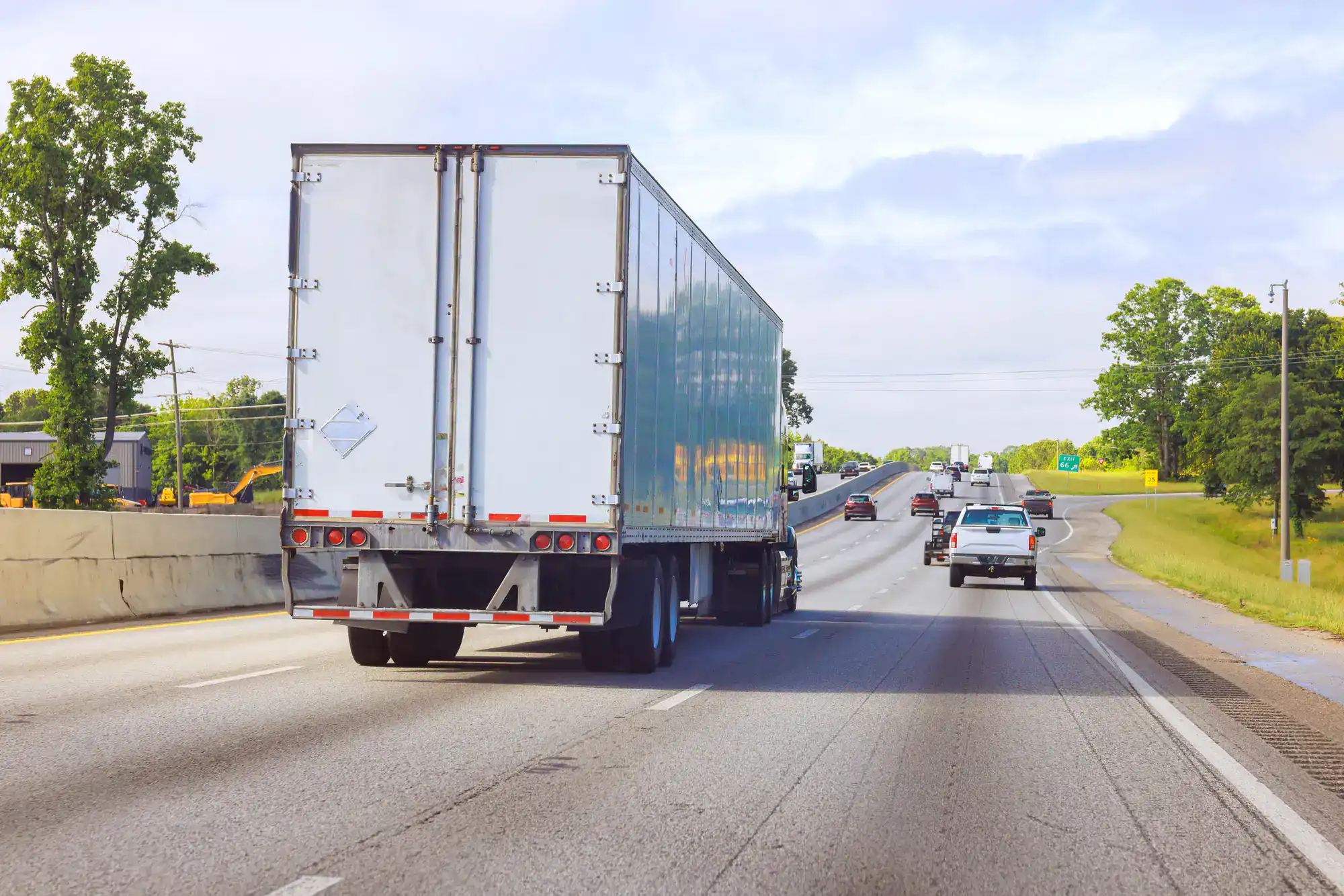
If your truck is model year 2013 or newer and has a GVWR over 14,000 pounds, yes it needs to be tested under California’s Clean Truck Check program. This applies whether your truck is registered in California or in another state like Arizona or Nevada. Operating on California public roads is what triggers the requirement, not where your registration is held. The I-10 corridor running just north of La Quinta is one of the most heavily traveled freight routes in the Southwest, and CARB’s enforcement reach extends across every mile of it.
If you’ve been running the LA-to-Phoenix route and staging or fueling in the Indio or La Quinta area without a current compliance certificate, you’re already exposed. CARB uses roadside emissions monitoring devices statewide, and if your truck gets flagged, you’ll receive a Notice to Submit to Testing with a 30-day response window. We work with out-of-state operators regularly and can get you tested and submitted to CTC-VIS within that deadline.
As of 2025, covered trucks are required to pass CARB’s Clean Truck Check twice per year once every six months. That’s already in effect, and it’s not going to get easier. By October 2027, most covered vehicles will be required to test four times per year. If you’re managing a fleet of trucks working construction sites or resort supply routes in La Quinta, that’s a significant compliance calendar to stay on top of.
The best way to handle it is to build testing into your regular schedule rather than reacting to a deadline or a DMV registration hold. We serve Riverside County and can work around your operational schedule job site timing, seasonal workload increases during La Quinta’s busy October through April resort season, and any NST deadlines you’re already facing. Getting ahead of it is always less disruptive than scrambling after a hold hits.
A failed test doesn’t automatically mean your truck is out of service, but it does mean you have a compliance gap that needs to be addressed before your deadline. CARB’s Clean Truck Check uses OBD data to evaluate your truck’s emissions system if the scan finds fault codes or readiness monitors that indicate a problem, the test result reflects that. You’ll know exactly what the system found, and from there it’s a matter of getting the underlying issue diagnosed and repaired.
Once repairs are made, you can retest. We will document what the scan found and submit the results to CTC-VIS as required. For trucks operating in La Quinta’s extreme desert heat, it’s worth noting that high ambient temperatures can sometimes affect OBD sensor performance and emissions output in ways that don’t show up under cooler conditions. If your truck is running hard in summer heat, addressing any marginal engine issues before your test window is a smarter move than hoping the scan comes back clean.
Yes, if they meet the threshold. Any truck that is model year 2013 or newer and has a GVWR over 14,000 pounds is subject to CARB’s Clean Truck Check regardless of what it’s hauling or where it’s working. Dump trucks, flatbeds, concrete mixers, and equipment haulers that meet those specs and operate on California roads need a current compliance certificate.
La Quinta has a significant amount of active construction underway and in the pipeline. The Travertine development 855 acres approved in August 2024 for up to 1,200 residential units south of Coral Mountain and the ongoing work tied to the SilverRock area will keep construction trucks moving through this city for years. Contractors working these sites who haven’t confirmed their trucks’ compliance status are carrying real financial risk. A DMV registration hold on a truck mid-project means that truck isn’t working until the hold is cleared. Testing before the deadline is the only way to stay ahead of that.
These are two separate charges, and a lot of truck owners don’t realize that until they’ve already paid one and still need the other. The $31.18 annual fee is what you pay directly to CARB through their CTC-VIS portal it’s a state-mandated program fee that goes to CARB, not to any testing provider. Paying that fee registers your vehicle in the system, but it does not complete your compliance obligation. You still need a CARB-credentialed tester to perform the actual OBD inspection and submit your results.
That’s where we come in. We perform the Clean Truck Check using CARB-certified equipment, and we submit your results directly to CTC-VIS immediately after the test is complete. Our service fee covers the inspection and the direct submission it’s separate from and in addition to the CARB portal fee. If you’ve already paid the $31.18 and are wondering why your compliance status hasn’t updated, it’s because the test itself hasn’t been completed yet. That’s the step we handle.
Yes. We serve Riverside County, which means we come to you your yard, your job site, your staging area, wherever your truck is. For operators in La Quinta, that might be a construction site off Monroe Street, a fleet yard near the Highway 111 corridor, or a staging location near one of the I-10 interchanges. You don’t need to drive your truck across the valley to get tested.
This matters more than it might seem. Heavy-duty trucks aren’t always easy to move, especially mid-job or when a deadline is already close. Scheduling a mobile test means less downtime, no repositioning a loaded truck, and no losing a half-day to logistics. We bring CARB-certified OBD equipment to your location, perform the test on-site, and submit your results to CTC-VIS before leaving. If you’re managing multiple trucks, we can work through them in sequence at the same location. Reach out to confirm availability and get your test scheduled.
Useful Links
Other Services we provide in La Quinta