Check Out Our Reviews!

The I-405 and I-105 are two of the most actively monitored freight corridors in California. CARB deploys roadside emissions monitoring devices on both, and if your truck gets flagged, you’re looking at a Notice to Submit to Testing with a hard 30-day deadline. That’s not a lot of runway when you’re running loads out of the LAX air cargo complex or staging near Imperial Highway in Inglewood.
When your Clean Truck Check is current, you don’t have that problem. Freight brokers assign your loads. Your registration clears. You keep moving. For Inglewood owner-operators who can’t afford a truck sitting idle especially with Inglewood’s cost of living pushing operating costs higher than most of the region staying compliant isn’t just a legal requirement, it’s how you protect your income.
This service applies to model year 2013 or newer heavy-duty vehicles with a GVWR over 14,000 pounds. If your truck meets those specs and operates in California, it needs Clean Truck Check testing. The sooner that box is checked, the less exposure you carry every time you roll through an enforcement corridor.
We hold a state-issued CARB HD I/M Tester Credential. That means completing CARB’s official Tester Training Course, passing the required exam, and maintaining a listing in CARB’s publicly searchable tester database renewed every two years. It’s not a badge anyone prints themselves. You can verify our credentials directly on the CARB website before you ever call us.
We serve Los Angeles County, which means we know Inglewood’s freight geography the LAX cargo complex, the commercial zones off Manchester Avenue, the fleet staging areas near the airport. When we come to your location, we’re not guessing at truck routes or asking for directions to your yard. We show up with CARB-certified OBD testing equipment, run the scan, and submit your results electronically and directly to CARB’s CTC-VIS system. You don’t touch the portal.
In a market where at least two competitors have built Inglewood-specific landing pages making compliance claims, the ability to independently verify credentials matters. We encourage you to check with us or anyone else you’re considering.

You call or book online. We confirm your truck’s model year and GVWR to make sure it falls within the covered range 2013 or newer, over 14,000 pounds. If it does, we schedule a time to come to your location in Inglewood, whether that’s a fleet yard, a commercial lot near Century Boulevard, or a staging area you use before your LAX runs.
On-site, we connect CARB-certified OBD diagnostic equipment directly to your truck’s port and run the emissions scan. The test reads your vehicle’s onboard diagnostic data engine performance, emissions controls, fault codes and generates a result that either confirms compliance or identifies what needs attention. The whole scan typically takes less time than you’d spend driving to a shop and waiting in line.
Once the test is complete, we submit your results electronically and directly to CARB’s CTC-VIS database. Your compliance record updates immediately. If your truck passes, you’re done. If something flags, you’ll know exactly what it is and what needs to be addressed before resubmitting. No guesswork, no portal confusion, no wondering whether the result actually went through.

Ready to get started?
California’s Clean Truck Check program currently requires semi-annual testing twice per year for most covered vehicles. By October 2027, that escalates to quarterly: four tests per year, per truck. If you’re running a small fleet out of Inglewood or the LAX freight corridor, that’s a compliance calendar that demands a reliable testing partner, not a one-time fix.
The OBD test itself targets model year 2013 or newer heavy-duty vehicles with a GVWR over 14,000 pounds. That includes diesel box trucks, straight trucks, and other heavy commercial vehicles in that spec range. It does not apply to older trucks or lighter vehicles so if you’re unsure whether your truck qualifies, that’s the first question to answer before your compliance window closes.
The consequences of non-compliance in Los Angeles County are not administrative nuisances. DMV registration holds are automatic. Fines can reach up to $10,000 per vehicle per day. Freight brokers serving the LAX air cargo ecosystem increasingly require a valid compliance certificate before assigning loads. And with the Hollywood Park Entertainment District SoFi Stadium, Intuit Dome, Kia Forum driving sustained commercial vehicle traffic through Inglewood year-round, enforcement activity on the I-405 and surrounding corridors isn’t slowing down. The annual CARB compliance fee is $31.18 per vehicle. The cost of a test is a fraction of what a single non-compliance fine would run you.
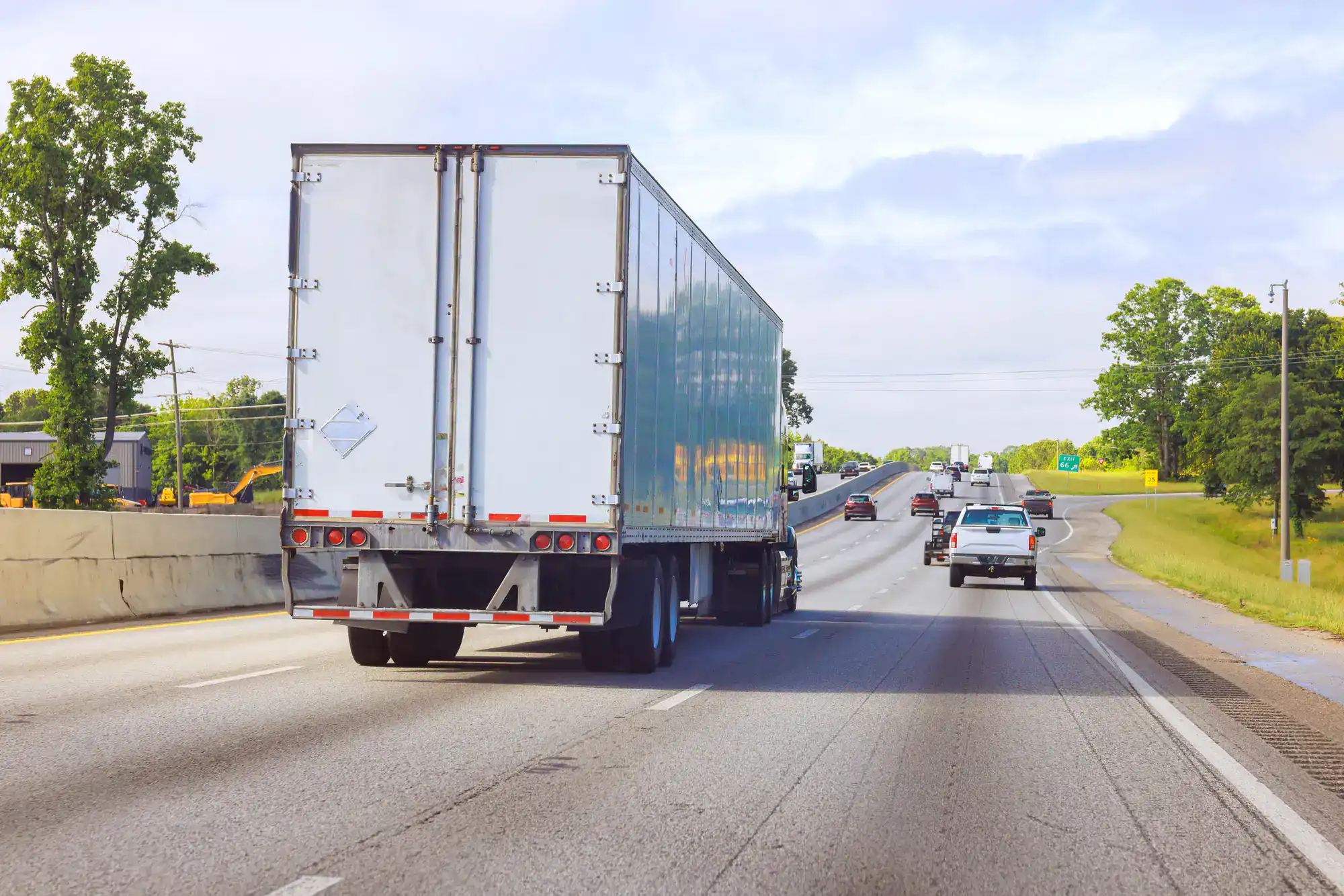
If your truck is model year 2013 or newer and has a GVWR over 14,000 pounds, and it operates anywhere in California including Inglewood it is subject to California’s Clean Truck Check requirements. This applies regardless of where the truck is registered. Out-of-state carriers running regular routes through Inglewood on the I-405 or I-105 are not exempt just because they’re registered in Nevada, Arizona, or another state.
The program covers heavy-duty diesel, hybrid, and alternative-fuel vehicles in that spec range. If your truck does not meet both criteria model year 2013 or newer AND over 14,000 lbs GVWR it falls outside the scope of this program. If you’re unsure where your truck lands, the quickest way to confirm is to check your registration documents for the listed GVWR, or call us and we can help you figure it out before you book.
Missing your compliance deadline triggers a sequence that moves fast. CARB flags the vehicle in its system, the DMV places an automatic registration hold, and your truck cannot legally operate on California roads until the hold is cleared. For an owner-operator running the LAX freight corridor out of Inglewood where every idle day is lost revenue that’s a serious operational problem, not just a paperwork issue.
On top of the registration hold, non-compliance fines can reach up to $10,000 per vehicle per day. Freight brokers and cargo agents serving LAX increasingly verify compliance status before assigning loads, so a lapsed certificate can cut off your work pipeline even before enforcement formally catches up with you. If you’ve already missed your deadline or received a Notice to Submit to Testing, you have 30 calendar days from the date of that notice to submit a passing test from a CARB-credentialed tester. That window moves quickly scheduling sooner rather than later gives you time to address any issues the test surfaces before the deadline expires.
As of 2025, California requires semi-annual testing twice per year for most covered heavy-duty vehicles. That means two compliance appointments per year, per truck. For a small fleet operator running multiple trucks out of Inglewood or the surrounding LAX area, that’s a real compliance management load, especially if your trucks are on different deadline cycles.
It gets more demanding from here. By October 2027, the testing requirement escalates to quarterly four times per year, per vehicle. CARB has been clear that this schedule is not tentative; it’s written into the program’s enforcement framework. Building a relationship with a reliable, credentialed tester now before the quarterly schedule kicks in means you’re not scrambling to find someone every 90 days when the whole market is trying to book at once. Trucks can submit a test up to 90 days before their compliance deadline, so there’s flexibility in when you schedule, as long as you don’t let it slip.
Yes. We perform mobile Clean Truck Check testing we come to your truck, wherever it’s staged in Inglewood. That could be a fleet yard near the airport, a commercial lot off Imperial Highway, a loading dock in the Morningside Park district, or anywhere else you’re operating. You don’t need to take the truck off-route or schedule around a shop’s availability.
For heavy-duty trucks running tight schedules in the LAX air cargo corridor, mobile testing is more than a convenience it’s a practical necessity. Taking a working truck out of rotation to sit in a shop queue costs time and money that most Inglewood operators can’t spare. The OBD scan itself is quick. We connect, run the test, and submit your results directly to CARB’s CTC-VIS system on-site. The truck can be back in service the same day. The only thing you need to have ready is the truck itself we bring everything else.
The OBD test reads the data your truck’s onboard diagnostic system has already been collecting. When we connect the CARB-certified testing equipment to your truck’s OBD port, it pulls information about engine performance, emissions control system status, and any active or stored fault codes that indicate a potential emissions problem. It’s not a visual inspection or a tailpipe sniff test it’s a direct read of the truck’s own diagnostic data.
What the test is looking for, in plain terms, is whether your truck’s emissions systems are functioning as they should. If the engine control module shows that emissions-related components are operating correctly and there are no relevant fault codes, the truck passes. If there are active fault codes tied to emissions systems things like a malfunctioning DPF, EGR issues, or SCR system faults the truck will not pass until those are addressed. This is why keeping up with your truck’s regular maintenance matters beyond just compliance: the same issues that cause a failed OBD test are usually the same issues that cost you more in fuel and repairs over time.
If your truck was flagged by a roadside emissions monitoring device called a REMD on the I-405 or I-105 near Inglewood, you’ll receive a Notice to Submit to Testing from CARB. That notice starts a 30-calendar-day clock. You need a passing Clean Truck Check test from a CARB-credentialed tester submitted to the CTC-VIS system before that window closes.
The first thing to do is not panic but also not wait. Thirty days sounds like enough time until you factor in scheduling, any repairs the test surfaces, and the time it takes for results to process. Book a test as soon as possible. If the OBD scan identifies an issue, you’ll want maximum time to get it addressed and retest before the deadline. We serve Los Angeles County and can reach your location in Inglewood quickly. We perform the scan with CARB-certified equipment and submit results directly to CARB’s system so there’s no delay between the test and your compliance record being updated. If you’re not sure whether your truck qualifies for the program or what the notice means, call us and we’ll walk you through it before you book.
Useful Links
Other Services we provide in Inglewood