Check Out Our Reviews!

Indio sits at the junction of I-10 and SR-111 two of the most active freight corridors in the Coachella Valley. That also makes it one of the more actively monitored stretches in Riverside County. CARB’s remote emissions monitoring devices can flag a non-compliant truck without a traffic stop. If your truck is running loads through the valley without a current compliance certificate, you’re not just risking a fine you’re risking a hard stop on your ability to work.
For agricultural operators hauling dates, citrus, or produce on SR-86 and SR-111, there’s no room for a compliance delay mid-harvest. A blocked DMV registration or a lapsed certificate doesn’t pause for the season it stops your truck. The same goes for construction fleets building out Indio’s rapid residential growth, and for logistics operators supporting festival season at the Empire Polo Club. When your livelihood runs on a schedule, compliance can’t be an afterthought.
What you get on the other side of this process is simple: your truck is tested with CARB-certified OBD equipment, results go directly into the CTC-VIS system, and your compliance record is updated before you leave. No portal to manage. No submission to worry about. Just a current certificate and a truck that can keep moving.
All SMOG Motors is a CARB-credentialed Clean Truck Check testing provider serving Riverside County including Indio and the broader Coachella Valley. Every tester on our team has completed CARB’s official HD I/M Tester Training Course, passed the state exam, and holds a credential that’s publicly listed in CARB’s database. You can look us up before you ever call.
We built this service specifically around model year 2013 or newer diesel trucks with a GVWR over 14,000 pounds the exact vehicle population California’s Clean Truck Check program targets. This isn’t a general smog shop that added heavy-duty testing to a menu. This is the only thing we do, and the equipment we use is CARB-certified for this specific program.
Operating out of Riverside County means we understand the regulatory environment here the SCAQMD jurisdiction, the AB 617 priority designation the Eastern Coachella Valley carries, and what that means for enforcement activity in and around Indio. That context matters when you’re choosing who tests your truck.

The process starts with confirming your truck qualifies model year 2013 or newer, GVWR over 14,000 pounds, diesel or alternative fuel. If you’re not certain, that’s a quick conversation. Once eligibility is confirmed, you schedule a time that works around your operation, whether that’s before a harvest run, between construction loads, or ahead of a festival logistics window.
At the appointment, we connect your truck to CARB-certified OBD testing equipment. The scan reads your truck’s onboard diagnostic system checking emissions-related fault codes, system readiness, and the data CARB requires for a valid Clean Truck Check. Given Indio’s extreme summer heat, which regularly pushes past 110°F, diesel emissions components like DPF systems and EGR valves can run harder here than in cooler climates. That’s worth knowing before your test, and it’s part of why working with a tester who understands the local environment matters.
Once the test is complete, we submit results electronically and directly to CARB’s CTC-VIS database. Your compliance record is updated in real time. You don’t log into a portal. You don’t upload anything. The record is current, and your truck is cleared to work.

Ready to get started?
The Clean Truck Check is an OBD-based emissions compliance test not a traditional smog check, and not a mechanical inspection. We read your truck’s onboard diagnostic system using equipment that CARB has specifically certified for this program. The result is either a passing compliance certificate submitted directly to CTC-VIS, or a clear picture of what needs attention before the truck can pass.
This service applies only to diesel and alternative-fuel heavy-duty vehicles that are model year 2013 or newer with a GVWR over 14,000 pounds. If your truck falls into that category and operates on California roads including I-10 through Indio, SR-111 through the valley, or SR-86 toward the Salton Sea you are subject to the program. Out-of-state trucks operating in California are not exempt. If you’re hauling freight through the Coachella Valley on a route that touches California, the requirement applies.
Testing frequency is already at twice per year for 2025 and 2026, and it escalates to quarterly by October 2027. For Indio operators managing agricultural contracts, construction timelines, or event logistics, building a reliable testing relationship now before the schedule tightens is the practical move. The Eastern Coachella Valley’s AB 617 designation means enforcement attention in this area is real and active. Getting ahead of it is straightforward. Letting it catch up to you is not.
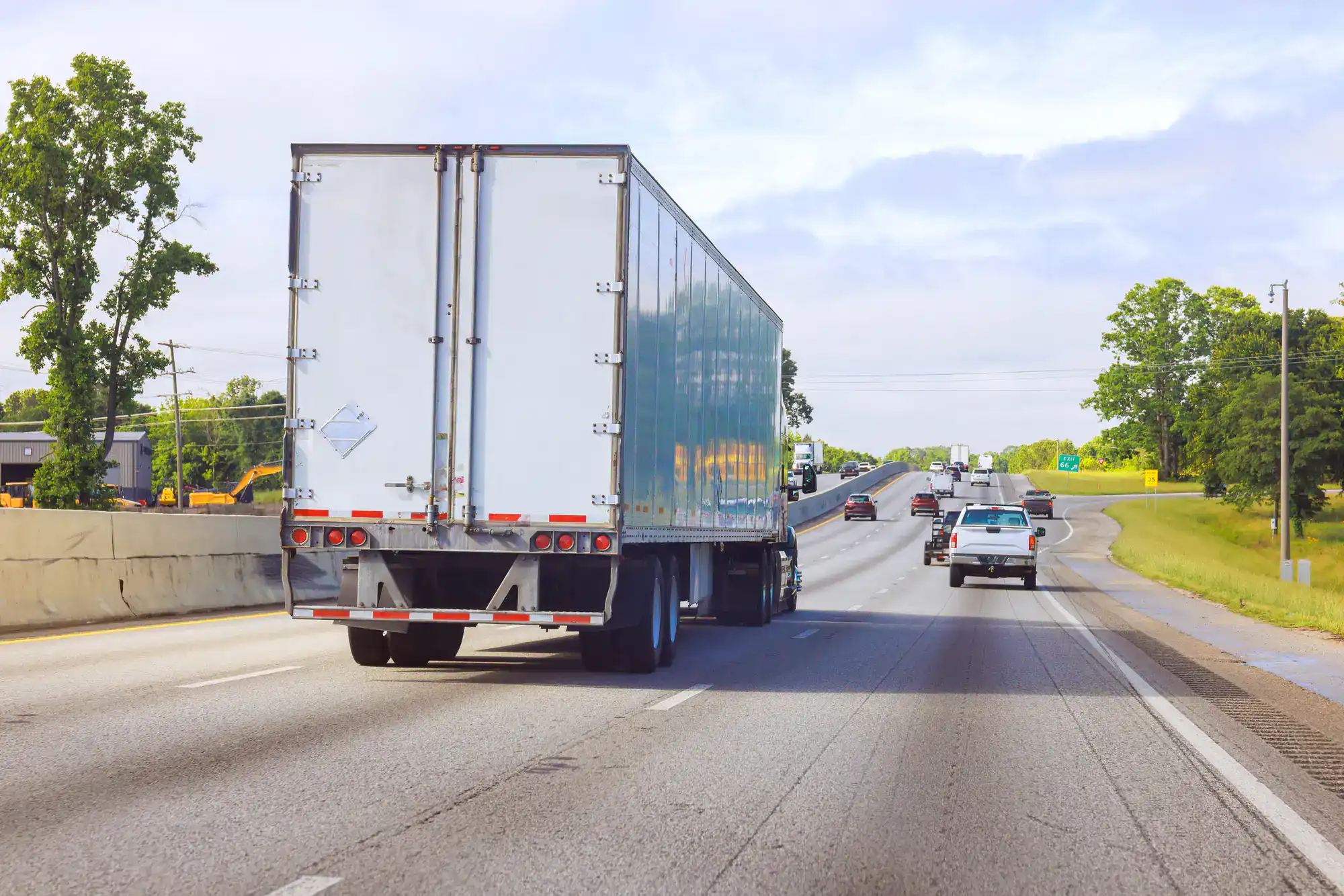
If your truck is a model year 2013 or newer diesel or alternative-fuel heavy-duty vehicle with a GVWR over 14,000 pounds, and it operates on California public roads, then yes, it is subject to CARB’s Clean Truck Check program. That applies whether you’re running agricultural loads on SR-86, hauling construction materials around Indio’s growing residential developments, or moving freight on I-10 through the Coachella Valley.
The program is enforced through CARB’s CTC-VIS system, and compliance status is tied to your DMV registration. A lapsed or missing compliance certificate can result in a registration hold that prevents your truck from being legally registered in California. The Eastern Coachella Valley which includes Indio has been designated an AB 617 priority community, meaning regulatory attention and monitoring infrastructure in this area is more active than in many other parts of the state. If you’re not sure whether your specific truck qualifies, reach out and we can confirm eligibility before you schedule anything.
A Notice to Submit to Testing, or NST, is a hard deadline not a warning. Once you receive one, you have 30 calendar days to complete a passing Clean Truck Check and have the results submitted to CARB’s CTC-VIS system. Missing that window can trigger enforcement action, including fines that escalate quickly.
CARB’s remote emissions monitoring devices are deployed along major freight corridors, and I-10 through Indio is exactly the kind of high-traffic route where those devices operate. If your truck was flagged on the road, the NST follows. The important thing is not to sit on it. Schedule the test as soon as possible so that if your truck does have an emissions-related fault code that needs attention, you have time to address it and retest before the 30 days are up. We submit results directly to CTC-VIS the same day as the test, so you’re not waiting on a submission process after the appointment is done.
As of 2025, most trucks subject to the Clean Truck Check program are required to test twice per year semi-annually. That schedule is already in effect and applies to qualifying trucks operating in Riverside County, including those based in or operating through Indio.
Starting in October 2027, the testing frequency increases to quarterly four times per year for most vehicles in the program. That’s a significant shift, and it’s worth planning for now rather than scrambling when it takes effect. For agricultural operators in the Coachella Valley who are already managing harvest schedules, and for construction fleet managers coordinating multiple trucks across active job sites, having a reliable testing provider who knows your vehicles and can schedule efficiently is going to matter more as the frequency increases. Building that relationship before the quarterly requirement kicks in makes the transition easier.
Yes, a truck can fail the OBD scan if it has active emissions-related fault codes, incomplete system readiness monitors, or other issues that indicate the emissions control system isn’t functioning correctly. A failure doesn’t mean the truck is immediately impounded but it does mean you’ll need to address the underlying issue and retest before your compliance record is updated in CTC-VIS.
In Indio’s climate, where summer temperatures regularly exceed 110°F, diesel emissions components like diesel particulate filters and EGR valves can be stressed in ways that don’t show up as obvious mechanical problems but do trigger fault codes during an OBD scan. If your truck has been running hard through summer heat cycles on I-10 or SR-111, it’s worth being aware that heat-related emissions faults are more common here than in cooler climates. If your truck fails, the scan results will tell you specifically what the system flagged, which gives your mechanic a clear starting point. Once repairs are made, the truck can be retested.
California’s Clean Truck Check program applies to any qualifying truck operating on California public roads regardless of where the truck is registered. If you’re hauling freight through Indio on I-10, running loads for a California-based shipper, or staging in the Coachella Valley for agricultural or event logistics work, and your truck is a model year 2013 or newer diesel with a GVWR over 14,000 pounds, you are subject to the program.
This catches a lot of out-of-state operators off guard, particularly those running the I-10 corridor between Arizona and the Los Angeles Basin. Indio is a natural staging point on that route, and CARB’s monitoring infrastructure along the corridor means non-compliant trucks can be identified without a traditional traffic stop. If you’re based outside California but regularly operate in or through the Coachella Valley, getting compliant before you’re flagged is the straightforward move. We can test your truck and submit results to CTC-VIS whether your registration is California-based or not.
After the OBD test is complete, we submit results electronically and directly into CARB’s Clean Truck Check Vehicle Inspection System CTC-VIS right away. This happens the same day as the appointment, typically right after the scan is finished. You don’t need to log into any portal, create an account, or manage an upload on your end.
For Indio operators running agricultural businesses, construction fleets, or logistics operations, the last thing you need is a government portal added to your workload. CTC-VIS isn’t the most intuitive system, and a submission error or missed upload can leave your truck showing as non-compliant in CARB’s database even after a passing test which creates problems at DMV and with freight brokers who require proof of compliance. Direct submission removes that risk entirely. Once the test is done and results are in the system, your compliance record reflects it. That’s the whole point get the test done, get the record updated, and get back to work.
Useful Links
Other Services we provide in Indio