Check Out Our Reviews!

If you’re running a diesel truck out of the San Jacinto Valley hauling construction materials, moving freight, or servicing one of Hemet’s growing warehouse operations you already know that downtime isn’t abstract. It’s a missed load, a delayed job site, and a day of revenue gone. CARB’s Clean Truck Check program doesn’t care about your schedule. Miss your compliance window and you’re looking at a DMV registration hold that keeps your truck off the road until you fix it.
Hemet’s construction sector has grown faster than almost any other industry in the city over the past five years, and that growth means more qualifying trucks on SR 74 and SR 79 every season. These are exactly the roads where CARB deploys roadside emissions monitoring equipment and a truck flagged out there gets a Notice to Submit to Testing with a 30-day response window. That’s not a lot of time if you don’t already have a credentialed tester lined up.
Staying compliant isn’t complicated when you’re working with the right tester. A passing OBD emissions test using CARB-certified equipment, submitted directly to CARB’s database, and you’re clear. No portal confusion, no manual uploads, no wondering if your records are current. That’s exactly what we deliver for truck operators near Hemet, CA.
We are a CARB-credentialed Clean Truck Check testing provider serving Riverside County, including Hemet, East Hemet, Valle Vista, and San Jacinto. Our credential isn’t self-declared it’s issued by the California Air Resources Board, listed on CARB’s publicly searchable tester database, and renewed on a mandatory two-year cycle. You can verify it yourself before you ever pick up the phone.
Every test we perform uses CARB-certified OBD testing equipment not a generic scanner from a general smog shop. This matters because CARB won’t accept results from non-approved equipment, and a test that doesn’t count is just money and time you don’t get back. Our entire operation is built around one vehicle class: model year 2013 or newer diesel trucks and heavy-duty commercial vehicles with a GVWR over 14,000 pounds. That’s the only population we test, and that focus is exactly what makes the difference for operators in the San Jacinto Valley who need this done right the first time.

The process starts with confirming your truck qualifies model year 2013 or newer, GVWR over 14,000 pounds. If you’re not sure where your truck lands, a quick call can sort that out before you book anything. Once confirmed, you schedule your test and bring the vehicle in. The OBD scan itself is straightforward: CARB-certified equipment connects directly to your truck’s onboard diagnostic system and reads the emissions data. There’s no lengthy teardown, no guesswork, and no waiting around for hours.
When the test is complete, we submit results electronically and directly to CARB’s Clean Truck Check Vehicle Inspection System CTC-VIS on the spot. You don’t log into a portal. You don’t upload anything. The submission happens immediately, and your compliance record is updated in real time. For Hemet-area operators juggling construction schedules, freight contracts, or agricultural runs, that means one less thing to manage and zero risk of a missed submission deadline.
One thing worth knowing for the San Jacinto Valley specifically: the summer heat in this area regularly above 100°F between June and September can stress diesel emissions systems and trigger OBD fault codes that wouldn’t show up in cooler months. Testing before the heat peaks, rather than right before your compliance deadline, gives you time to address any issues without the clock running out on you.

Ready to get started?
Our service covers OBD-based emissions testing for diesel trucks and heavy-duty commercial vehicles that are model year 2013 or newer and carry a GVWR over 14,000 pounds. This is the exact vehicle population CARB’s Clean Truck Check program targets and it’s the only population we test. If your truck doesn’t meet both of those thresholds, it doesn’t fall under this program. If it does, compliance testing is mandatory, and the testing frequency is only going up: twice per year as of 2025, and four times per year for most affected vehicles by October 2027.
Every test we perform includes direct electronic submission to CTC-VIS, so your compliance record is updated immediately without any action on your end. For Hemet-area fleet operators whether you’re managing construction vehicles, agricultural freight trucks, or commercial service vehicles running routes through the San Jacinto Valley that means your records are always current and always verifiable by CARB, DMV, or any freight facility that requires a compliance certificate at the gate.
Hemet falls within the South Coast Air Quality Management District, one of the most actively enforced air quality jurisdictions in the country. That regulatory context means compliance here isn’t theoretical. The SCAQMD and CARB both have enforcement presence in Riverside County, and the trucks running SR 74 toward Lake Elsinore or SR 79 toward Beaumont are operating in an area where non-compliance carries real consequences not just paperwork.
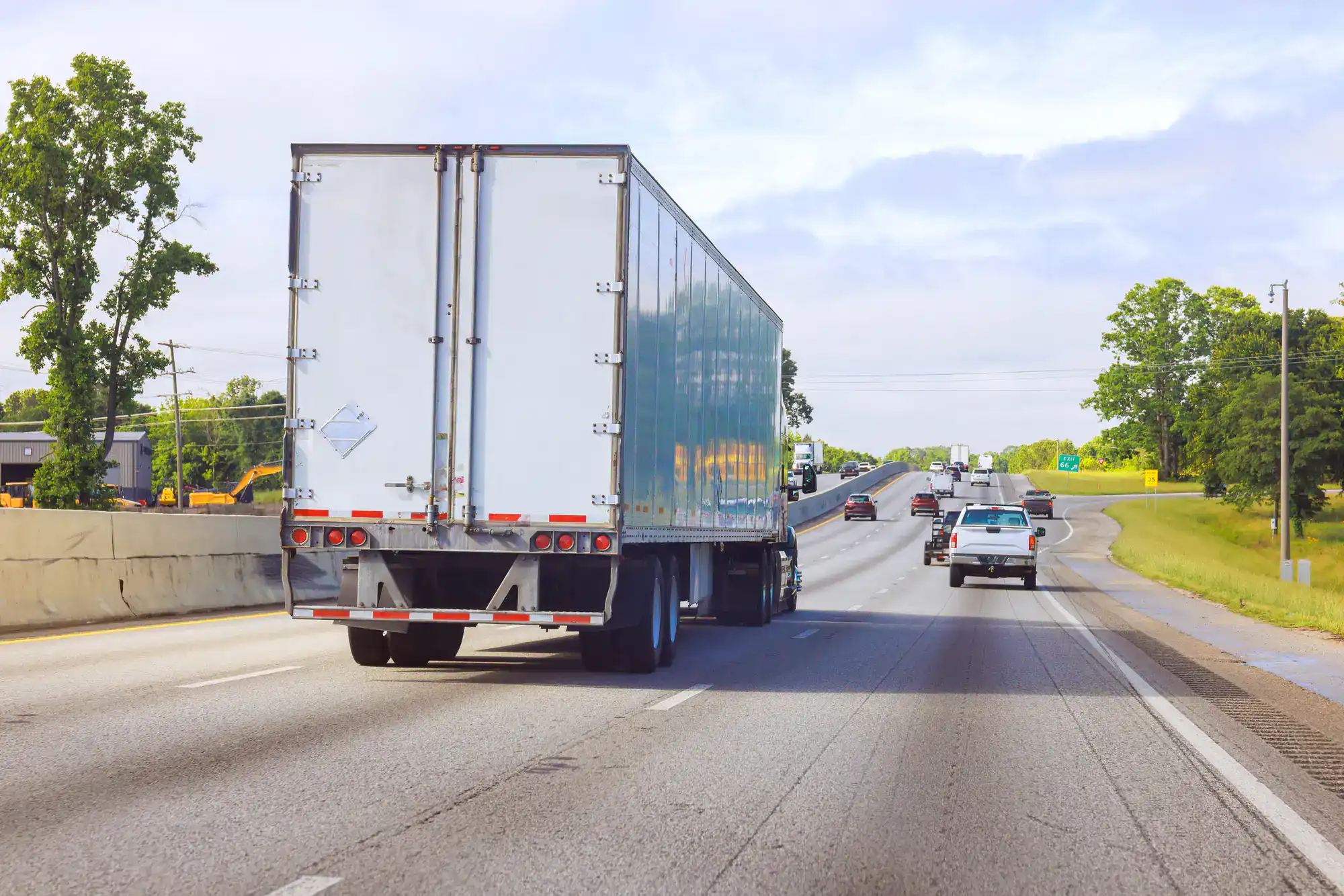
If your truck is model year 2013 or newer and has a GVWR over 14,000 pounds, yes it’s subject to CARB’s Clean Truck Check program, and that applies anywhere it operates on California public roads, including every route in and out of Hemet. SR 74 and SR 79 are the primary corridors connecting the San Jacinto Valley to the rest of the freight network, and CARB deploys roadside emissions monitoring equipment on state routes throughout Riverside County.
The program doesn’t have a geographic carve-out for inland valley cities or smaller markets. If your truck qualifies by year and weight, you’re in the program. The compliance fee itself is $31.18 per vehicle annually in 2025, but that’s separate from our service fee and it’s a fraction of what a registration hold or enforcement fine would cost you. Getting tested proactively is always cheaper than reacting to a notice.
A failing test result doesn’t trigger an immediate fine. What it does is open a repair window you have time to address whatever caused the failure and come back for a retest before your compliance deadline expires. The key is not waiting until the last week before your deadline to test, because that leaves you no room if something does come up.
For operators running tight schedules out of Hemet especially during peak construction season or agricultural freight runs testing early in your compliance window is the smarter move. If your truck fails in week one, you have weeks to fix it. If it fails two days before your deadline, you’re in a much harder spot. The OBD scan will tell you exactly what triggered the failure, so there’s no ambiguity about what needs to be repaired before the retest.
Yes, and this catches a lot of operators off guard. CARB’s Clean Truck Check program applies to any qualifying heavy-duty diesel truck operating on California public roads regardless of where the vehicle is registered. If you’re an interstate carrier running loads through the San Jacinto Valley on SR 74 from the Coachella Valley, or coming through on SR 79 from the Beaumont/Banning corridor off I-10, and your truck is model year 2013 or newer with a GVWR over 14,000 pounds, you are subject to California’s compliance requirements.
Out-of-state operators who aren’t familiar with the program are among the most common recipients of Notices to Submit to Testing after being flagged by roadside monitoring equipment. We test vehicles regardless of registration state and submit results directly to CTC-VIS. If you’re moving freight through Riverside County and haven’t verified your California compliance status, it’s worth a call before your next California run.
As of 2025, trucks subject to Clean Truck Check are required to pass testing twice per year once every six months. That schedule is already in effect, and it’s going up. By October 2027, most affected vehicles will be required to test four times per year. That’s a significant increase in testing frequency, and it means having a reliable, credentialed tester you can schedule with consistently becomes more important every year.
For Hemet-area operators, that cadence means planning your tests around your busiest seasons. Construction peaks in spring and fall, agricultural freight has its own seasonal rhythm, and summer heat in the San Jacinto Valley can affect emissions system performance. Building your compliance schedule around those realities rather than scrambling every time a deadline approaches is the difference between a manageable compliance routine and a recurring operational headache.
They’re completely different programs targeting completely different vehicles. A standard smog check the kind you get at a STAR-certified smog station on Florida Avenue or elsewhere in Hemet applies to passenger cars and light-duty vehicles. It uses a tailpipe emissions test or basic OBD scan for those vehicle classes and is tied to your annual DMV registration renewal.
CARB’s Clean Truck Check is a separate, mandatory program specifically for heavy-duty diesel trucks and commercial vehicles that are model year 2013 or newer with a GVWR over 14,000 pounds. It requires a CARB-certified OBD testing device not the equipment used at a standard smog station and results must be submitted directly to CARB’s CTC-VIS database. A general smog shop that also offers Clean Truck Check testing is different from a provider whose entire credentialed operation is built around this specific vehicle class. We test only the trucks that fall under the Clean Truck Check program that’s the whole scope of what we do.
Yes, and this is one of the most common situations we handle for Riverside County operators. CARB issues DMV registration holds automatically when a qualifying truck misses its compliance deadline. The hold doesn’t lift until a passing Clean Truck Check test result is on file in the CTC-VIS system and it has to come from a CARB-credentialed tester using approved equipment.
For an owner-operator in Hemet running one or two trucks, a registration hold is a real business emergency. The truck can’t legally operate, loads don’t move, and every day it sits is lost revenue. The fastest path to clearing the hold is a passing OBD test submitted directly to CARB which is exactly what we provide for trucks near Hemet, East Hemet, Valle Vista, and San Jacinto. If you’ve received a hold notice or a Notice to Submit to Testing, you have a 30-day window to produce a passing result. Don’t wait on it.
Useful Links
Other Services we provide in Hemet