Check Out Our Reviews!

Gardena sits right at the western end of SR-91 the Gardena Freeway and the I-110 runs straight through the city’s eastern edge down to the Port of Los Angeles. If your truck operates in this corridor, it’s on one of the most actively monitored freight routes in the state. CARB’s remote emissions monitoring devices run along these exact roads. Getting flagged isn’t a matter of bad luck it’s a matter of when.
A passing Clean Truck Check test means your truck stays on the road, your port access stays open, and your freight broker doesn’t pull your loads. For drayage operators staging out of Gardena’s industrial zone, the port is ten miles away. That’s not a long drive unless your compliance certificate is expired and the terminal won’t let you in.
The cost of staying compliant is predictable and manageable. The cost of falling out of compliance DMV holds, fines up to $10,000 per vehicle per day, lost loads is not. Gardena’s logistics and distribution businesses run tight margins. Compliance isn’t a burden. It’s protection.
We work exclusively with model year 2013 or newer diesel and heavy-duty vehicles with a GVWR over 14,000 pounds. That’s it. Not passenger cars, not light trucks the specific truck population that California’s Clean Truck Check program actually covers. For Gardena operators, that focus matters, because there’s a meaningful difference between a credentialed HD I/M tester and a standard smog station.
There are smog shops in Gardena that do solid work but they cannot perform a Clean Truck Check. That service requires a separate CARB-issued credential, CARB-certified OBD testing equipment, and direct electronic submission to CARB’s CTC-VIS database. We have all three. Our credential is state-issued, publicly searchable on CARB’s database, and renewed every two years. You can verify it before you ever call.
We serve Los Angeles County, and Gardena positioned midway between Downtown LA and the LA/Long Beach Harbor is core territory for our operations.

The first step is confirming your truck qualifies model year 2013 or newer, GVWR over 14,000 pounds, OBD-equipped. If that’s your truck, you’re in the right place. We schedule a mobile appointment and come to your location in Gardena. Your truck doesn’t leave the yard. That matters for fleet operators running dispatch out of Gardena’s industrial parks near the I-110 and SR-91 corridors downtime costs money, and driving a truck to a fixed location for testing is unnecessary.
On-site, we connect CARB-certified OBD diagnostic equipment directly to your vehicle. The scan reads your truck’s emissions-related systems and generates a result. The whole process is straightforward no lengthy inspection, no guesswork. If the truck passes, results are submitted electronically to CARB’s CTC-VIS system immediately. You don’t log into a portal. You don’t upload anything. It’s handled.
If the truck doesn’t pass, you’ll know exactly what the OBD scan flagged, so you can address the issue and retest before your deadline. For trucks that received a Notice to Submit to Testing, that window is 30 calendar days so knowing what needs to be fixed as early as possible is critical. We can also test proactively, up to 90 days before your compliance deadline, so you’re never rushing.

Ready to get started?
Every Clean Truck Check we perform in Gardena covers the full OBD-based emissions inspection required under California’s HD I/M program. That includes connecting CARB-certified diagnostic equipment to your truck’s OBD port, scanning all emissions-relevant systems, generating your compliance result, and submitting that result directly to CARB’s CTC-VIS database before the tester leaves your location. The $31.18 annual CARB compliance fee is paid separately through CTC-VIS that’s a state-assessed fee, not part of the testing cost, and it covers the calendar year per vehicle.
This service applies only to diesel and heavy-duty vehicles that are model year 2013 or newer with a GVWR over 14,000 pounds. If your truck was built before 2013 or comes in under that weight threshold, it falls outside the Clean Truck Check program entirely. That’s not a limitation of our service it’s the scope of the regulation itself.
For fleet managers in Gardena running multiple trucks out of warehouse or distribution yards near the SR-91 corridor, our mobile fleet testing means we can test several vehicles in sequence during a single visit. As the testing schedule escalates semi-annual in 2025, quarterly by October 2027 having a testing partner who comes to you, submits directly to CARB, and keeps your fleet moving without added logistics is worth more than it might seem right now.
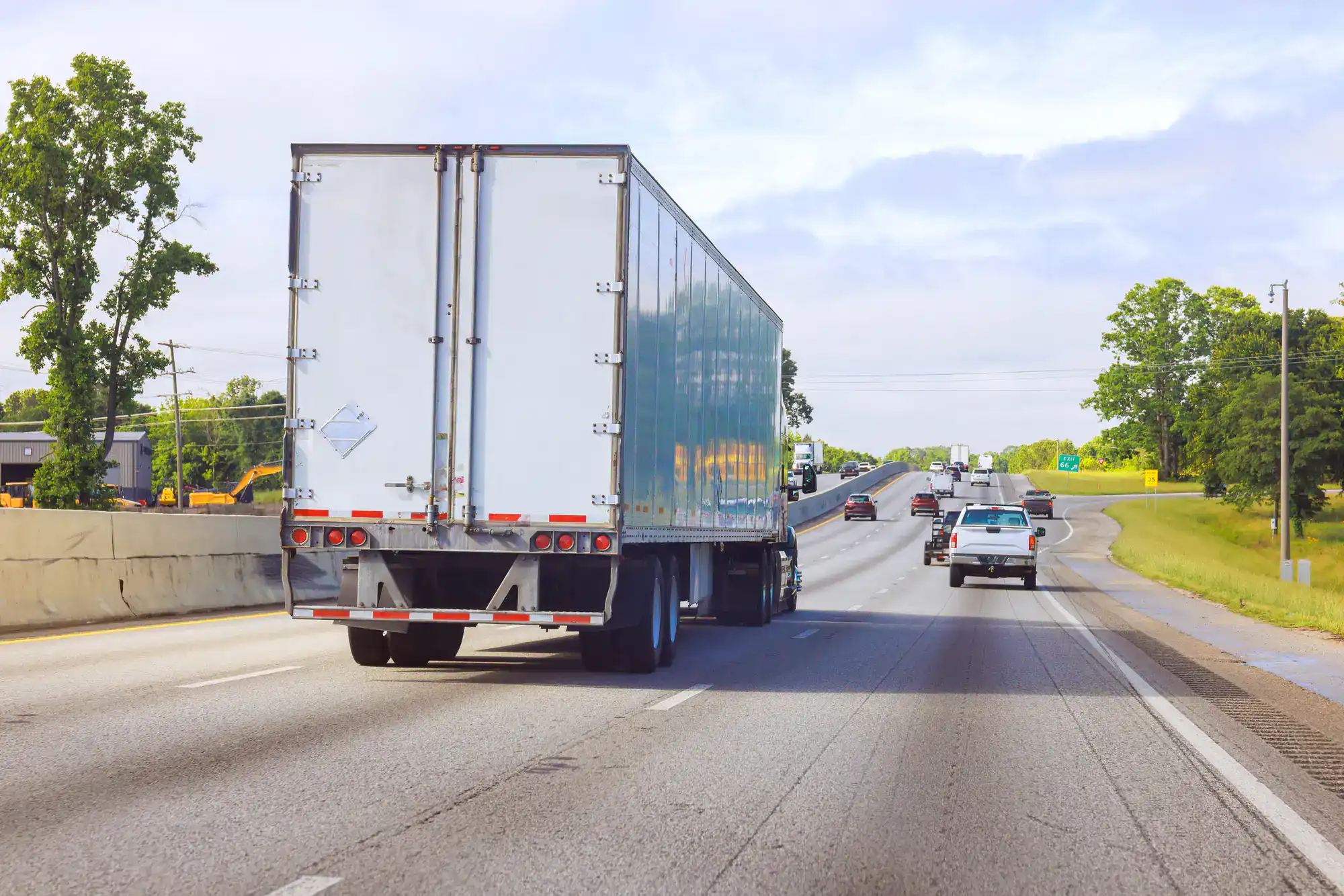
If your truck is model year 2013 or newer and has a GVWR over 14,000 pounds, yes it’s subject to California’s Clean Truck Check program regardless of where in California you’re based. Being located in Gardena doesn’t change that requirement, and it doesn’t matter whether your truck is California-registered or registered in another state. If it’s operating on California public roads, it needs a passing emissions test submitted by a CARB-credentialed tester.
Gardena’s position along the I-110 and SR-91 corridors puts local operators in one of the most actively monitored freight zones in the state. CARB uses roadside remote emissions monitoring devices along major truck routes, and the Gardena Freeway corridor is exactly the kind of high-volume route where flagging happens. If you haven’t been tested yet, it’s worth getting ahead of it before enforcement finds you first.
They’re completely different services. A standard smog check the kind offered at passenger vehicle smog stations in Gardena tests light-duty cars and trucks using tailpipe emissions equipment. A Clean Truck Check is an OBD-based inspection designed specifically for heavy-duty diesel vehicles model year 2013 or newer with a GVWR over 14,000 pounds. The credential required to perform it, the equipment used, and the database the results are submitted to are all different.
If a standard smog shop tells you they can test your semi truck, ask them to show you their CARB HD I/M Tester credential the state-issued certification required to legally perform a Clean Truck Check. We hold that credential, use CARB-certified OBD testing devices, and submit results directly to CARB’s CTC-VIS system. That’s the full chain of compliance. A regular smog check from a Gardena smog station doesn’t satisfy any part of it.
As of 2025, most affected vehicles need to pass a Clean Truck Check twice per year semi-annually. That frequency is scheduled to increase to four times per year by October 2027, so the compliance burden is going up, not down. For Gardena fleet operators managing multiple trucks, that means planning ahead matters more now than it did when the program launched.
The good news is that you can submit a passing test up to 90 days before your compliance deadline. That flexibility lets you schedule testing during a slower dispatch period rather than scrambling when a deadline hits. We can come to your Gardena yard and test multiple trucks in a single visit, which makes the semi-annual and eventually quarterly schedule far less disruptive to your operation.
A failed test doesn’t immediately mean your truck is out of service, but it does start a clock. The OBD scan will identify which emissions-related systems triggered the failure, giving you a clear starting point for repairs. Once the repairs are made, your truck needs to be retested by a CARB-credentialed tester and the passing result submitted to CTC-VIS before your compliance deadline.
If your truck received a Notice to Submit to Testing, you have 30 calendar days from the date on that notice to submit a passing result. That window includes time for diagnosis, repair, and retesting so the earlier you get the initial test done, the more time you have to address any issues without hitting the deadline. For Gardena drayage operators whose income depends on port access, a failed test handled quickly is a manageable setback. A failed test ignored until the DMV puts a hold on your registration is a much bigger problem.
Yes. We offer mobile testing, which means our tester comes to your location in Gardena your warehouse, your distribution yard, your truck yard, wherever your vehicles are staged. Your trucks don’t need to drive to a fixed testing location, and you don’t need to pull them off dispatch to make it happen.
For fleet managers running operations out of Gardena’s industrial parks near the I-110 and SR-91 corridors, this is a practical advantage. Multiple trucks can be tested in sequence during a single visit, and results for each vehicle are submitted directly to CTC-VIS before the tester leaves. As the required testing frequency increases toward quarterly by 2027, having a mobile testing partner who works around your dispatch schedule rather than the other way around becomes a real operational asset.
Yes. California’s Clean Truck Check program applies to any qualifying vehicle operating on California public roads registration state is irrelevant. If your truck is model year 2013 or newer with a GVWR over 14,000 pounds and it’s running freight in California, it needs a passing Clean Truck Check test submitted by a CARB-credentialed tester. That applies whether you’re based in Arizona, Nevada, Texas, or anywhere else.
For interstate carriers running loads into the LA Basin whether entering via SR-91 from Riverside County or via I-110 from the port complex Gardena is often one of the first stops. Port terminals and freight brokers operating in the LA/Long Beach area require a valid compliance certificate before granting access or awarding loads. If your out-of-state truck doesn’t have a current Clean Truck Check on file with CARB’s CTC-VIS system, that paperwork gap will surface at the terminal gate, not in a warning letter. We can get your vehicle tested and submitted before your next California run.
Useful Links
Other Services we provide in Gardena