Check Out Our Reviews!
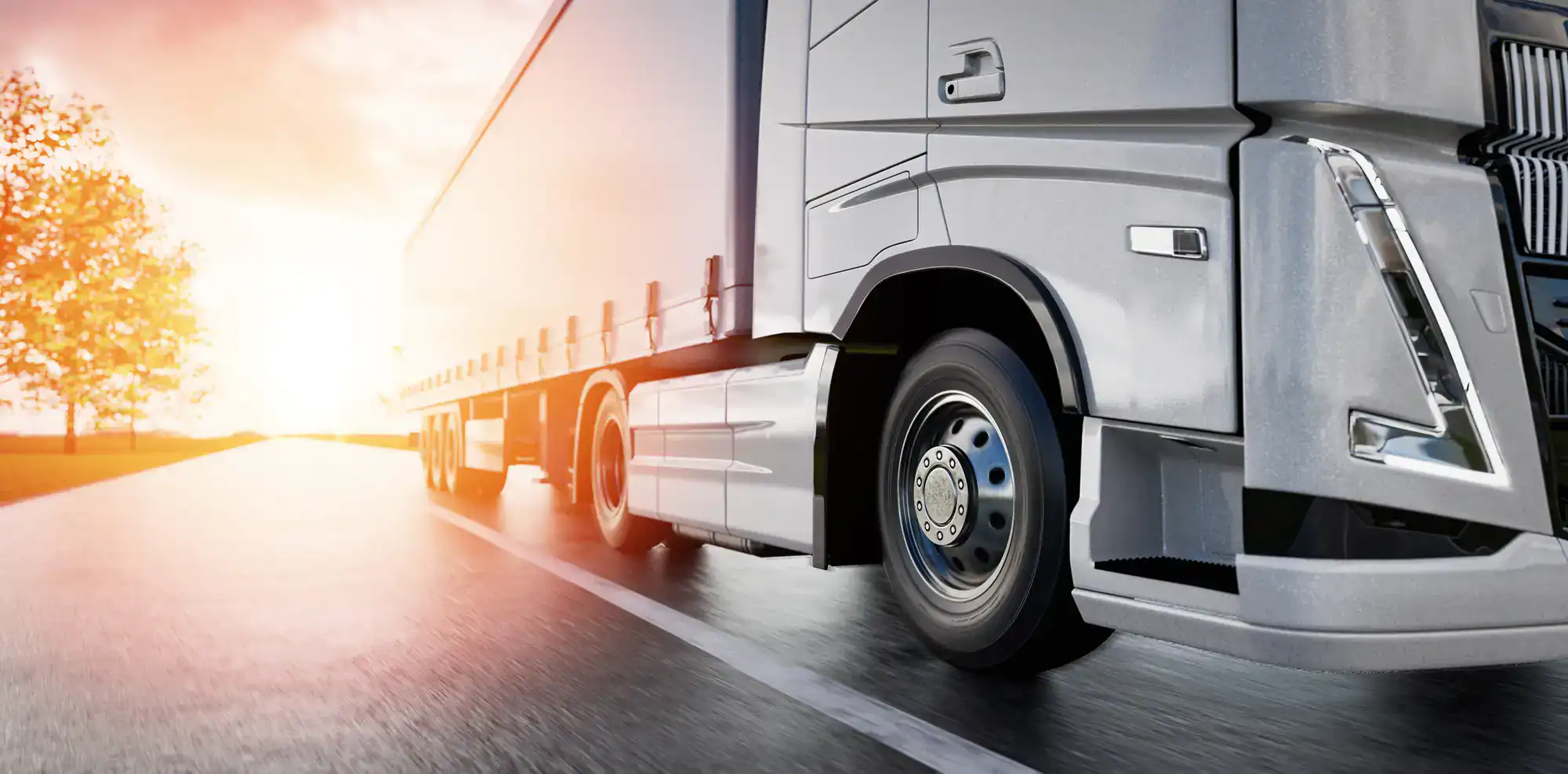
The I-15, SR-60, SR-91, and SR-71 form the box that surrounds Eastvale and every one of those corridors is actively monitored by CARB’s roadside emissions devices. A truck flagged on the way to a port load or a Philadelphia Street distribution drop doesn’t just get a warning. It gets a Notice to Submit to Testing, a 30-day deadline, and a potential DMV registration hold that grounds your vehicle until you fix it.
That’s the real cost of falling behind on CARB compliance in Eastvale. It’s not a fine you pay and move on from it’s a truck that can’t run, a load you can’t take, and a freight broker or port terminal that won’t call you back until your compliance record is clean. For owner-operators living in Eastvale who have a mortgage, a family, and a business depending on that truck, downtime isn’t just inconvenient. It’s a serious financial hit.
What changes when you’re current on your Clean Truck Check is straightforward: your truck runs, your registration clears, and your compliance record in CARB’s CTC-VIS system shows exactly what port terminals and brokers need to see. We handle the OBD test with CARB-certified equipment and submit your results directly to the system the same day so you’re not waiting on paperwork or navigating a portal that wasn’t designed for someone running loads six days a week.
All SMOG Motors is a CARB-credentialed Clean Truck Check testing provider based in Perris, CA within Riverside County, the same county as Eastvale. That’s not a technicality. We operate under the same South Coast AQMD jurisdiction, serve the same Inland Empire freight corridors that Eastvale operators depend on, and understand the specific compliance pressures facing owner-operators who run loads between the Eastvale warehouse belt and the Ports of Los Angeles and Long Beach.
Every tester on our team has completed CARB’s official HD I/M training course, passed the credentialing exam, and is listed on CARB’s publicly searchable database. You can look us up before you ever call. We use only CARB-certified OBD testing equipment not generic diagnostic tools and every test result is submitted electronically and directly to CTC-VIS. No manual uploads, no delays, no portal errors on your end.
Our entire focus is on 2013-or-newer diesel trucks with a GVWR over 14,000 pounds. That’s the only vehicle class we test. If you’re an owner-operator or fleet manager running trucks through Eastvale’s logistics corridor, this is exactly the service built for your situation.

The process starts with confirming your vehicle qualifies. CARB’s Clean Truck Check applies only to diesel trucks that are model year 2013 or newer and have a GVWR over 14,000 pounds. If you’re running a mixed fleet out of an Eastvale-area warehouse some trucks that qualify, some that don’t we’ll help you sort that out before you schedule anything. No wasted trips, no confusion.
Once your vehicle is confirmed, we connect CARB-certified OBD testing equipment directly to your truck’s onboard diagnostic system. The test reads your engine’s emissions data electronically it’s not a tailpipe sniff test, and it doesn’t require your truck to be torn apart. The OBD scan captures what CARB needs, and if your truck passes, the result goes directly into the CTC-VIS system from our end. Your compliance record updates the same day.
If your truck doesn’t pass, you’ll know exactly what the test flagged and what needs to be addressed before a retest. Given that Eastvale operators are often running tight schedules between warehouse pickups and port deliveries, we keep the process as efficient as possible. No unnecessary delays, no runaround. You get a clear result, a direct submission to CARB, and the documentation you need to keep your truck on the road and your operation moving.

Ready to get started?
CARB’s Clean Truck Check is a semi-annual OBD-based emissions compliance test for diesel trucks model year 2013 or newer with a GVWR over 14,000 pounds. As of 2025, covered trucks must be tested twice per year. By October 2027, that requirement increases to four times per year for most vehicles. If you’re managing a fleet out of the Philadelphia Street logistics corridor or running solo as an owner-operator in Eastvale, that testing schedule is already in effect and it’s only getting more frequent.
The annual CARB compliance fee is $31.18 per vehicle, paid directly to CARB through their system. That’s separate from the testing service fee, which is what you pay All SMOG Motors to perform the OBD test and submit your results. A lot of operators conflate the two now you know they’re different line items.
One thing that catches Eastvale-area operators off guard: if your truck is registered in Nevada, Arizona, or another state but you’re picking up loads from Inland Empire distribution centers or running California roads, you are still subject to CARB’s Clean Truck Check. Registration state doesn’t matter. If the truck operates in California, it needs to comply. We can test and certify your vehicle regardless of where it’s registered and submit those results directly to CTC-VIS so your record is current before your next California load.
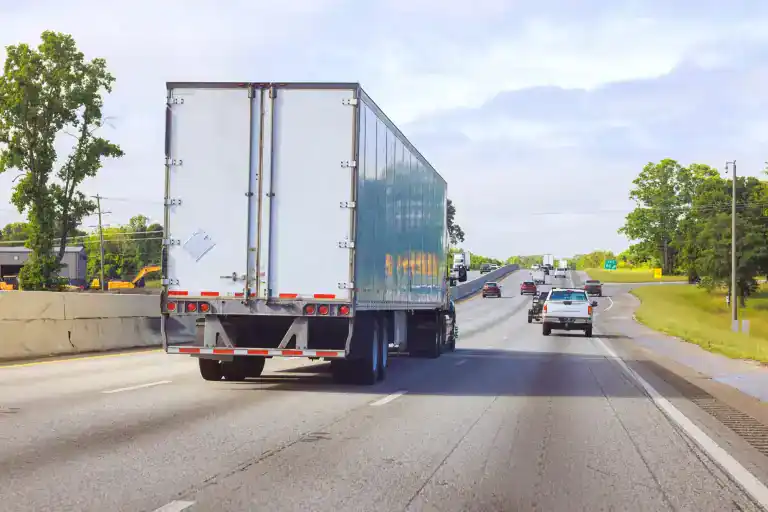
Yes and this is one of the most common misunderstandings among operators running loads through the Inland Empire and picking up freight in Eastvale. CARB’s Clean Truck Check program applies to any diesel truck operating on California public roads, regardless of where the vehicle is registered. If your truck is tagged in Nevada, Arizona, Utah, or anywhere else but you’re picking up freight from Eastvale-area warehouses or running California loads on the I-15 or SR-60 corridor, you are subject to this requirement.
The registration state has no bearing on compliance obligation. What matters is whether the truck meets the program’s vehicle criteria model year 2013 or newer, GVWR over 14,000 pounds and whether it operates in California. If both are true, the truck needs a valid Clean Truck Check on file in CARB’s CTC-VIS system. We can test your vehicle and submit the results directly to CTC-VIS regardless of where your registration is based, so your compliance record is current before your next California haul.
A failed Clean Truck Check doesn’t mean your truck is permanently grounded, but it does mean you have work to do before you can get a passing result on file. When your truck fails, the OBD test will identify the specific fault codes or emissions-related issues that triggered the failure. That gives you or your mechanic a clear starting point for what needs to be repaired before a retest.
The urgency of that repair timeline depends on your situation. If you received a Notice to Submit to Testing from CARB, you’re working against a 30-day deadline. A failed test followed by repairs and a passing retest needs to happen within that window. For Eastvale operators running drayage loads to the ports via I-15 and SR-60, a lapsed compliance record can also mean denial of access at port terminals freight brokers verify compliance status before awarding loads. Getting to a passing retest quickly isn’t just a regulatory issue. It’s a business one.
As of 2025, covered trucks are required to be tested twice per year once every six months. That’s the current schedule under CARB’s Clean Truck Check program. By October 2027, the requirement escalates to four times per year for most vehicles in the program. So if you’re an Eastvale owner-operator or fleet manager, you’re looking at a testing relationship that’s going to become more frequent over the next two years, not less.
The semi-annual schedule is already active, which means if your last test was more than six months ago, you may already be out of compliance. CARB’s roadside remote emissions monitoring devices are deployed throughout the Inland Empire’s major freight corridors including the I-15 and SR-60 routes that Eastvale trucks run constantly and they can flag a non-compliant vehicle without a traffic stop. Staying ahead of your testing schedule is the simplest way to avoid a Notice to Submit to Testing and the 30-day deadline that comes with it.
The program applies to diesel trucks that are model year 2013 or newer and have a Gross Vehicle Weight Rating over 14,000 pounds. Both conditions have to be true. A 2015 diesel pickup truck rated under 14,000 lbs GVWR doesn’t qualify. A pre-2013 diesel semi doesn’t qualify either, regardless of weight. The Clean Truck Check is specifically designed for the OBD-equipped heavy-duty diesel fleet the class of truck that makes up the backbone of the Inland Empire’s freight economy.
For Eastvale operators running mixed fleets out of warehouse facilities along the Philadelphia Street corridor or adjacent industrial zones, this distinction matters. Not every truck in your yard may be subject to the requirement. Sorting out which vehicles qualify before you schedule testing saves time and avoids paying for tests on vehicles that don’t need them. We only test vehicles that fall within this specific category 2013-or-newer diesel trucks over 14,000 lbs GVWR so if you’re unsure whether your truck qualifies, that’s a straightforward question we can answer before you book.
No. A standard smog check station the kind that tests passenger cars and light trucks for California’s regular smog program cannot perform a valid Clean Truck Check. The programs are completely separate. The Clean Truck Check requires a tester who holds CARB’s specific Heavy-Duty Inspection and Maintenance credential, issued only after completing CARB’s official HD I/M training course and passing the accompanying exam. It also requires CARB-certified OBD testing equipment designed for heavy-duty vehicles not the standard diagnostic tools a general smog station uses.
If you take your diesel semi to a shop that isn’t CARB-credentialed for HD I/M testing, the result won’t be accepted by CARB and won’t be submitted to CTC-VIS. You’ll have paid for a test that doesn’t count. Our testers are listed on CARB’s public database of credentialed HD I/M testers you can verify that directly on CARB’s website before scheduling. That’s not something every provider in the Riverside County market can say.
A DMV registration hold tied to CARB non-compliance means your truck’s registration cannot be renewed and in California, operating a vehicle with expired registration is a separate legal problem on top of the CARB violation. For an Eastvale-based operator running loads between Inland Empire distribution centers and the Ports of Los Angeles and Long Beach, a grounded truck is lost revenue from day one. The fines for continued non-compliance can reach $10,000 per vehicle per day, which is not a number that takes long to become a serious financial problem.
Clearing the hold requires getting a passing Clean Truck Check on file in CARB’s CTC-VIS system. Once a passing test result is submitted which we do electronically and directly the path to clearing your registration hold is open. The sooner you get the test done and passed, the sooner that hold can be resolved. If your truck also needs repairs to pass, that repair timeline becomes critical. Eastvale operators who come to us with an active registration hold get a clear picture of exactly where they stand and what needs to happen next.
Useful Links
Other Services we provide in Eastvale