
Check Out Our Reviews!
When a DMV registration hold hits, the truck stops. That’s not a warning that’s lost revenue, a stalled load, and a problem that compounds every day you wait. We get your results submitted directly to the state the same day you test, so there’s no gap between the test and your compliance record being updated.
Calimesa sits at the western mouth of the San Gorgonio Pass, and every truck moving between Los Angeles and the desert Southwest rolls through on I-10. CARB uses roadside emissions monitoring devices along major freight corridors and I-10 is one of them. If your truck gets flagged, you have 30 calendar days from the notice to submit a passing test from a credentialed tester. That clock doesn’t pause for repairs, scheduling conflicts, or portal confusion.
The Birtcher Oak Valley Commerce Center on Singleton Road changed the trucking landscape in Calimesa. That 2.25 million square foot logistics facility brought sustained, daily commercial truck activity into a city that was largely residential just a few years ago. If you’re hauling in or out of that corridor, freight brokers are already checking your compliance status before they hand you a load. Staying current isn’t just about avoiding fines it’s about staying in the work.
We hold a CARB-issued credential for heavy-duty OBD emissions testing the kind you can look up yourself on CARB’s public database before you ever call us. That credential isn’t a marketing claim. It’s a state-issued authorization that required completing CARB’s official HD I/M Tester Training Course, passing the exam, and maintaining renewal every two years. Our equipment is CARB-certified, not a generic scan tool pulled off a shelf.
We test only trucks that are model year 2013 or newer with a GVWR over 14,000 pounds which is exactly the vehicle population CARB’s Clean Truck Check program covers. That focus matters. Every test we run is on an OBD-equipped heavy-duty commercial vehicle, so the process is dialed in, not improvised.
We’re based in Riverside County, and so is Calimesa. Whether you’re running out of the Singleton Road logistics corridor, hauling cross-country on I-10, or managing a small fleet based in the Beaumont-Calimesa area, we know this stretch of road and the compliance pressure that comes with it.

It starts with confirming your truck qualifies model year 2013 or newer, GVWR over 14,000 pounds. If it does, we schedule your test and connect your vehicle’s OBD system to CARB-certified diagnostic equipment. The scan reads your truck’s onboard emissions data directly, checking the systems we require: monitors, fault codes, and readiness status. There’s no guesswork in the process the equipment either confirms compliance or it doesn’t.
If your truck passes, we submit results electronically to CARB’s CTC-VIS system immediately. You don’t log in, you don’t upload anything, and you don’t have to figure out the portal. Your compliance record is updated the same day. If something flags during the test, you’ll know exactly what it is and what needs to be addressed before your deadline which gives you time to get repairs done rather than scrambling at the last minute.
One thing worth knowing for trucks running the I-10 corridor through the San Gorgonio Pass: the high-wind conditions in the pass are a known factor for high-profile vehicle operations, and extreme summer heat in the Inland Empire can stress emissions systems and trigger OBD fault codes. Testing before your deadline not at it gives you room to handle anything that comes up without losing a day of work.
Ready to get started?
Every Clean Truck Check we perform includes the full OBD scan using CARB-certified equipment, direct electronic submission to the CTC-VIS database, and same-day compliance record update. You’re not paying for a printout you have to figure out what to do with the submission is handled, and your record reflects it immediately.
This service is specifically for trucks that are model year 2013 or newer with a GVWR over 14,000 pounds. That covers the semi trucks, heavy-duty commercial vehicles, and fleet units operating out of Calimesa’s Birtcher logistics corridor and running the I-10 freight route daily. It also covers out-of-state trucks if your rig is registered in Arizona, Nevada, or any other state but you’re operating on California roads, CARB’s Clean Truck Check applies to you regardless of where your plates are from.
The 2025 compliance schedule requires semi-annual testing two tests per year. By October 2027, most qualifying trucks move to quarterly testing, meaning four times per year. For owner-operators running a single truck out of Calimesa or fleet managers handling multiple units in the Beaumont-Banning corridor, that frequency makes having a reliable, credentialed tester you can call repeatedly far more valuable than hunting for someone new every cycle. The annual CARB compliance fee is $31.18 per vehicle in 2025, paid separately through the CTC-VIS portal our service fee covers the test and submission, not that state fee.
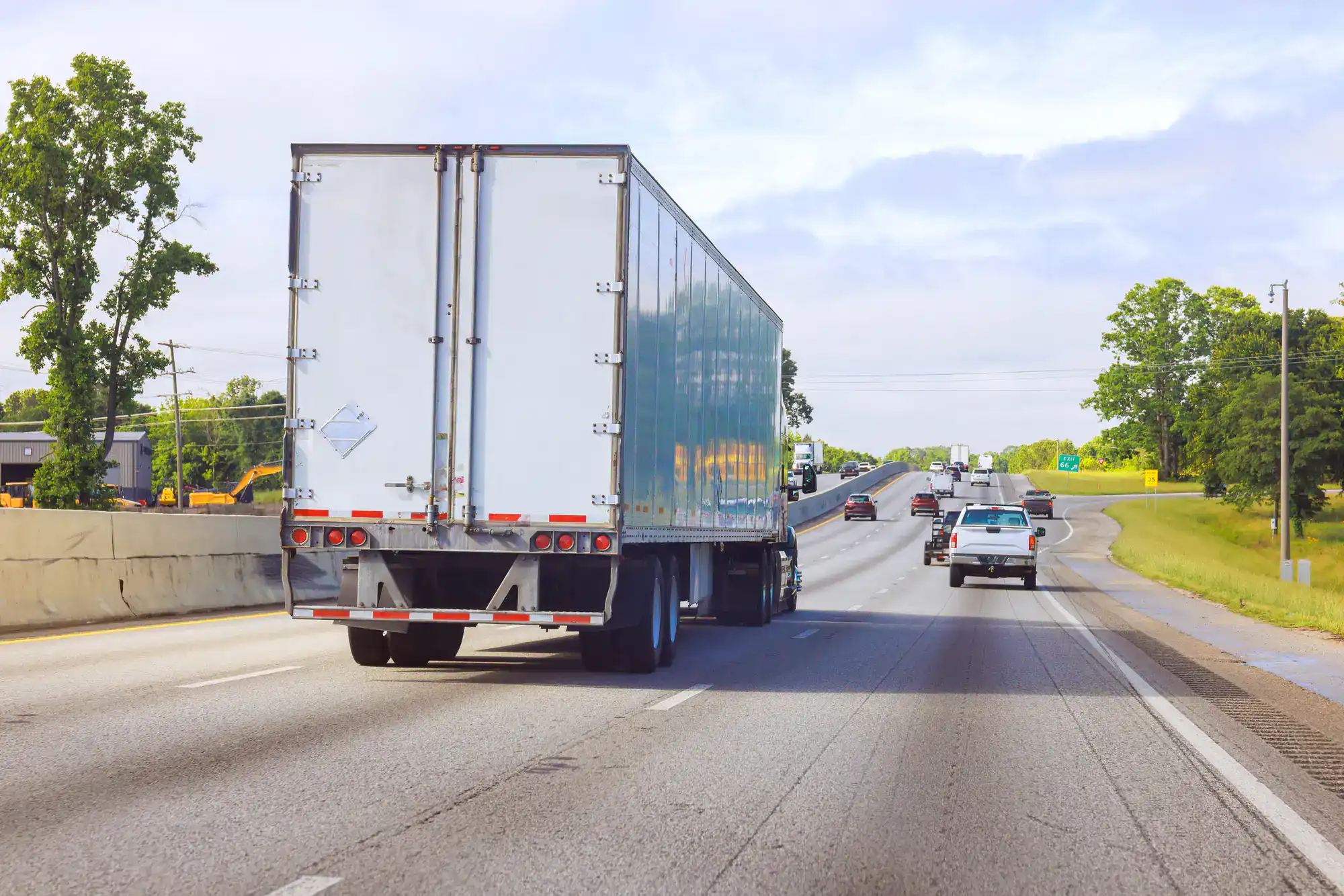
Yes and this is one of the most common blind spots for interstate carriers running the I-10 corridor through the San Gorgonio Pass near Calimesa. CARB’s Clean Truck Check applies to any qualifying truck operating on California public roads, regardless of where the vehicle is registered. If your truck is a 2013 or newer model with a GVWR over 14,000 pounds and it’s moving freight through California including through Calimesa on I-10 you’re subject to the program.
CARB uses roadside emissions monitoring devices along major freight corridors, and I-10 is a known enforcement route. If your truck gets flagged as a potential high emitter, you’ll receive a Notice to Submit to Testing. From the date you receive that notice, you have 30 calendar days to submit a passing test from a credentialed tester. We’re CARB-credentialed and submit results directly to CARB’s CTC-VIS system so if you’re running California loads and your compliance status is unclear, the time to sort it out is before you get flagged, not after.
A failed test isn’t an immediate fine it’s a signal that something in your truck’s emissions system needs attention before you can pass. The test result tells you specifically what flagged, whether that’s an active fault code, a monitor that didn’t complete, or a readiness issue. That information is what you take to a diesel mechanic to get the underlying problem addressed.
Once repairs are made, you come back for a retest. The key is timing if you’re working against a compliance deadline or a 30-day NST window, you need enough runway to get repairs done and still retest before the clock runs out. That’s why testing early matters. Operators running out of Calimesa’s Singleton Road logistics corridor or managing loads on the I-10 route can’t afford to wait until the last week of a compliance window to find out there’s a repair needed. Test early, know what you’re dealing with, and handle it on your schedule rather than CARB’s.
In 2025, the Clean Truck Check program requires semi-annual testing meaning two compliance tests per year for most qualifying vehicles. That cadence is already in effect, and it’s going to increase. By October 2027, most trucks will move to quarterly testing, which means four tests per year.
For owner-operators and fleet managers working the Calimesa-Beaumont-Banning corridor on I-10, that frequency is worth planning around now rather than reacting to later. The $31.18 annual compliance fee per vehicle is paid separately through the CTC-VIS portal that’s a state fee, not our service fee. What we handle is the actual OBD test using CARB-certified equipment and the direct submission to CARB’s database so your record is updated the same day. Building a testing schedule with a credentialed tester you can call consistently is going to be far less disruptive than scrambling for availability every cycle as quarterly testing kicks in.
The two criteria are straightforward: your truck must be model year 2013 or newer, and it must have a gross vehicle weight rating over 14,000 pounds. If both of those are true and the vehicle operates on California public roads including I-10 through Calimesa it falls under the Clean Truck Check program. This applies to diesel trucks, alternative-fuel heavy-duty vehicles, and trucks registered outside California that operate in the state.
What the program does not cover is older trucks, lighter commercial vehicles, or passenger vehicles. We test only the vehicle population that CARB’s program actually requires 2013 and newer, over 14,000 lbs GVWR. If you’re unsure whether your specific truck qualifies, the fastest way to confirm is to check your registration documents for the GVWR and match it against your model year. If you’re still not sure, call us before you book we’d rather confirm eligibility upfront than have you make a trip for a test your truck doesn’t need.
No and this is a costly misconception. The CARB Clean Truck Check is a completely separate program from California’s standard smog check. A regular smog station is not authorized to perform Clean Truck Check testing, and a standard smog certificate does not satisfy the Clean Truck Check compliance requirement. The two programs use different equipment, different processes, and different databases.
Clean Truck Check requires a CARB-credentialed tester using CARB-certified OBD equipment, with results submitted directly to CARB’s CTC-VIS system. A standard smog shop even one near Calimesa Boulevard or in the broader Beaumont area cannot provide that unless they hold the specific HD I/M credential and use approved equipment. Before you book any compliance test, verify the tester’s credential on CARB’s public database at arb.ca.gov. We’re on that list. A test performed by an uncredentialed tester or with non-approved equipment won’t be accepted by CARB, regardless of the result and you’ll still be out of compliance.
There are two separate costs involved, and it’s worth understanding the difference. The CARB annual compliance fee is $31.18 per vehicle in 2025 that’s a state fee paid directly through the CTC-VIS portal, and it’s separate from anything you pay a tester. Every qualifying truck owner pays that fee to CARB regardless of who performs their test.
Our service fee what you pay All SMOG Motors covers the OBD scan using CARB-certified equipment and the direct electronic submission to CARB’s CTC-VIS database. That submission happens the same day as the test, so your compliance record is updated immediately without you having to navigate the portal yourself. For operators running out of Calimesa’s growing logistics corridor on Singleton Road or managing trucks on the I-10 freight route, the value isn’t just in passing a test it’s in knowing the submission is done correctly, immediately, and by someone whose credential CARB has already verified. Contact us directly for current service pricing based on your fleet size and testing schedule.
Useful Links
Other Services we provide in Calimesa