Check Out Our Reviews!

When your truck is CARB compliant, you’re not just checking a box you’re protecting your income. A lapsed compliance certificate can trigger a DMV registration hold, get you denied at a port gate, or cost you a freight broker load before you even know there’s a problem. For owner-operators in Bell Gardens, where manufacturing and transportation are how most families pay their bills, that kind of disruption isn’t just inconvenient. It’s a financial hit that’s hard to recover from.
Bell Gardens sits right against the I-710 one of the most heavily monitored freight corridors in California. CARB deploys roadside emissions monitoring devices along high-traffic freight routes exactly like this one. If your truck is running loads out of Commerce or heading south toward the ports, you’re operating in a zone where non-compliance gets noticed fast.
Getting tested by a CARB-credentialed tester with certified OBD equipment means your results go directly into CARB’s CTC-VIS database the same day. No portal confusion, no submission errors, no wondering if your test actually counted. You get your compliance certificate, and you get back to work.
We’re a CARB-credentialed Clean Truck Check testing provider serving Los Angeles County, including Bell Gardens and the surrounding Gateway Cities corridor. Every tester on our team has completed CARB’s official HD I/M Tester Training Course, passed the required exam, and holds a credential that’s listed on CARB’s publicly searchable database. You don’t have to take our word for it you can verify it yourself before you ever call us.
We test model year 2013 or newer heavy-duty vehicles with a GVWR over 14,000 pounds the exact trucks CARB’s Clean Truck Check program covers. That’s all we do in this lane. No trying to be everything to everyone. Just the right equipment, the right credentials, and direct electronic submission to CTC-VIS every single time.
For the truck owners and fleet operators who work in and around Bell Gardens running freight through Commerce, staging near the I-710, or hauling loads bound for the Port of Long Beach we understand what’s at stake when a compliance deadline comes due. We’ve worked with owner-operators in Bell Gardens long enough to know that a missed test isn’t just a compliance issue. It’s lost income.

The process starts when you reach out to schedule your test. We confirm your truck’s year, make, and GVWR to make sure it falls within the 2013-or-newer, over-14,000-pound GVWR window that CARB’s Clean Truck Check program requires. If you’ve received a Notice to Submit to Testing an NST letter from CARB bring that with you, because your window is 30 calendar days from receipt and we want to make sure we get you scheduled with enough time to address anything that comes up.
On the day of your test, we connect CARB-certified OBD diagnostic equipment to your vehicle. This isn’t a generic scan tool it’s equipment that meets California Air Resources Board standards specifically for heavy-duty emissions testing. The scan reads your truck’s onboard diagnostic system and captures the emissions data CARB requires. The whole process is straightforward and doesn’t take long when the truck is ready.
Once the test is complete, we submit your results directly and electronically to CARB’s CTC-VIS database. You don’t log into any portal. You don’t manage any paperwork. We handle the submission, and you receive your compliance certificate. For Bell Gardens operators running freight through the Commerce industrial corridor or heading toward the I-710, that certificate is what keeps the gates open and the loads coming.

Ready to get started?
Every Clean Truck Check test with us includes the CARB-certified OBD scan, direct electronic submission to CARB’s CTC-VIS database, and your compliance certificate. There’s no separate step where you have to go submit results yourself. There’s no guessing whether the test was recorded. It’s submitted the same day, and your compliance record is updated in CARB’s system.
This service applies specifically to model year 2013 or newer heavy-duty vehicles with a GVWR over 14,000 pounds the population covered under California’s Clean Truck Check HD I/M program. If your truck doesn’t meet both of those criteria, it falls outside the scope of this program. We’ll tell you that upfront so you’re not paying for a test you don’t need.
The annual CARB compliance fee of $31.18 per vehicle is separate from the testing service fee that’s a state-assessed charge paid directly to CARB, not to us. We’ll walk you through that distinction so there are no surprises. For fleet operators managing multiple trucks in the Bell Gardens and Commerce area, we can work through your vehicle list and compliance calendar together to make sure nothing falls through the cracks especially with semi-annual testing already in effect and quarterly testing requirements coming by October 2027.
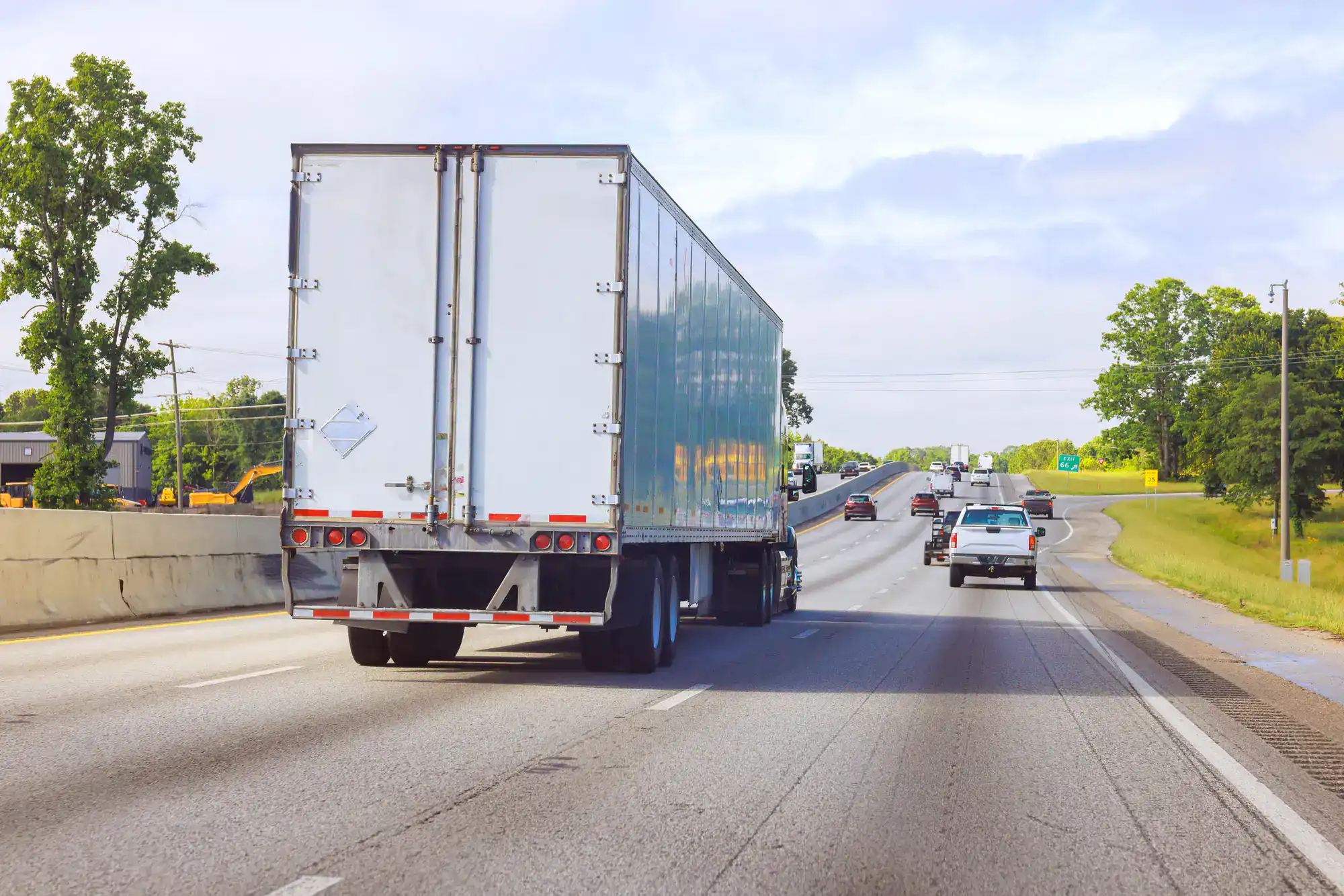
If your truck is model year 2013 or newer and has a GVWR over 14,000 pounds, yes it’s subject to California’s Clean Truck Check program regardless of where in the state it’s based. Being based in Bell Gardens doesn’t change your obligation, and operating in Los Angeles County doesn’t give you any exemption. The requirement applies statewide under Senate Bill 210, which CARB began enforcing through the Clean Truck Check HD I/M program.
What does matter is your vehicle’s registration expiration date that’s what drives your compliance deadline. Testing must be completed by a CARB-credentialed tester using certified OBD equipment, and results must be submitted to CARB’s CTC-VIS database. If you’re running loads through the Commerce industrial corridor or using the I-710 to reach the ports, a lapsed compliance certificate can get you denied access before you even realize there’s an issue. Getting tested ahead of your deadline is always the better move.
A Notice to Submit to Testing commonly called an NST letter means CARB has flagged your vehicle, often through a roadside emissions monitoring device, and is requiring you to submit a passing compliance test. You have 30 calendar days from the date you receive the letter. That window is hard. There’s no informal grace period, and ignoring it doesn’t make it go away.
The first thing to do is call a CARB-credentialed tester and get on the schedule as quickly as possible. You want enough time to complete the test and, if needed, address any repair issues before your 30 days are up. For Bell Gardens and Gateway Cities operators whose trucks run the I-710 regularly, NST letters aren’t uncommon that corridor has active CARB monitoring. The sooner you respond, the more options you have. We can get you tested, submit results directly to CTC-VIS, and get your compliance certificate in hand so you can document your response to CARB.
As of 2025, most trucks subject to the Clean Truck Check program are required to test twice per year semi-annually. That’s already in effect. The schedule escalates further: by October 2027, the requirement moves to quarterly testing, meaning four tests per year for most covered vehicles.
For owner-operators in Bell Gardens managing a single truck, that’s a significant increase in compliance activity over the next few years. For small fleet managers overseeing multiple vehicles with different registration dates, staying on top of each truck’s individual compliance calendar becomes a real operational task. It helps to work with a tester who understands your vehicle list and can flag upcoming deadlines before they become problems. The cost of missing a test DMV holds, fines up to $10,000 per vehicle per day, denied port access is far higher than the cost of staying current.
They’re completely different programs. A standard smog check is for passenger vehicles and lighter-duty cars and trucks it’s the test most people are familiar with from renewing their personal vehicle registration. The CARB Clean Truck Check is a separate heavy-duty inspection and maintenance program that applies specifically to model year 2013 or newer trucks with a GVWR over 14,000 pounds. It uses OBD diagnostic equipment that’s certified specifically by CARB for heavy-duty testing not the same tools used in a passenger car smog station.
The results also go into a different system. Clean Truck Check results are submitted to CARB’s CTC-VIS database by the credentialed tester, not to the standard DMV smog system. A regular smog shop cannot perform this test unless their testers hold a CARB HD I/M Tester credential and use approved equipment. If you’ve been told a standard smog check satisfies your Clean Truck Check requirement, that’s incorrect and a test performed without proper credentials won’t count toward your compliance record.
Yes, a truck can fail the OBD scan if its onboard diagnostic system detects active emissions-related fault codes or if required emissions monitors haven’t completed their readiness cycles. A failure doesn’t mean the truck is immediately impounded or that you face fines on the spot but it does mean you’re not compliant, and your compliance record in CTC-VIS will reflect that.
After a failure, the typical path is to have the underlying issue diagnosed and repaired, then return for a retest once the fault codes have been cleared and the monitors have run. The key is timing if you’re close to a compliance deadline or working against a 30-day NST window, you want to know about a potential failure as early as possible. That’s one reason testing ahead of your deadline, rather than at the last minute, is always the smarter approach. It gives you a real window to handle repairs without losing loads or triggering a DMV hold in the process.
There are two separate costs involved, and it’s worth being clear about both upfront. The first is the annual CARB compliance fee $31.18 per vehicle in 2025 which is paid directly to the state through the CTC-VIS system. That fee is separate from whatever a credentialed tester charges for performing the actual OBD scan and submitting your results. The two are not bundled together, and any tester who isn’t transparent about that distinction up front is worth questioning.
The testing service fee itself varies by provider, but in the Bell Gardens and Los Angeles County market, rates generally run in the $95 to $150 range per test. For owner-operators in Bell Gardens running on tight margins especially those managing a single truck and depending on it for their full household income knowing exactly what you’re paying and what it covers before you book is reasonable to expect. We quote the test fee upfront, and it includes the CARB-certified OBD scan and direct electronic submission to CTC-VIS. No hidden steps, no surprise add-ons. What you’re quoted is what the service covers.
Useful Links
Other Services we provide in Bell Gardens