Not sure if your truck meets California emissions standards? Find out what carb compliance means, who needs testing, and how to avoid costly fines and registration holds.
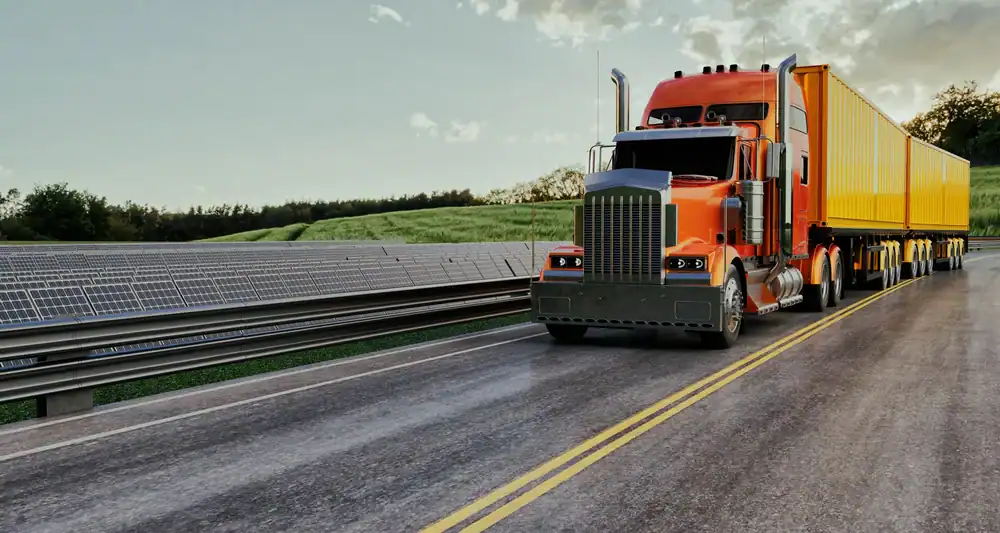
California’s carb compliance requirements affect nearly every diesel truck over 14,000 lbs operating in the state. If you own a 2013 or newer diesel truck, you need to understand ECU digital download testing, weight requirements, and testing deadlines to avoid fines and DMV registration blocks.
This guide walks you through checking your compliance status, common mistakes truck owners make, and how mobile testing in Los Angeles County, CA and Riverside County, CA can keep your truck on the road without the hassle.
You’re running loads through California, making your living, keeping things moving. Then you hear about carb compliance, Clean Truck Check, emissions testing—and suddenly you’re wondering if your truck is legal to operate or if you’re one inspection away from a registration hold or a California truck emissions fine that could hit $10,000. If you’re not 100% certain your truck is carb compliant, you’re not alone. Thousands of truck owners across Los Angeles County, CA and Riverside County, CA are navigating these same questions right now. The good news? Checking your compliance status and getting tested doesn’t have to be complicated. Let’s break down exactly what you need to know.
carb stands for the California Air Resources Board—the agency that sets and enforces emissions standards for vehicles operating in California. When you ask “is my truck carb compliant,” you’re really asking whether your truck meets California’s strict emissions requirements and whether you can legally operate on California roads without facing penalties.
For diesel trucks, carb compliance means two things. Your truck’s engine must meet specific emissions standards based on its model year. And you must be registered in California’s Clean Truck Check system and pass required emissions testing on schedule. If you’re operating a diesel truck over 14,000 pounds anywhere in California—including Los Angeles County, CA or Riverside County, CA—compliance isn’t optional. It’s mandatory, whether your truck is registered in California or out of state.
The Clean Truck Check program applies to nearly all diesel and alternative fuel heavy-duty vehicles with a gross vehicle weight rating over 14,000 pounds that operate on California public roads. This includes commercial trucks, buses, motorhomes, hybrid vehicles, and vehicles registered outside California. No exceptions for out-of-state plates.
Here’s what matters: if you have a 2013 or newer diesel engine, your truck requires on-board diagnostic testing—the ECU digital download test. This test scans your engine’s OBD data using carb-certified equipment. Trucks with 2012 and older diesel engines need a smoke opacity test and visual inspection instead. The testing requirements depend entirely on your engine model year, not your vehicle model year. Check the emissions control label on your actual engine to be certain.
Starting January 1, 2025, all compliance deadlines require submission of a passing emissions test. Most vehicles need testing twice per year. That increases to four times per year beginning October 2027 for OBD-equipped trucks. California-registered vehicles follow testing deadlines based on DMV registration expiration dates. Out-of-state vehicles follow a schedule based on the last digit of the VIN. You can submit a passing test up to 90 days before your deadline, which gives you time to make repairs if needed.
The consequences? They’re real. The California DMV automatically places registration holds on non-compliant vehicles. You can’t renew your registration until you’ve met all requirements. Beyond that, you could face California truck emissions fines starting at $1,000 per violation and climbing as high as $10,000 per instance. carb also uses roadside emissions monitoring devices that flag high-emitting vehicles. If you receive a Notice to Submit to Testing, you have just 30 days to submit a passing test or face enforcement action.
Checking your truck’s compliance status starts with understanding whether you’re even in the system. California requires truck owners to register their vehicles in the Clean Truck Check Vehicle Inspection System, known as CTC-VIS. If you haven’t created an account and added your truck to this database, you’re not compliant—even if your truck is mechanically sound and meets emissions standards.
Log into the CTC-VIS portal at cleantruckcheck.arb.ca.gov and look up your vehicle by VIN. Your account shows your compliance status, upcoming test deadlines, and whether you’ve paid the annual compliance fee. That fee is currently around $32 per vehicle per year, and it’s due before your compliance deadline. If you see a registration hold or a notice that testing is required, act immediately.
You can also check by looking at your DMV registration renewal notice. If there’s a “carb Non-Compliant Vehicle Warning” on that notice, your truck has a compliance issue that needs to be resolved before you can renew. Don’t ignore it. The DMV won’t process your renewal until carb confirms your truck is compliant.
One common mistake? Assuming your truck is compliant because it passed a PSIP test or because it’s a newer model. The Clean Truck Check program is separate and more comprehensive. It includes OBD scans, telemetry-based emission detection, and direct reporting to carb. Even if your truck runs clean, if you’re not registered in CTC-VIS, haven’t paid your compliance fee, or haven’t submitted a passing test by your deadline, you’re out of compliance.
Another mistake is entering incorrect information during registration. A single typo in your VIN, missing engine family number, or incorrect model year can cause your test to fail or your compliance status to show as invalid even though your truck is functioning properly. Double-check every detail when you register.
Here’s a quick eligibility checklist: Does your truck weigh over 14,000 lbs GVWR? Is it diesel or alternative fuel? Does it operate on California roads? If you answered yes to all three, you’re subject to Clean Truck Check. The only exemptions are zero-emission vehicles, certain historical vehicles, military vehicles, and a few other narrow categories. If your truck has a tailpipe and weighs over 14,000 lbs, assume you need to comply.
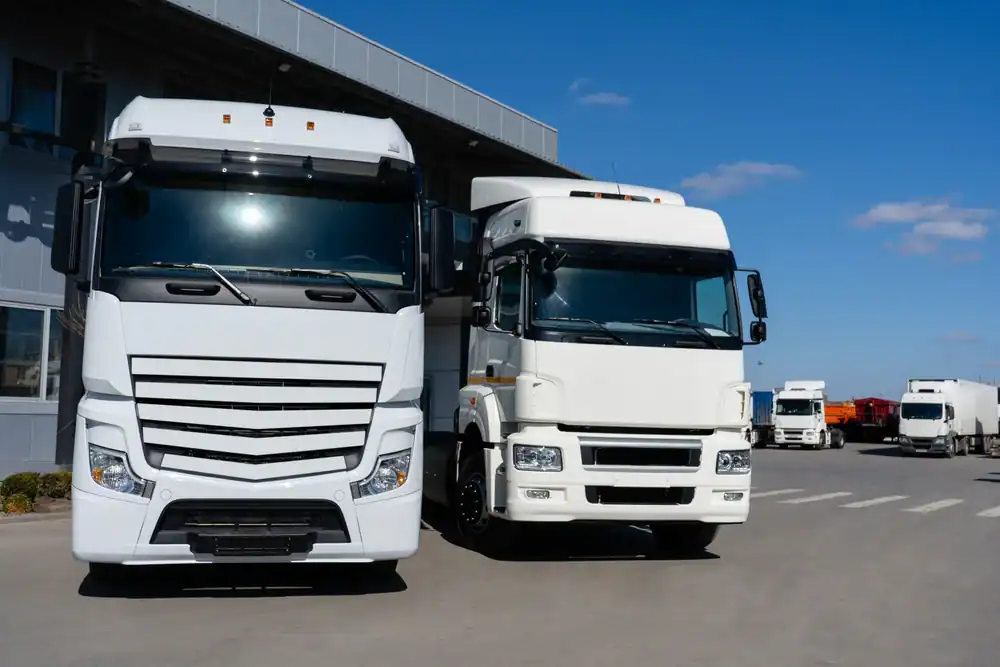
If your diesel truck has a 2013 or newer engine, you’re required to undergo OBD testing through an ECU digital download. This isn’t a traditional smog check. A carb-credentialed tester uses certified equipment to connect to your truck’s onboard diagnostic system and pulls emissions data directly from the engine control unit.
The test is relatively fast—often completed in under 30 minutes for trucks with properly functioning OBD systems. The tester scans for diagnostic trouble codes, checks that emissions control systems are working, and verifies that your truck’s OBD software matches the original equipment manufacturer specifications. Once complete, results are transmitted electronically to carb and show up in your CTC-VIS account. Pass, and you’re compliant for the next testing period. Fail, and you’ll need to make repairs and retest before your deadline.
The biggest mistake? Waiting until the last minute. Your compliance deadline isn’t a suggestion—it’s the date by which carb must have a passing test on file. If you wait until a few days before your deadline and your truck fails, you won’t have time to make repairs and retest. That puts you at risk of a registration hold, California truck emissions fines, and potential enforcement action. Test 60 to 90 days before your deadline so you have a buffer.
Another common error is trying to get tested without first registering in CTC-VIS and paying your annual compliance fee. Testing without proper registration means your results won’t count. The test data has nowhere to go, and carb won’t recognize it as valid. You’ll have wasted time and money, and you’ll still be non-compliant. Always register your truck, pay the fee, and confirm your account is active before scheduling a test.
Some truck owners also assume that because their truck is new or well-maintained, they don’t need to test. Wrong. Compliance testing is mandatory regardless of your truck’s condition. Even a brand-new 2024 truck with zero issues still needs to be registered, have the fee paid, and undergo testing according to the schedule. There’s no exemption for “clean” trucks unless they’re zero-emission vehicles.
Confusion about engine model year versus vehicle model year trips people up too. Most trucks have an engine that’s one model year older than the vehicle itself. You need to check the emissions control label on your engine to determine which test you need. If you assume your 2013 truck has a 2013 engine and schedule an OBD test, but it actually has a 2012 engine, you’ll be taking the wrong test. That creates delays and compliance headaches.
Finally, some truck owners think they can avoid compliance by staying out of California. Not true. If your truck operates in California—even occasionally—you’re subject to Clean Truck Check. carb conducts roadside inspections at border crossings, weigh stations, and near ports. They also deploy remote emissions monitoring devices that scan trucks as they drive by. If you’re flagged, you’ll receive a Notice to Submit to Testing, and you’ll have 30 days to comply. Ignoring it leads to fines, registration blocks, and potential impoundment.
Mobile testing solves one of the biggest pain points for truck owners: downtime. Instead of driving your truck to a testing facility, waiting in line, and losing hours of productive work, a mobile carb testing service comes directly to your truck’s location. Whether you’re at a yard, a job site, or your home base in Los Angeles County, CA or Riverside County, CA, we bring certified OBD equipment to you.
For 2013 and newer diesel trucks, the OBD test is fast and straightforward when done on-site. We connect to your truck’s diagnostic port, run the ECU scan, and transmit the results to carb in real time. You get a copy of your compliance certificate for your records, and your CTC-VIS account updates automatically. If there’s an issue, we can often identify it on the spot and give you guidance on what needs to be repaired before retesting.
Mobile testing also eliminates the risk of taking your truck out of service unnecessarily. If you drive to a facility and your truck fails, you’re stuck figuring out how to get it repaired and back for a retest. With mobile testing, you address the issue at your location and schedule a follow-up test without moving the truck. That keeps your operation running and reduces the stress of compliance.
Another advantage is flexibility. We often offer scheduling outside of traditional business hours, which means you can get tested early in the morning, late in the evening, or on weekends—whenever it works for your schedule. That’s a huge benefit for owner-operators and small fleets who can’t afford to lose a full day to compliance testing.
The process is simple. You register your truck in CTC-VIS, pay your annual compliance fee, and schedule a mobile test within 90 days of your deadline. We show up, perform the OBD scan, and submit the results. If you pass, you’re done. If you don’t, you work with your mechanic to fix the issue and schedule a retest. Either way, you’re not wasting time sitting at a testing station or dealing with bureaucratic runaround.
Mobile testing is especially valuable for trucks that operate primarily outside California but pass through occasionally. If you’re based in Nevada, Arizona, or another state but haul loads into California, you’re still subject to Clean Truck Check. Mobile testing lets you get compliant without making a special trip to a California testing facility. You can schedule a test when you’re already in state, or if you’re near the border, you can often find a mobile tester who serves your area.