
CARB Compliant Services Los Angeles & Riverside County, CA
Your Trucks Stay Road-Legal Without the Runaround
California CARB compliant testing for 2013 or newer semi trucks over 14,000 lbs GVWR. Clean Truck Check emissions testing that keeps your DMV registration clear and your fleet operating in Los Angeles & Riverside County, CA.
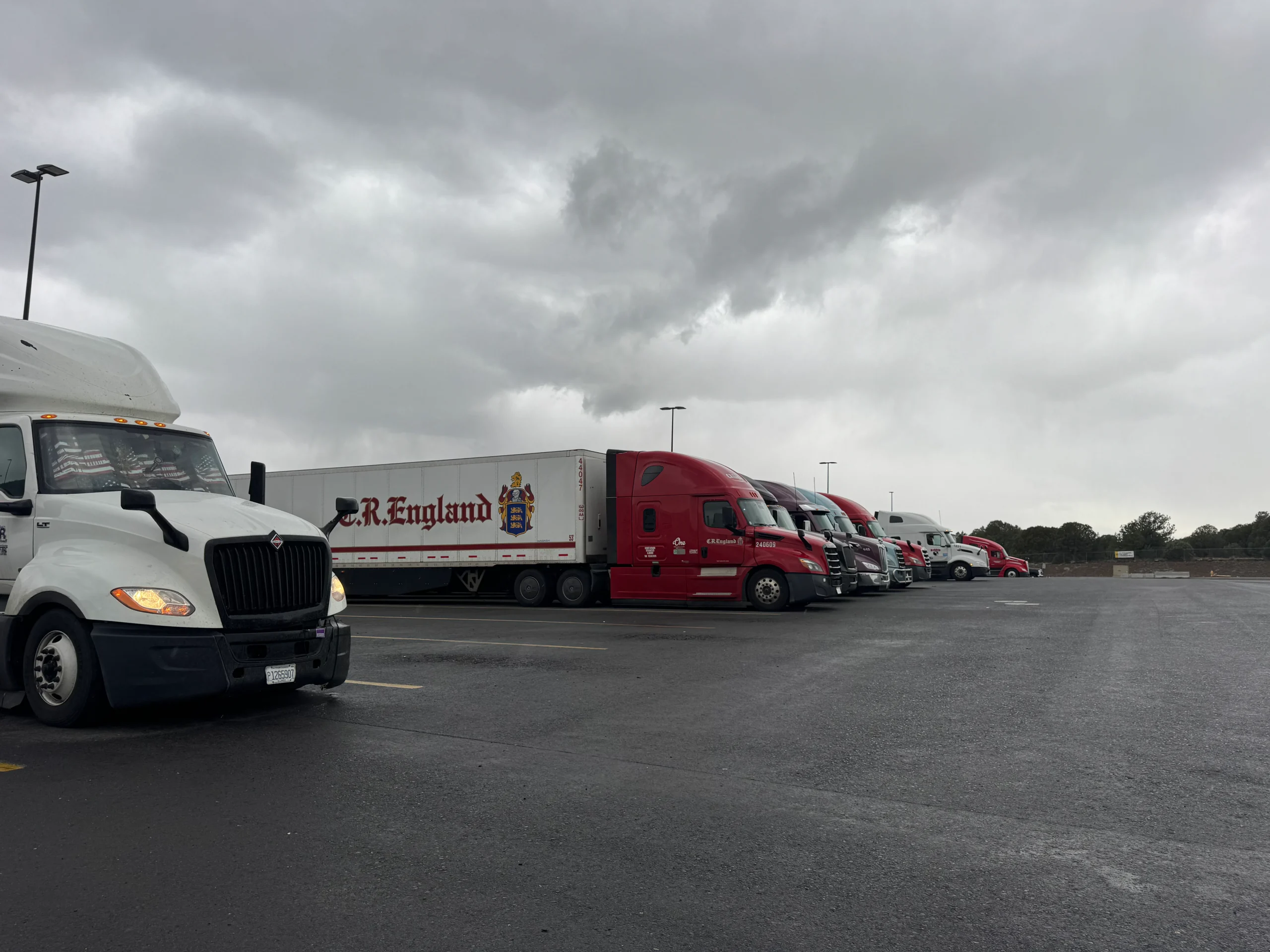
CARB Credentialed Testing Only
Certified by California Air Resources Board to perform Clean Truck Check OBD testing with valid credentials and CARB-approved diagnostic equipment for proper CTC-VIS submission and state verification.
2013+ Truck Specialization
Focused exclusively on OBD-equipped heavy-duty vehicles model year 2013 or newer with GVWR over 14,000 pounds that require CARB-certified diagnostic scanning under Clean Truck Check regulations.
Direct CTC-VIS Submission
Test results submitted directly to the state Clean Truck Check database on your behalf, ensuring compliance records are properly filed with CARB for immediate DMV verification and registration clearance.
CARB Diesel Compliance Semi Truck Testing
What You Actually Need to Stay Compliant
California doesn’t make this simple, but the requirements are clear once you know what applies to your trucks. For 2013 and newer diesel engines over 14,000 pounds, you need an OBD scan using a CARB-certified testing device. That scan gets submitted to the state’s Clean Truck Check system, and if it passes, you’re good for six months. Starting in October 2027, that frequency increases to four times a year for OBD-equipped vehicles.
FAQ
Do I need to bring my truck to you?
No. We come to you. We don’t have a shop or station for customers to visit — every Clean Truck Check we perform is at your fleet’s location, anywhere in Los Angeles or Riverside County. Your trucks stay on-site, your drivers stay on-route.
Where do you perform Clean Truck Check testing?
At your location. Our certified CARB tester travels to your yard, lot, or job site with the OBD testing equipment in a service vehicle. We serve fleets across Los Angeles County (San Gabriel Valley, South Bay, LA, Bellflower / Lakewood area) and Riverside County (Moreno Valley, Hemet area, French Valley / Temecula area, Coachella Valley).
Can you test multiple trucks at one location?
Yes — that’s the entire reason we do this on-site. We schedule fleet visits for 5, 10, 20, or more trucks at one yard. One tester, one location, one block of time. We test every qualifying truck and upload all certificates to CARB before we leave.
What vehicles need Clean Truck Check testing?
California’s Clean Truck Check (HD I/M) program applies to diesel and alt-fuel trucks with a gross vehicle weight rating (GVWR) of 14,000 lbs or more operating in California, including out-of-state trucks. Most semi-trucks, dump trucks, box trucks, and heavy commercial vehicles qualify. Passenger cars and light-duty trucks do not — they use the standard smog check.
Check Out Our Reviews!
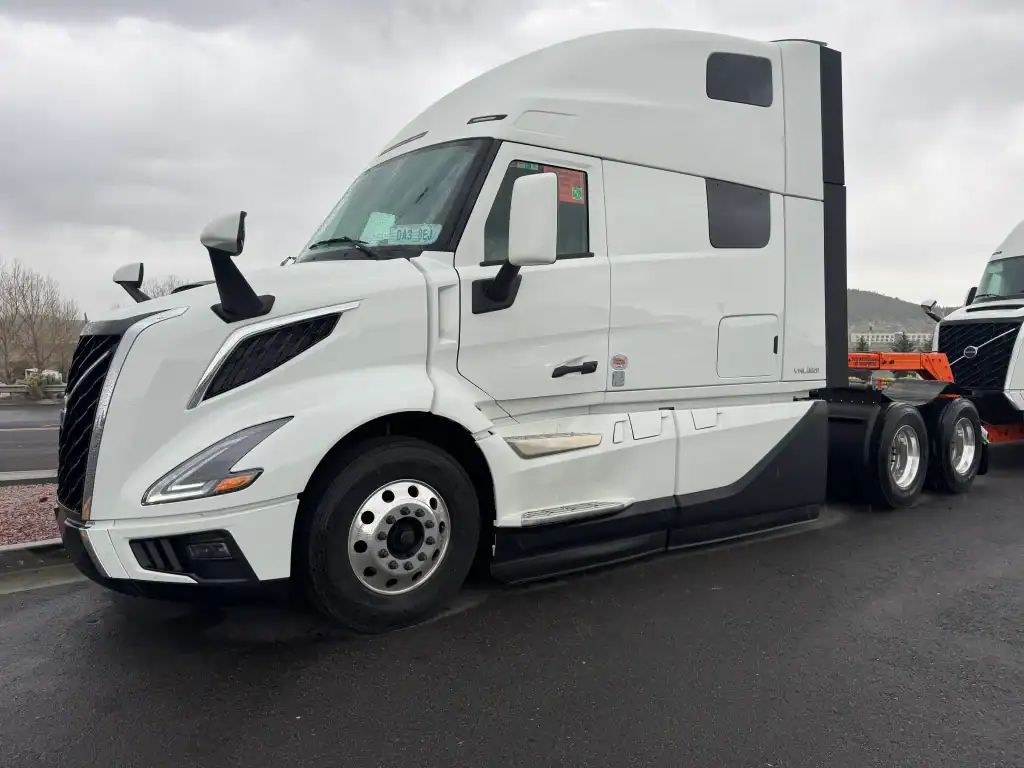
CARB Clean Truck Check Deadline Calculator
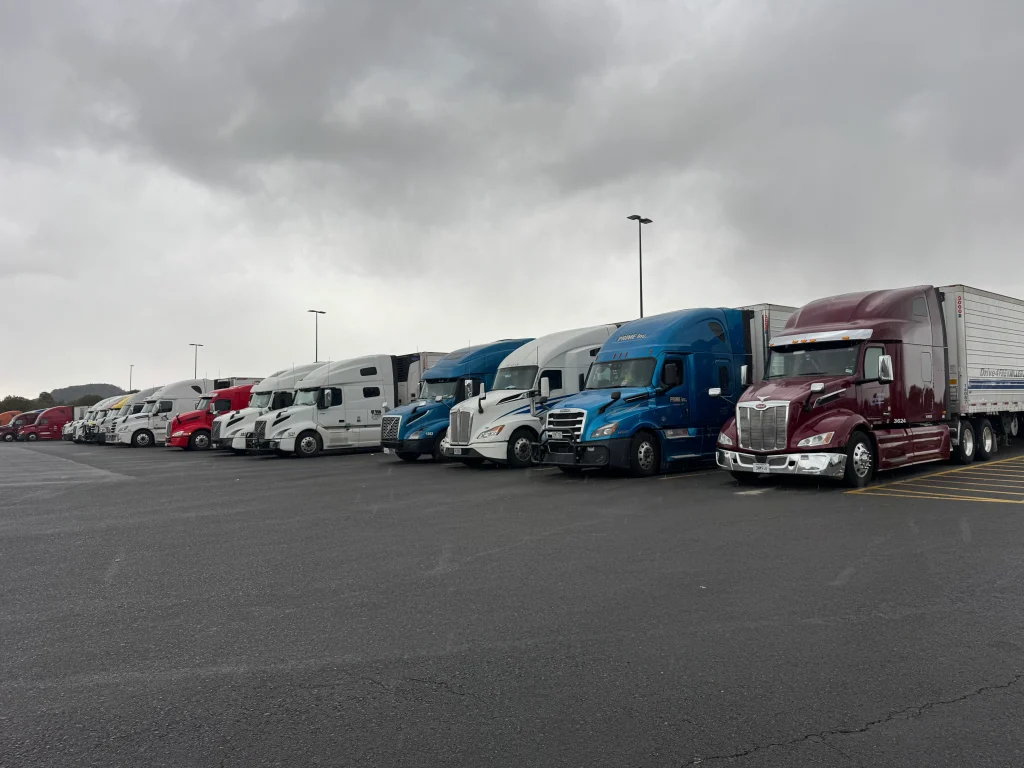
Clean Truck Check
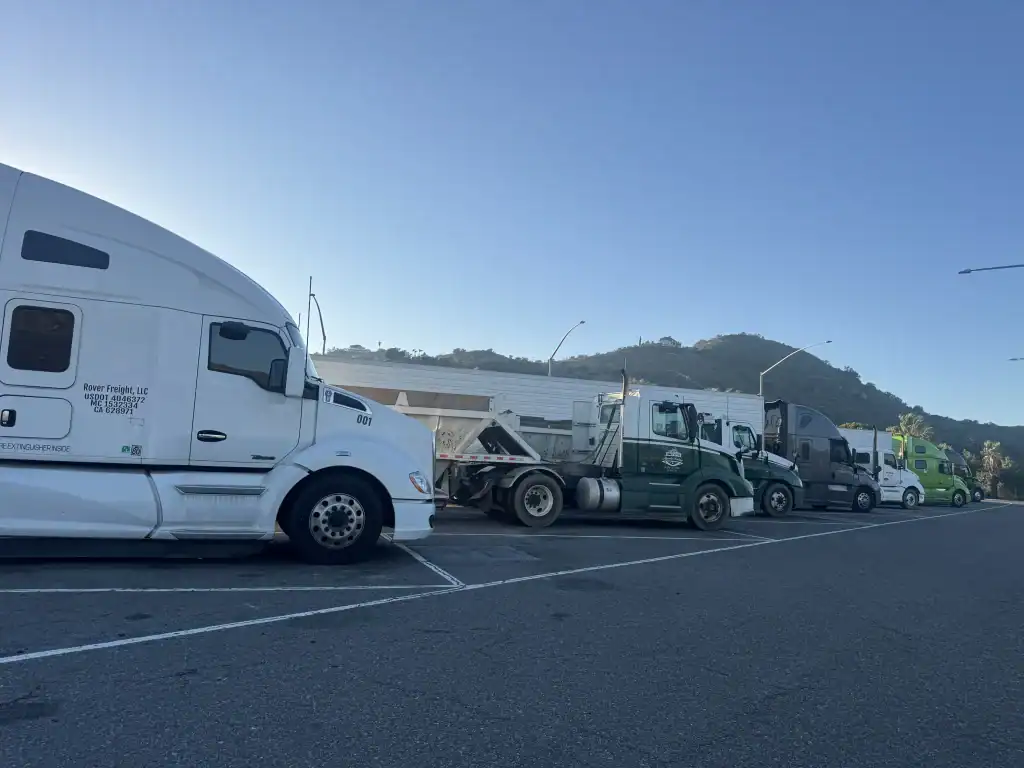
CARB Compliance
Know Your Deadline
Understanding CARB Testing Requirements
Your compliance deadline depends on where your truck is registered. California-plated trucks follow the DMV registration expiration date. Out-of-state trucks follow a schedule based on the last digit of the VIN. Either way, you can submit a passing test up to 90 days before the deadline, which gives you a buffer if repairs are needed.
CARB credentials matter here. Not every shop can perform Clean Truck Check testing. The tester has to be credentialed by the California Air Resources Board and use approved equipment. That’s what ensures your test results actually get accepted when they’re submitted to CTC-VIS. Without that, you’re just burning time and money on a test that doesn’t count.
The program exists because heavy-duty trucks produce over half the state’s nitrogen oxide and diesel particulate pollution despite making up only three percent of vehicles on the road. CARB’s enforcement is real. Roadside emissions monitoring devices flag high emitters. Automated license plate readers track compliance status. If you get a Notice to Submit to Testing, you have 30 days to provide passing results or face violations.
Avoid Registration Holds
How CARB Compliance Inspections Work
Registration holds are automatic for non-compliant vehicles. The DMV doesn’t send a warning. Your renewal just gets blocked until compliance is restored. For trucks that generate revenue every day they’re on the road, that’s not a minor inconvenience. It’s a business problem.
Here’s what the actual CARB compliance inspection process looks like. We connect a CARB-certified OBD scanner to your truck’s diagnostic port and pull emissions data from the engine’s computer system. That data gets analyzed for fault codes, monitor readiness, and emissions control system performance. If everything checks out, the passing results get uploaded to the CTC-VIS portal where CARB and the DMV can verify your compliance status. You get documentation proving your truck passed, which you’ll need if you’re stopped at a weigh station or entering a port facility.